
Why UV Printing Acrylic Keychains Became a Practical Choice for Short-Run Merch
UV Printing Acrylic Keychains have moved from a niche promo item into a serious production option for brands, schools, artists, and contract decorators. The reason is simple: buyers want small, sharp, durable accessories without committing to large offsets, plated tooling, or long setup cycles. A flat acrylic keychain looks easy from the outside, but the print method behind it affects color, edge definition, scratch resistance, and how consistently the finished piece matches the approved artwork.
For sourcing managers and product teams, the real question is not whether acrylic keychains are popular. It is whether the decoration method can hold fine detail, survive handling, and stay economical across changing SKUs. That is where UV printing has become useful. It supports direct, full-color graphics on rigid surfaces and works well for short runs, seasonal drops, event merchandise, and personalized campaigns. When a buyer understands how the process behaves on acrylic, it becomes much easier to separate a dependable supplier from a shop that only looks competitive on price.
What UV Printing Changes on Acrylic
UV ink is cured by ultraviolet energy as it is laid onto the surface. On a flat acrylic blank, that means the image is fixed quickly rather than soaking into the material. The practical benefit is strong color placement and crisp graphic edges, especially for logos, gradients, QR codes, and small text. For keychains, that matters because the printable area is limited and the eye often sits very close to the product.
Acrylic itself is a rigid, smooth substrate, so surface preparation and machine control matter. A well-tuned Acrylic UV Printer can place ink cleanly without excessive pooling or visible banding. If the operator is careless, though, acrylic will also show defects clearly. Dust, static, and poor adhesion planning can all become visible once the piece is cut and assembled. That is one reason buyers should ask not only about print quality, but also about pre-press handling and post-print inspection.
How UV Printing Makes Acrylic Keychains Work as a Product
The phrase How UV Printing Makes Acrylic Keychains useful is really about production behavior, not marketing language. UV printing supports fast turnaround because it removes several slow steps that older decoration methods may require. The artwork goes straight to the sheet, the ink cures immediately, and the printed blanks can move on to cutting, drilling, or assembly with less waiting time.
That workflow fits custom accessory programs well. A buyer can order multiple designs in one production window, or replenish a design after a small reorder without retooling the entire line. It also supports variable data and small-batch personalization, which is increasingly common in fan merchandise and corporate giveaways.
Quick Reference: Where the Method Fits Best
UV printing is a strong fit when the keychain needs:
High visual detail
Thin lines, bright color blocks, and branded artwork usually benefit from direct digital printing.
Short to medium runs
If the quantity changes often, digital setup tends to be easier to manage than traditional decorated runs.
Flat or nearly flat acrylic parts
The process works best on smooth, rigid pieces with consistent placement.
Fast turnaround
Curing speed helps compress the production schedule, though the rest of the workflow still has to be disciplined.
What Buyers Should Ask Before They Place an Order
Not every shop handling acrylic keychains will run the same way. Buyers should ask how the printer handles white ink, whether the artwork is printed on the front or reverse side, and how the supplier controls registration after the sheet is cut. These details are easy to overlook and painful to fix after approval.
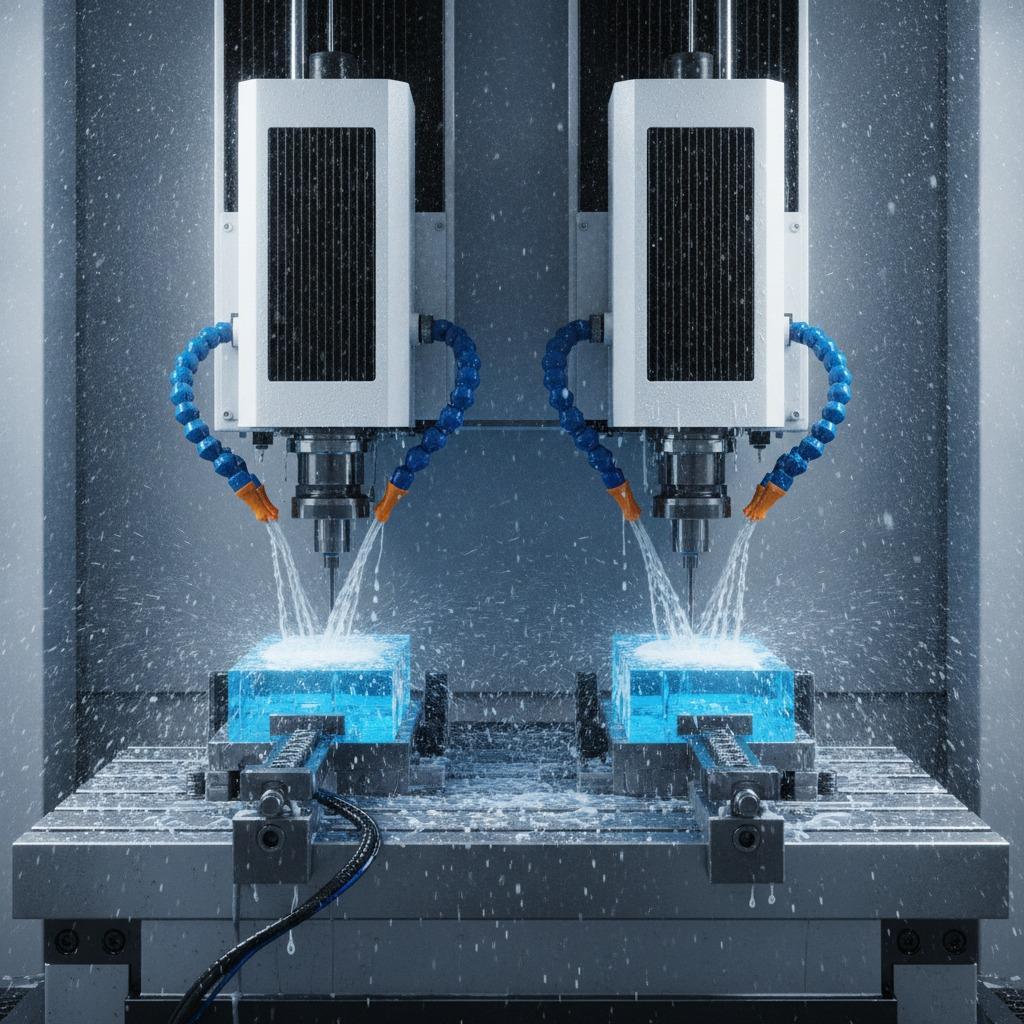
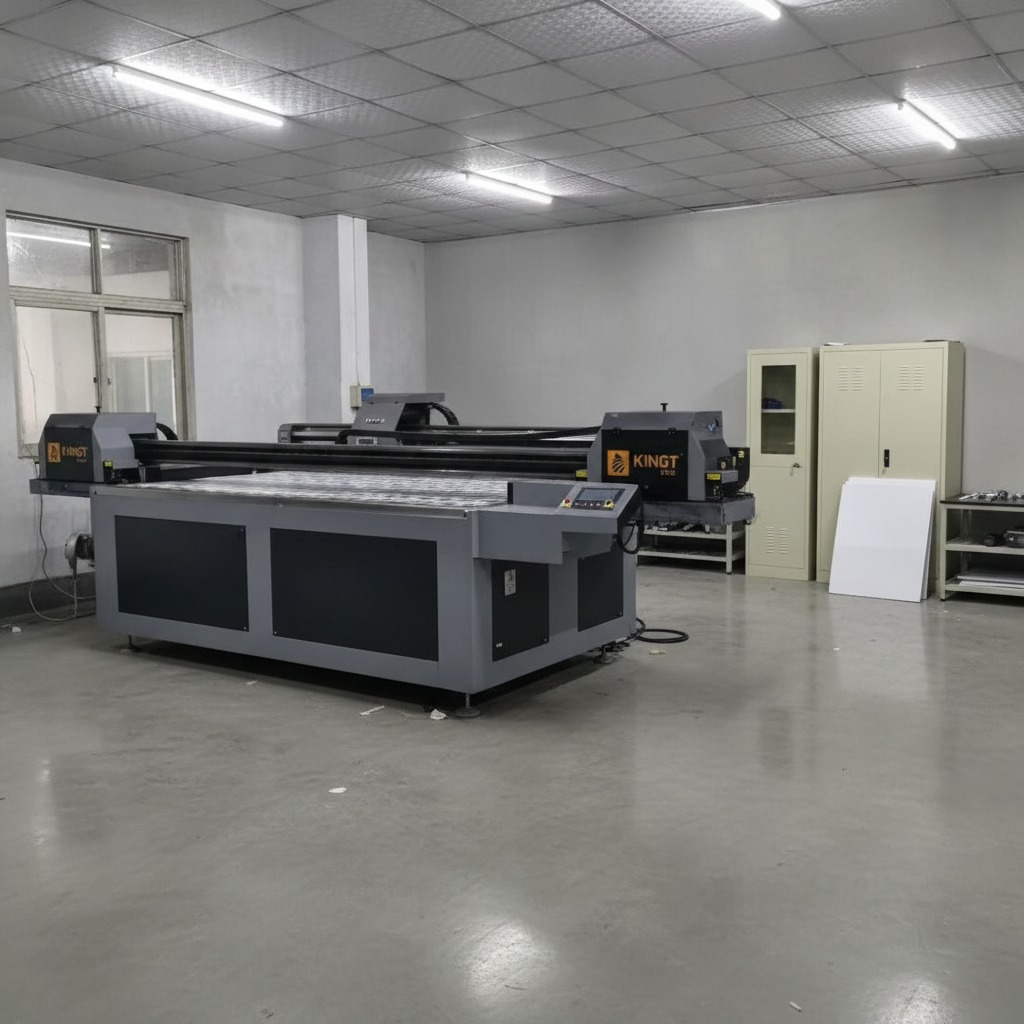
It is also worth asking what machine class is used. A large-format industrial flatbed printer, such as the kind typically used for rigid sheets and panels, is well suited to acrylic work because it can move a carriage across a flat bed and print on sheet materials with stable positioning. The exact configuration, print width, and curing method may vary, so suppliers should describe the system in practical terms rather than relying on vague claims.
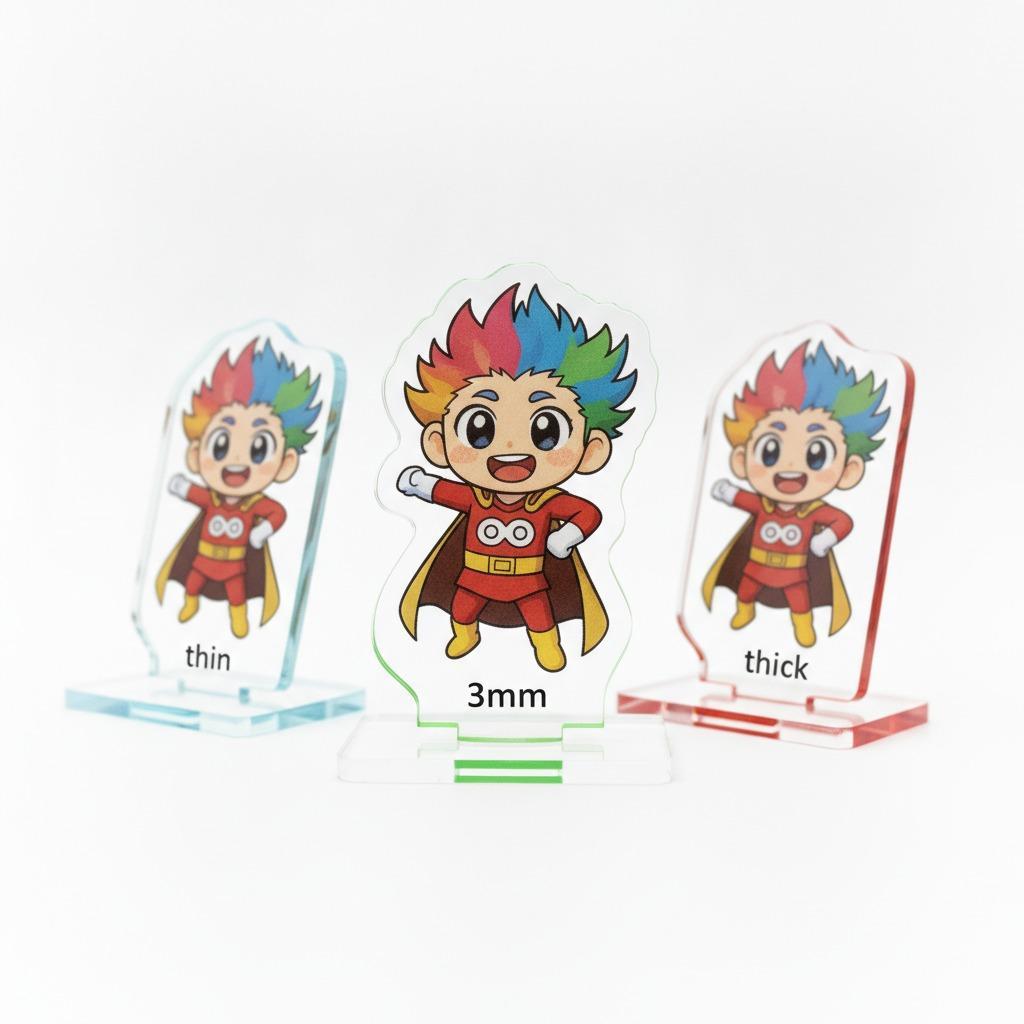
For buyers considering Acrylic Standee Printing alongside keychains, the same caution applies. Both products can look straightforward on a screen, but the production discipline behind them determines whether the final goods look premium or merely acceptable.
Common Mistakes in Acrylic Keychain Programs
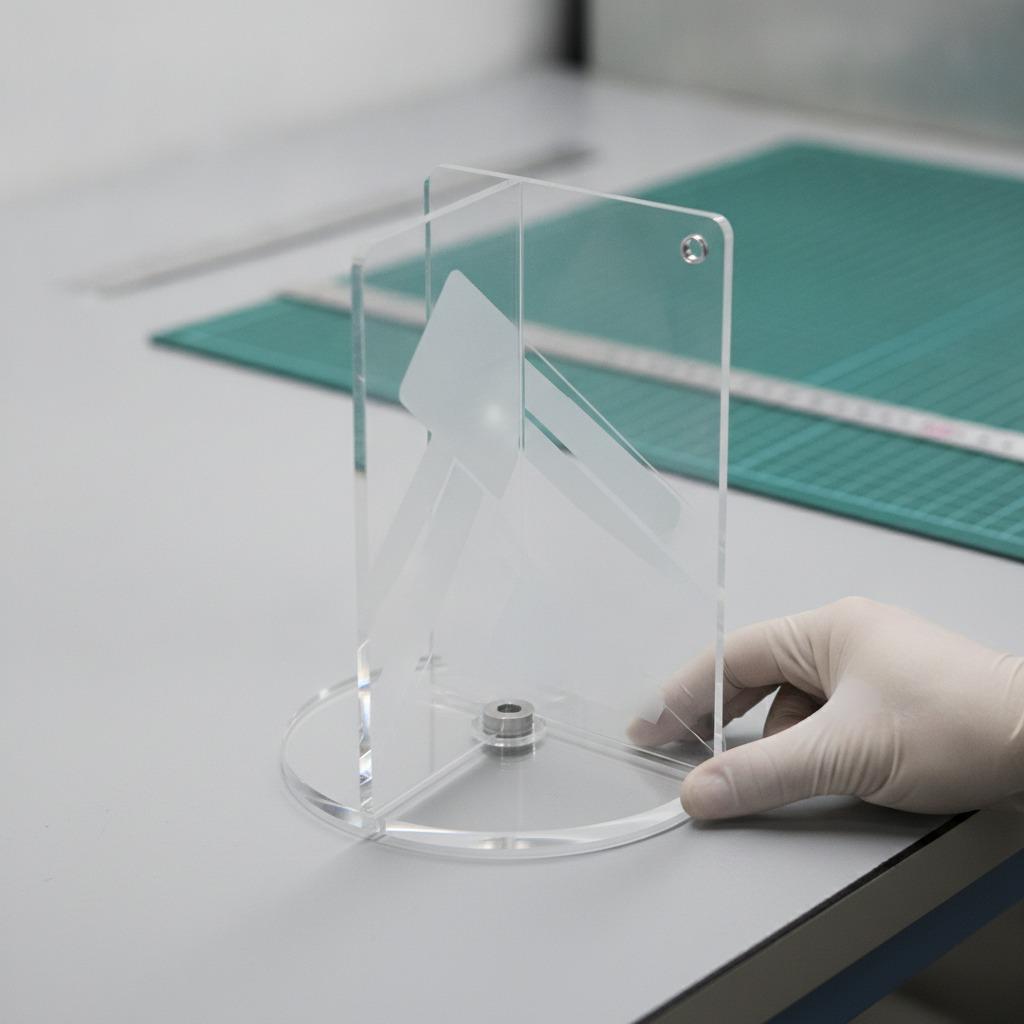
One common mistake is assuming all acrylic is print-ready. Surface condition matters. Another is approving artwork on screen without checking how small text behaves on a rigid, glossy substrate. Fine type can disappear once the piece is cut or attached to hardware.
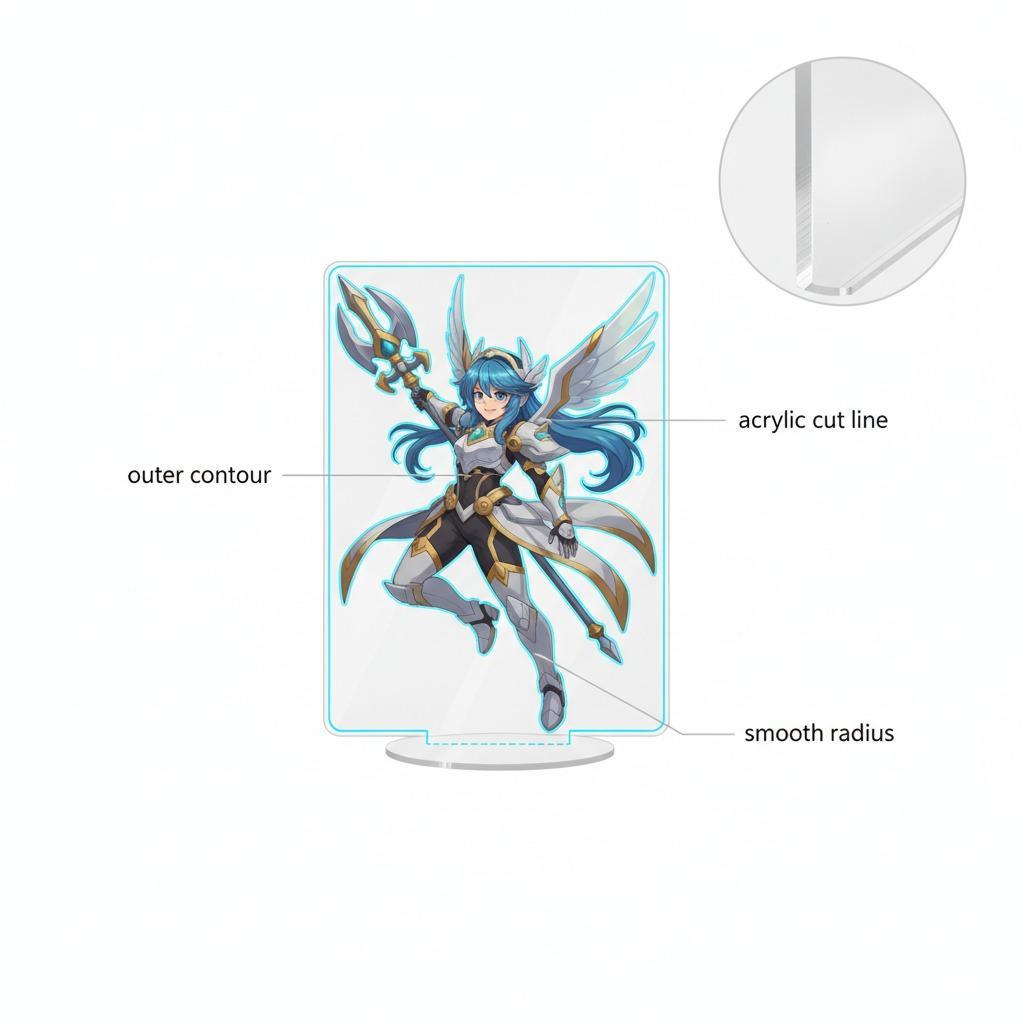
A second mistake is ignoring edge finish. Even a sharp print can look cheap if the cut edge is cloudy, scratched, or inconsistent from piece to piece. This is where print and finishing should be managed as one process, not two unrelated tasks.
Finally, buyers sometimes over-specify color without understanding the limitations of the substrate and cure process. Strong, repeatable color is realistic; perfect visual identity across every batch still depends on calibration, material consistency, and operator control.
Buyer Takeaway
If your program calls for custom acrylic accessories with clean graphics and frequent design changes, UV printing is often a sensible route. It is especially attractive for merch teams and industrial buyers who value flexibility more than heavy tooling. Just make sure the supplier can explain the full workflow, not only the decoration step.
Ask for samples, review edge quality, and check whether the shop treats printing, cutting, and assembly as connected operations. That is usually where the difference shows up.
Next Step
If you are sourcing UV Printing Acrylic Keychains for a new campaign or a repeat order, start with a sample that matches your real artwork and your intended finish. A proper sample will tell you more than a catalog ever will.