
Acrylic Standee Manufacturing: choosing between print-first and cut-first approaches
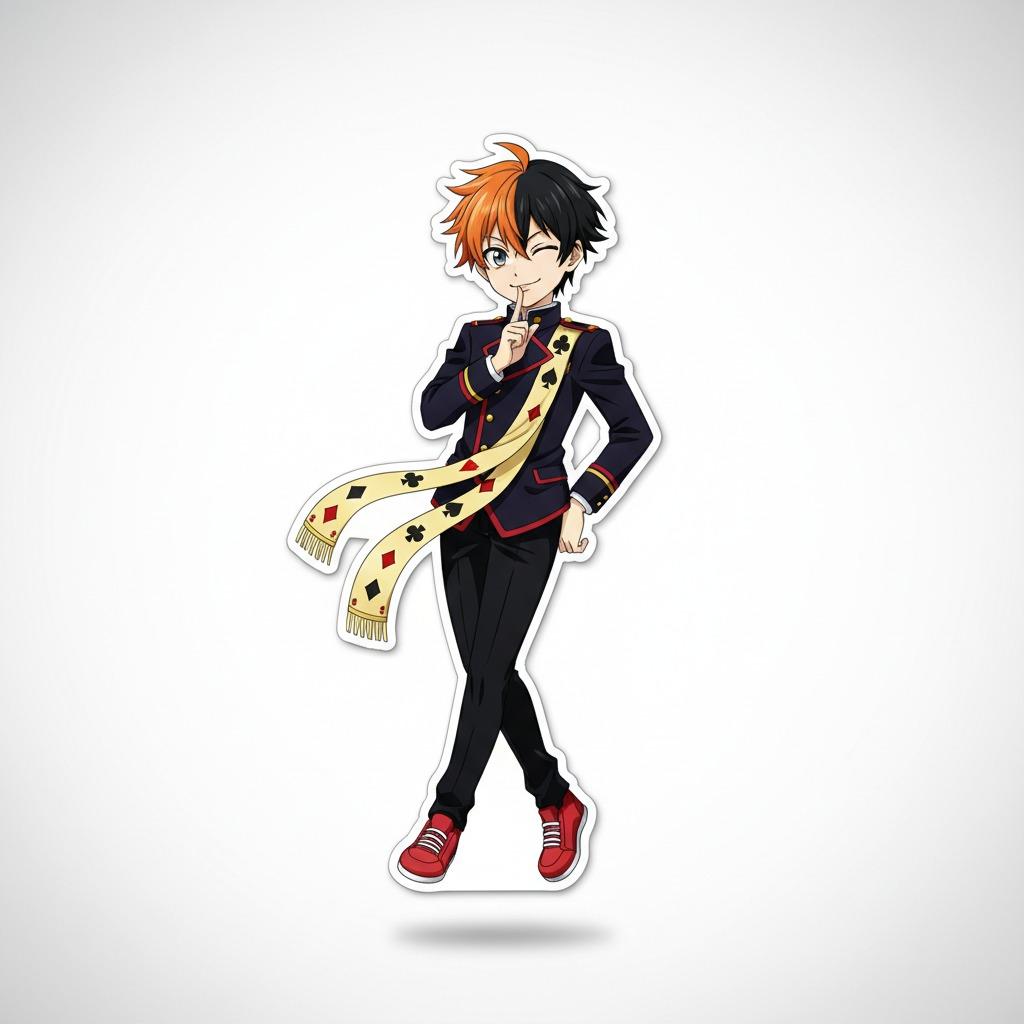
Acrylic standee manufacturing looks simple from the outside: a character image, a clear base, a clean edge, and a product that sits neatly on a desk or shelf. In practice, the choice is less about “making a display” and more about deciding how the artwork, the acrylic sheet, and the cut line should work together. For buyers sourcing anime merchandise, retail gifts, or event displays, that decision affects appearance, durability, and how many units can be produced without avoidable waste.
The real comparison is not just acrylic versus another material. It is print quality versus edge quality, visual effect versus production efficiency, and collector appeal versus practical cost control. That is where acrylic standees either look premium or end up looking flat and slightly off.
What the product is trying to do
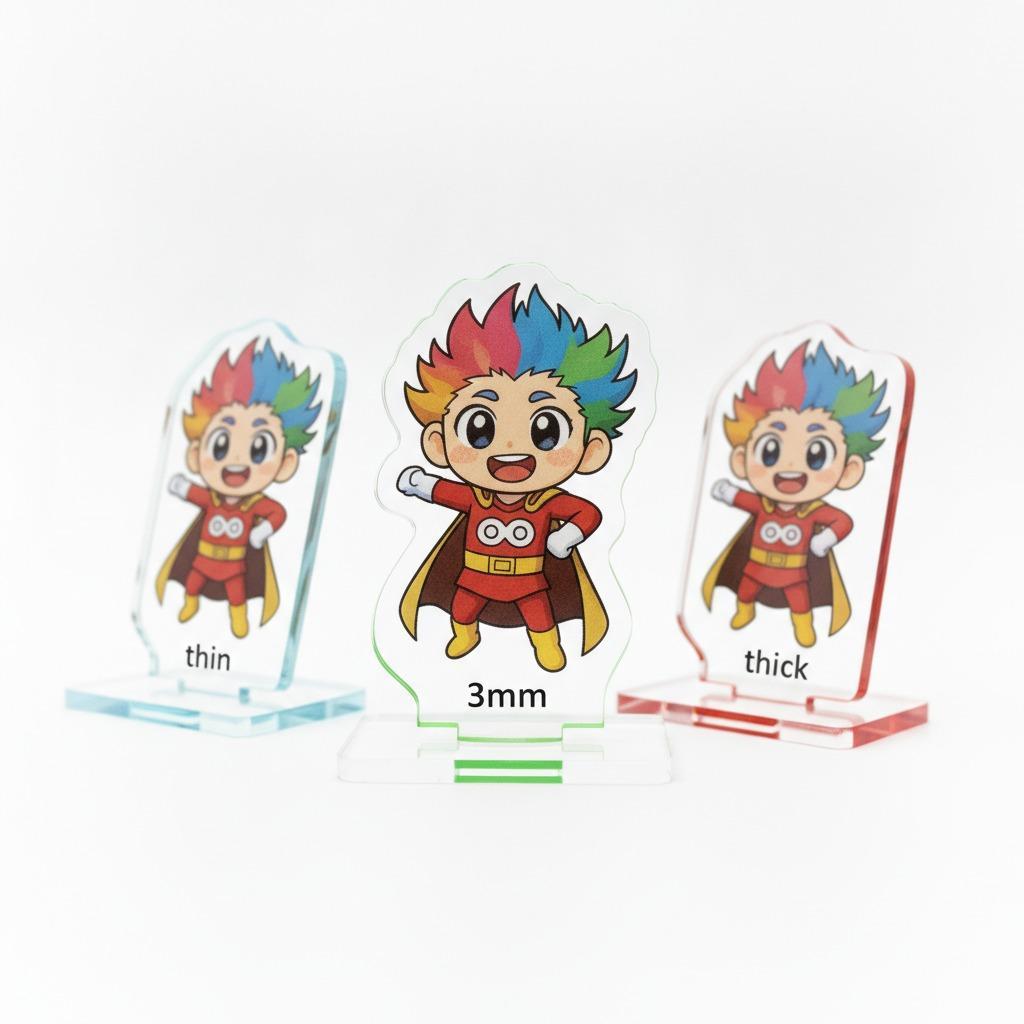
The visible product category here is a printed character acrylic stand, typically used as a desktop display or fan collectible. The item shown appears to use a clear acrylic or plastic sheet with full-color character art and a die-cut silhouette. The result is compact, glossy, and easy to place in a shelf, cabinet, or point-of-sale display.
For many buyers, the decision is not whether to use acrylic at all. It is whether the standee should prioritize image fidelity, crisp silhouette edges, or a more rigid presentation for retail use. Those three goals often pull in slightly different directions.
Print-first vs. cut-first: the practical tradeoff
In acrylic standee manufacturing, the artwork has to align with the final outline. A print-first workflow typically means the graphic is applied to the acrylic sheet before the final contour is cut. That can help keep the image matched to the silhouette, but it also demands tighter process control. If the print placement drifts, even slightly, the character’s edge can look misregistered.
A cut-first approach, by contrast, forms the shape earlier and then prints onto the finished piece. This can be useful for some production setups, though it may be less efficient if the print area needs to reach close to the edge. The downside is straightforward: once the piece is already shaped, handling becomes more delicate.
For most buyers, the better question is not which method sounds more advanced. It is which method gives the cleanest result for the artwork style being used.
Clear acrylic display versus printed board-style merchandise
Acrylic standees compete with paperboard figures, cardboard cutouts, and other tabletop displays. Each has a different visual language.
Acrylic standees
These rely on transparency, gloss, and clean edge definition. They usually feel more collectible and more durable in everyday handling. The clear background also helps the artwork stand out without adding a lot of visual clutter.
Board or paper-based displays
These are often lighter and cheaper to produce, but they can look more temporary. For some campaigns that is fine. For fan merchandise or premium shelf items, buyers often prefer acrylic because it reads as a more finished object.
Material and finish details that matter
The visible piece appears to use a transparent acrylic-like substrate with a smooth surface and glossy finish. That matters because surface clarity affects how the printed character art reads under indoor lighting. A cloudy sheet or rough edge can cheapen the look immediately.
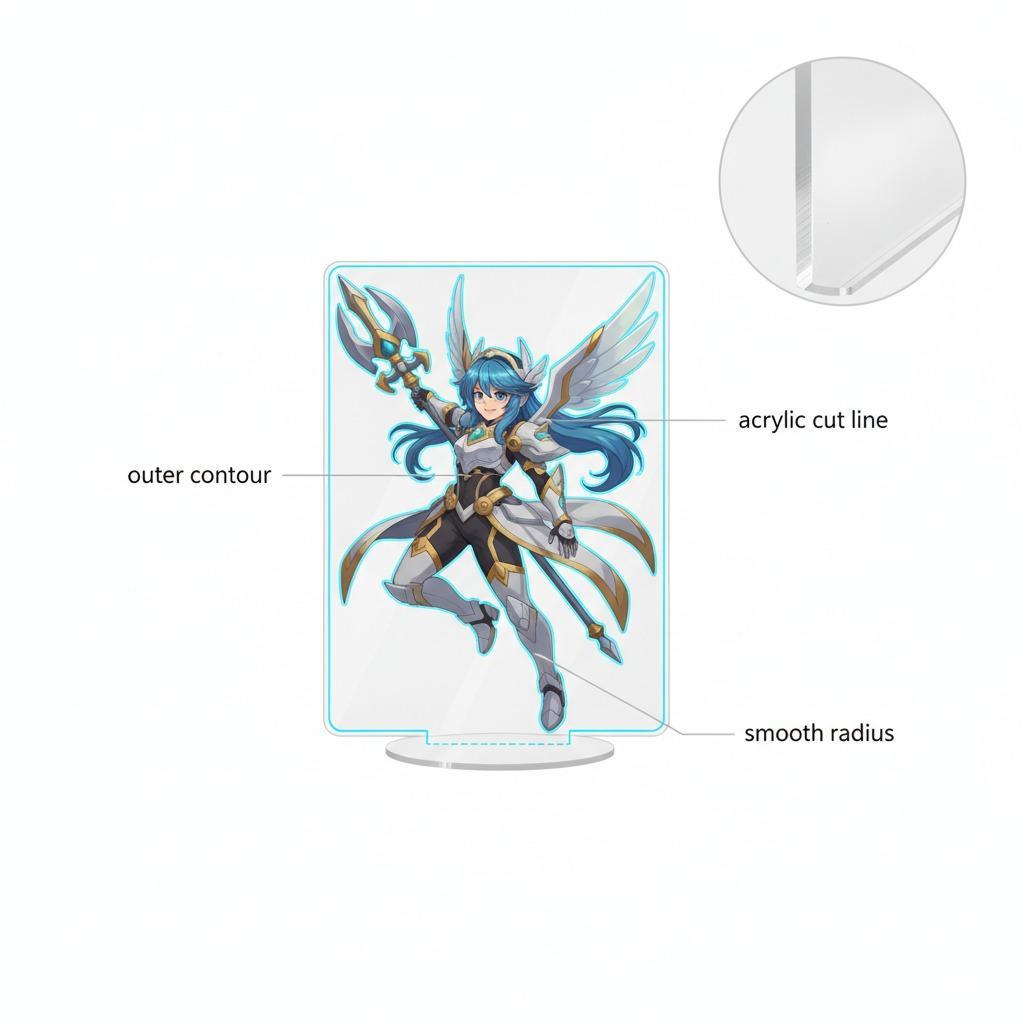
The silhouette cut is also important. A character standee depends on the contour to carry the design. If the die-cut line is too loose, the image loses precision. If it is too tight, especially around hair or costume details, the piece can become fragile or difficult to produce consistently.
One practical caution: buyers sometimes focus only on artwork resolution and forget the edge geometry. On a desk display, the outline is part of the design language.
Selection criteria for sourcing teams
When comparing acrylic standee manufacturing options, sourcing managers usually need to check four things first:
The clarity and color density of the print
The accuracy of the cut line around the character silhouette
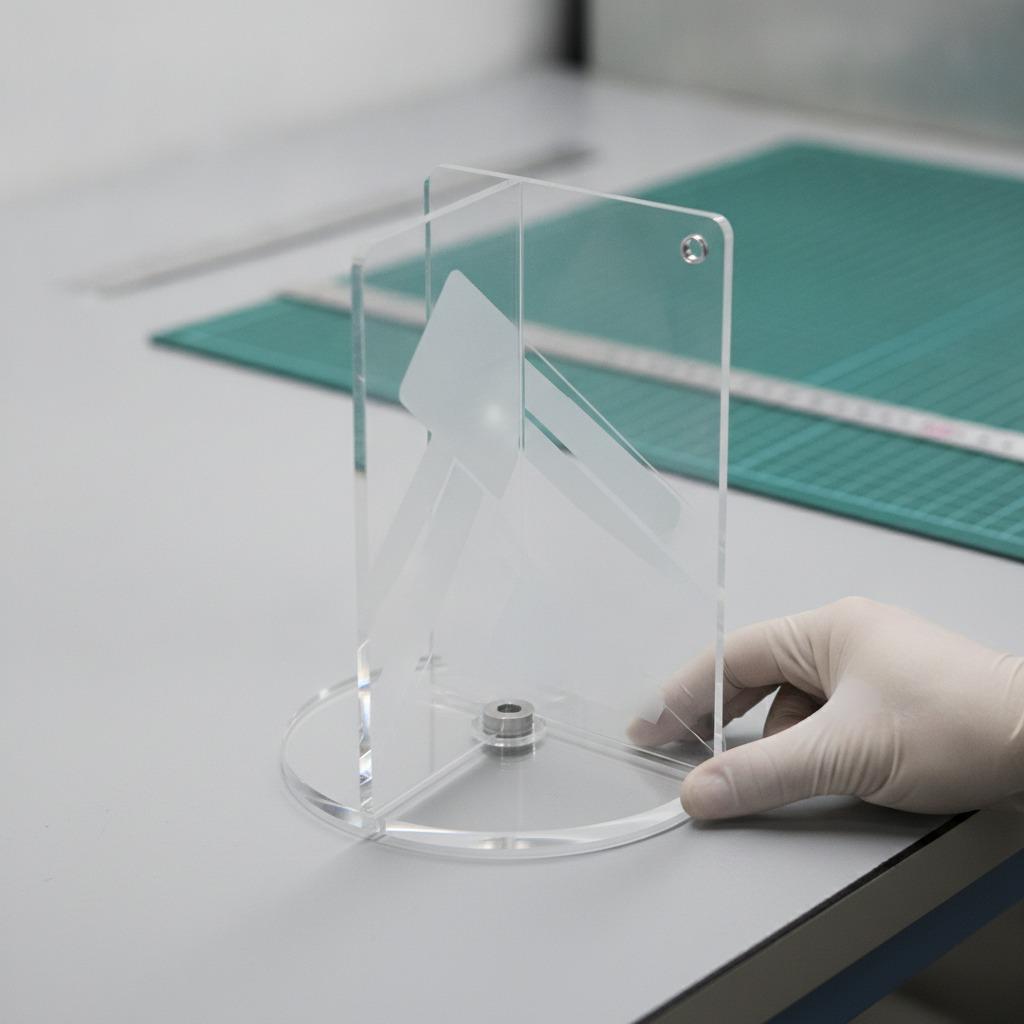
The stability of the freestanding structure, including whether the base is integrated or separate
The intended use case: retail shelf, event giveaway, photo prop, or collector merchandise
If the standee is meant for online shop photography or gift packaging, the visual finish matters more than absolute thickness. If it is meant for repeated handling at events, then structure and edge quality start to matter more than most people expect.
Common mistakes buyers make
The most common mistake is treating all acrylic merchandise as interchangeable. It is not. A full-body character standee with a clear background is a different production problem from a flat sign or an engraved plaque.
Another recurring issue is underestimating support design. The visible product suggests a freestanding format, but the support structure is not fully shown. Buyers should confirm how the piece stands, whether a separate base is included, and how secure the fit is. That small detail can turn into a packaging and assembly issue later.
A third mistake is assuming that more print coverage always looks better. Sometimes the transparent border is doing useful work by separating the figure from the background and keeping the piece visually light.
What this product format is best for
This type of acrylic standee works well for anime merchandise, desk décor, collector lines, and retail promotions where the character artwork itself is the main selling point. It is compact, easy to display, and more polished than many flat novelty items.
For sourcing decisions, the useful comparison is simple: if the goal is a memorable tabletop collectible with clean presentation, acrylic is usually the stronger choice. If the goal is lowest-cost mass giveaway, another material may be easier to justify. The right answer depends on whether the buyer is selling image, volume, or both.
Next step for buyers
Before placing an order, ask for samples or proof images that show the print edge, the cut contour, and the base fit together. Those three details tell you more about the real production quality than a product photo ever will. If the design is being developed for retail or fan merchandise, that check is worth the time.