
What buyers really want from a double layer acrylic charm
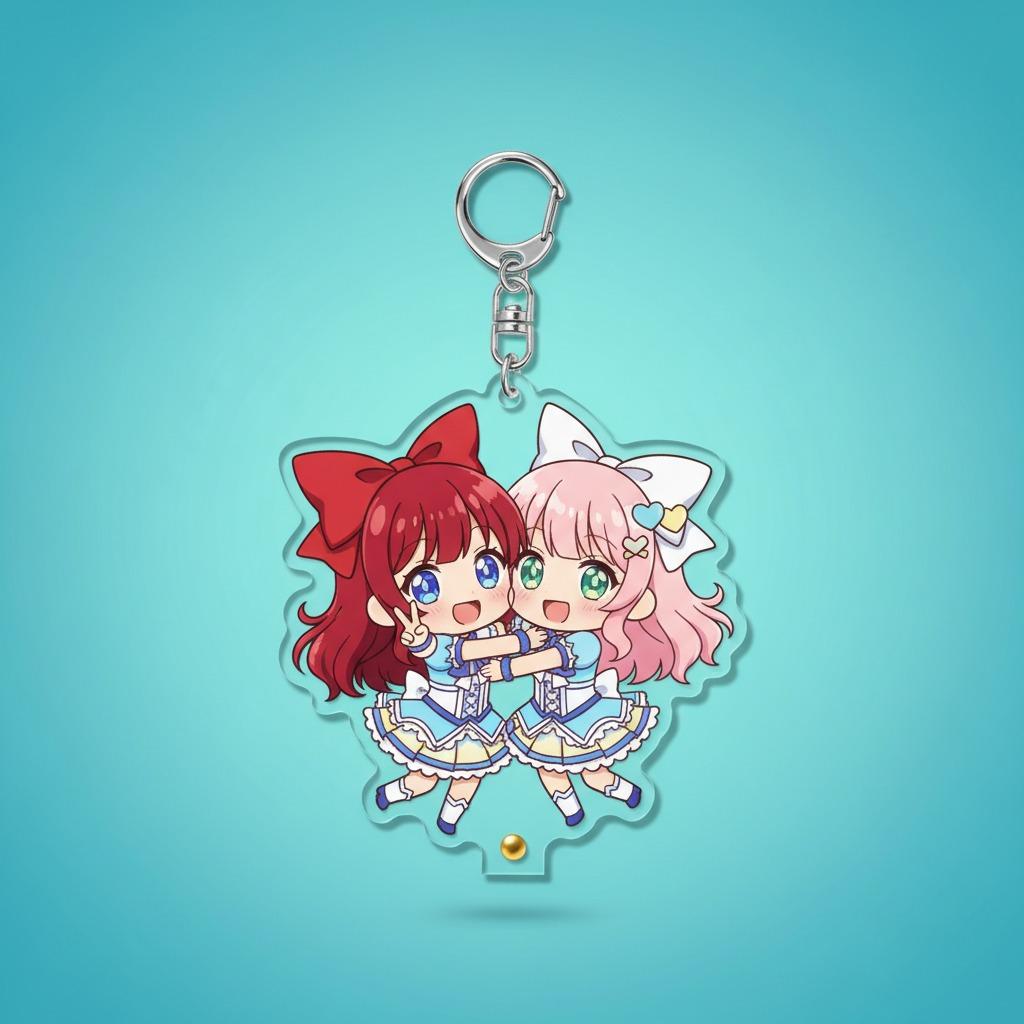
A Double Layer Acrylic Charm is not just another small accessory in the merch catalog. For sourcing teams, brand managers, and product developers, it sits in a useful middle ground: more substantial than a paper insert charm, lighter and easier to ship than enamel, and flexible enough to carry anime art, mascot graphics, campaign visuals, or retail gift designs. That combination explains why it keeps showing up in fan merchandise and promotional programs.
What makes this format worth a closer look is not only the look, but the way it solves a practical problem. Buyers want a compact item that feels collectible, hangs cleanly from bags or keys, and shows off artwork without turning the piece into a complicated assembly. When the structure is done well, the result is a neat accessory with strong shelf appeal and low friction for end users.
Quick take: where this product fits best
The product described here is an acrylic keychain or pendant with a metal lobster clasp and a small top ring. The body appears to be clear or translucent acrylic with full-color character artwork printed on the front and cut to a custom contour around the illustration. In plain terms, it is built for display and attachment, not for heavy-duty wear.
That makes it a good fit for:
fan merchandise for anime, game, or illustration brands
bag charms and zipper pulls
giveaways for events and product launches
collectible retail accessories
If your program needs a premium tactile object, this format may not replace metal or resin. But if the goal is visual impact, speed of design change, and a relatively straightforward manufacturing path, it deserves attention.
Why the layered look matters
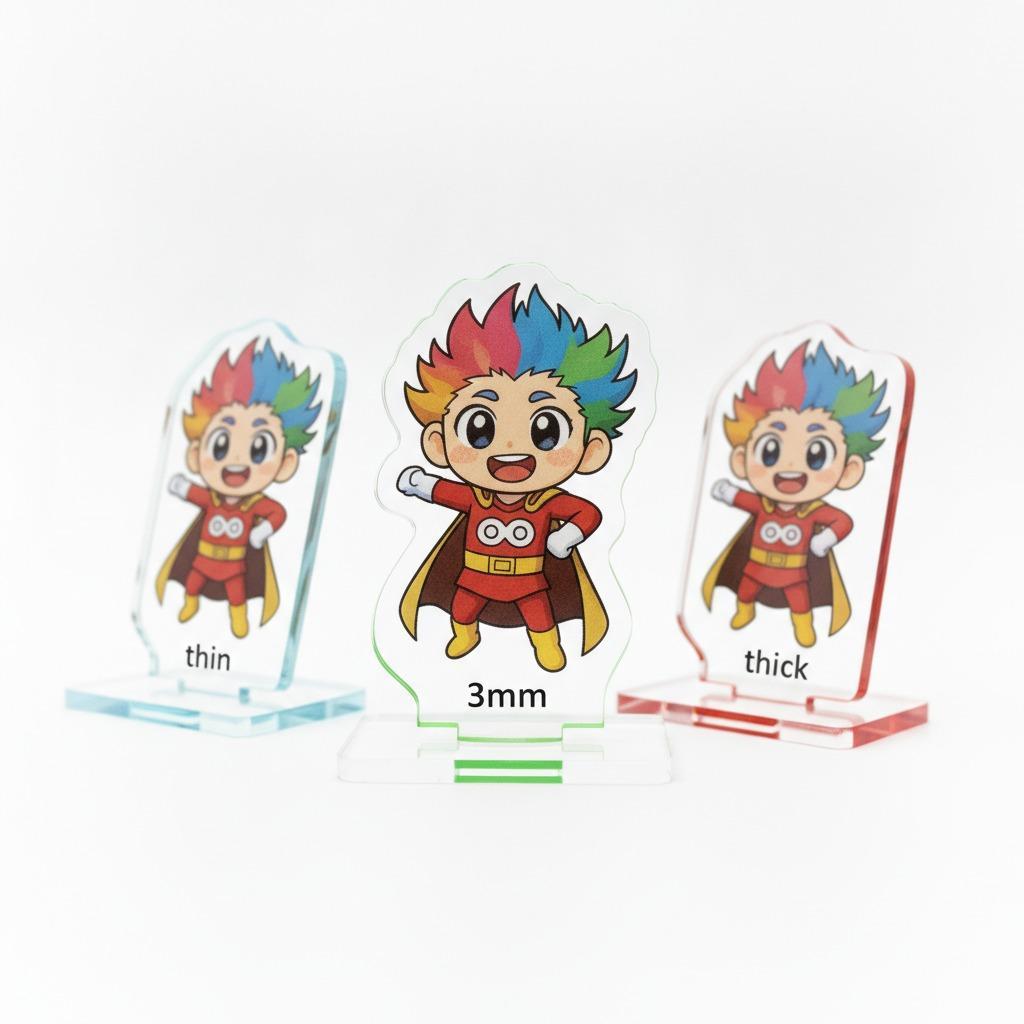
The phrase 3D Acrylic Charm gets used loosely in the market, but the appeal usually comes from visual depth rather than true sculptural volume. A double layer construction can create a more dimensional effect, especially when artwork, outline shape, and clear acrylic interplay cleanly. Even with a flat printed face, the edge, transparency, and stacked appearance can give the piece a richer profile than a simple flat badge.
That matters because customers often decide within seconds whether a charm feels like a collectible or a throwaway. A layered look can raise perceived value without requiring a completely different product family. For procurement, that is one reason this style remains popular in limited drops and character-based merchandising.
Construction details buyers should inspect
The visible hardware here is silver-tone metal with a swivel-style connector and a lobster clasp. That sounds minor, but hardware choice affects everyday usability more than many teams expect. If the clasp opens smoothly and the top ring is secure, the item is easier to attach to bags, backpacks, and lanyards. If it feels flimsy, the entire charm reads as less trustworthy.
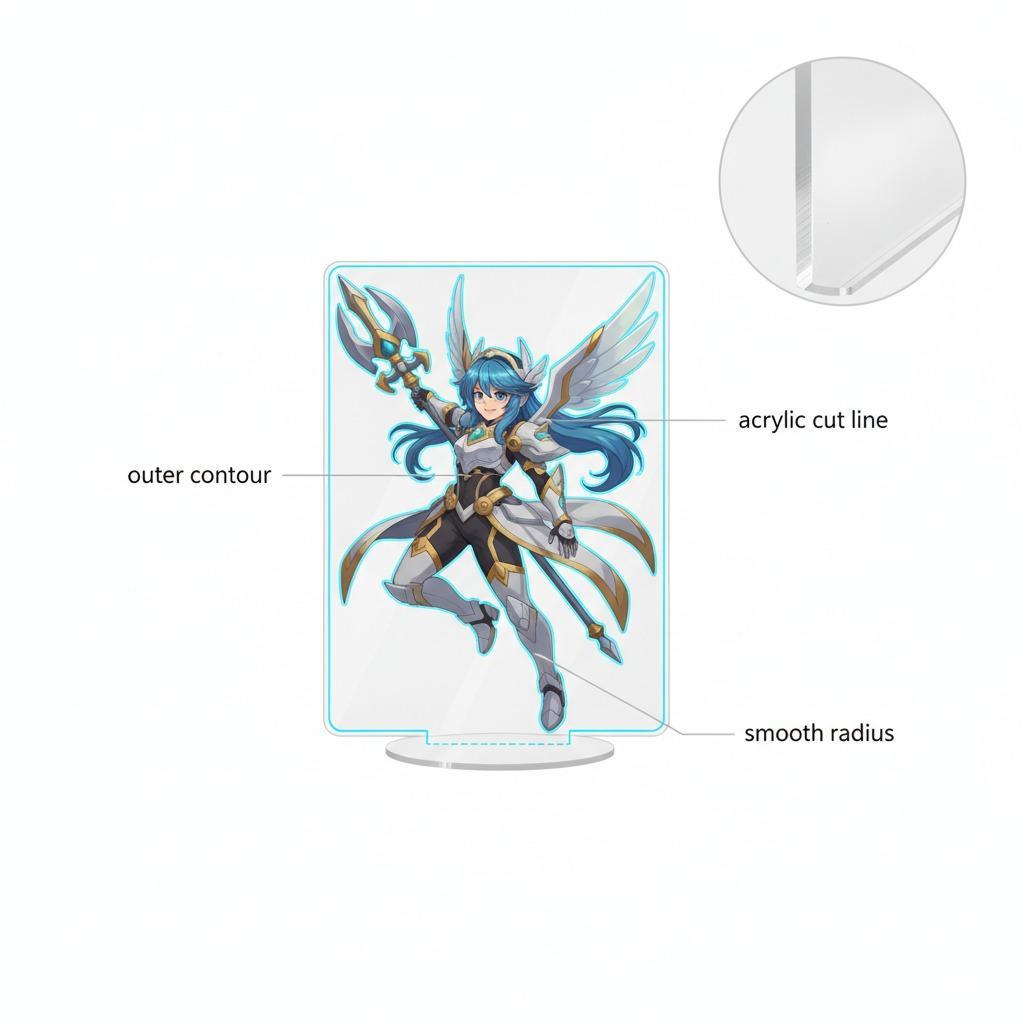
The acrylic body itself appears to be full-color printed and die-cut to the artwork outline. A likely manufacturing route would be direct printing, such as UV printing, followed by contour cutting and hardware assembly. That is only an inference, not a confirmed process, but it is the most common setup for this type of product.
For buyers, the key questions are straightforward:
Is the image crisp at small size?
Does the cut line track the illustration cleanly?
Is the clasp finish consistent across the run?
Does the charm hang straight, or does it twist awkwardly?
Those details determine whether the piece feels retail-ready or merely functional.
Where this format can fall short
The main weakness of acrylic charms is not the material itself; it is how easily the design can be overworked. Too much fine line detail, tiny text, or crowded background effects can disappear once the charm is scaled down. That is especially true if the charm will be viewed from arm’s length on a bag or key set.
Another practical caution: acrylic products can look sharp in a photo yet still disappoint if the edges, print alignment, or hardware assembly are inconsistent. Since exact thickness, weight, scratch resistance, and print method are not specified here, buyers should ask for samples or production photos before committing to a large order.
How to evaluate suppliers and artwork readiness
A good sourcing decision starts with the artwork, not the quote. If the illustration is built for layered merch, it should have a clear silhouette, enough negative space, and strong contrast between character and outline. Designs that rely on subtle shading alone tend to lose their impact.
When reviewing a supplier, look beyond the basic product photo. Check whether they can handle contour cutting cleanly, whether the metal hardware is assembled neatly, and whether they can support repeat production without visual drift. For promotional programs, ask how the charm will be packed, especially if the item is meant to arrive scratch-free or ready for resale. Packaging details are often the difference between a decent item and one that feels finished.
Who this product is best for
This type of charm is most useful for teams that need a compact branded item with a strong visual hook. Licensing groups, indie illustration brands, game publishers, and event merch planners will all recognize the appeal. It is also practical for businesses that want a lower-risk accessory format for testing character demand before moving into larger collections.
For gift and merch buyers, the decision usually comes down to one thing: do you want a collectible with art-first value, or a utility item with only light branding? The double layer acrylic format leans hard toward the first category, which is why it works so well in fandom and promotional retail.
Buyer’s final check before ordering
Before you place an order, confirm the basics that are easy to overlook: single-sided or double-sided printing, the exact hanging hardware, the outline complexity, and whether the artwork has been prepared for small-format reproduction. If the design depends on official licensing, make sure that side is settled as well; do not assume anything from a product photo.
A well-made acrylic charm can be a smart, low-friction product. A rushed one looks cheap fast. That is the real dividing line, and it usually shows up in the details rather than the headline feature.
Next step
If you are comparing suppliers, ask for a production sample or a detailed proof showing the print placement, cut shape, and hardware assembly. For this category, that single step usually tells you more than a polished listing ever will.