
Why scratch resistant acrylic matters when your graphic has to stay sharp
Scratch Resistant Acrylic is often chosen for displays, signs, wall graphics, and printed artwork because the surface has to do two jobs at once: look clear and stay presentable after handling, dusting, shipping, or repeated viewing. That matters even more when the image itself depends on clean linework, pastel gradients, and small decorative details. A beach-themed character print, for example, can lose a surprising amount of visual polish if the face, border, or bright white clothing picks up scuffs too easily.
For buyers, the real decision is not “acrylic or not.” It is whether the final piece needs a hard, glossy face that resists everyday wear, whether it should arrive with a Protective Film Acrylic layer during fabrication and installation, and how much clarity you are willing to trade for durability. Those are practical questions, not cosmetic ones.
What scratch resistance actually does for printed and decorative work
Acrylic already has an advantage over many softer display materials because it is rigid, clear, and relatively lightweight. Adding scratch resistance gives the surface a better chance of surviving normal contact: wiping, packing, mounting, and the occasional accidental brush from a ring or sleeve. That is useful for retail graphics, framed art, signage, and fandom-style prints that may be handled more often than an office plaque.
It is worth keeping expectations realistic. Scratch resistant does not mean scratch proof. A hard object can still mark it, and poor cleaning habits can do just as much damage as rough handling. If the piece is going into a public-facing space, the buyer should think about cleaning frequency, light exposure, and whether people will touch the surface.
Quick guide: when acrylic makes sense and when it may not
Good fit: wall display pieces, visual merchandising, branded panels, acrylic photo or art prints, protective face layers over graphics, and items that need a crisp, modern finish.
Less ideal: situations where a very matte surface is required, products that will be heavily abraded, or pieces where replacing a damaged face is easier than specifying a tougher material from the start.
If the artwork includes pale tones, thin borders, or delicate ornamental edges, acrylic’s clarity can help preserve the image. But if glare is already a problem in the installation space, a buyer may need to weigh that against the clean look of the surface.
Step 1: Define the use case before you specify the material
Start with the job, not the product. Ask whether the piece is meant to hang on a wall, sit in a retail fixture, travel in packaging, or serve as a gift item. A decorative graphic intended for occasional handling has a different material threshold than a permanent sign in a high-traffic area.
For printed artwork and promotional graphics, the surface layer is part of the presentation. If the image relies on fine facial features, small accessories, or layered background elements, the finish should protect those details without making them look dull or cloudy.
Check the handling conditions
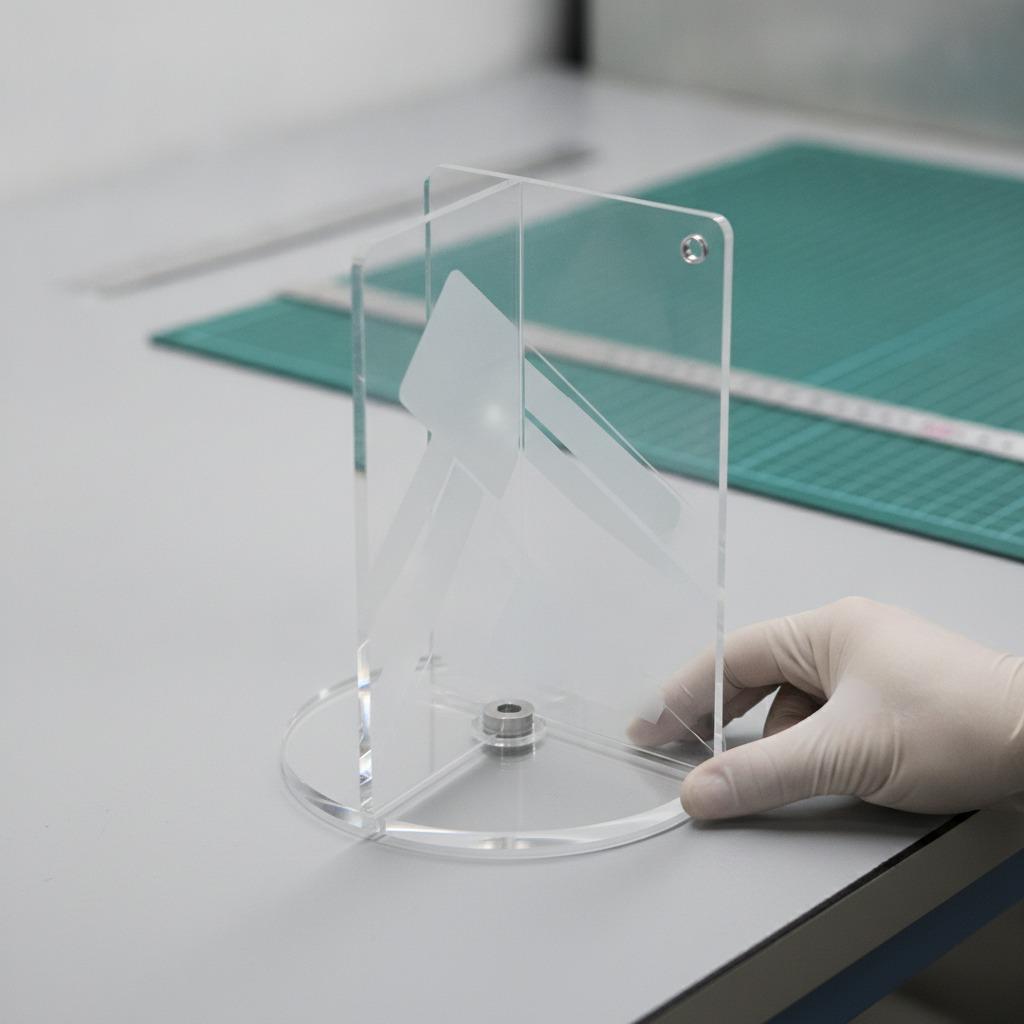
Look at who will touch the product, how often it will be cleaned, and whether it will be shipped with edge protection. A lot of surface damage happens before the item ever reaches the end user. That is where a Protective Film Acrylic layer can be useful during transit and installation, though it should be removed correctly and not left on by mistake.
Step 2: Match finish and clarity to the artwork
High-gloss acrylic can make colors look vivid and borders look crisp, which suits poster-style graphics and decorative character art. It can also reflect overhead lighting. In a bright showroom, that reflection may be acceptable; in a home interior, it may be annoying. Buyers sometimes overlook this until the first sample is on the wall.
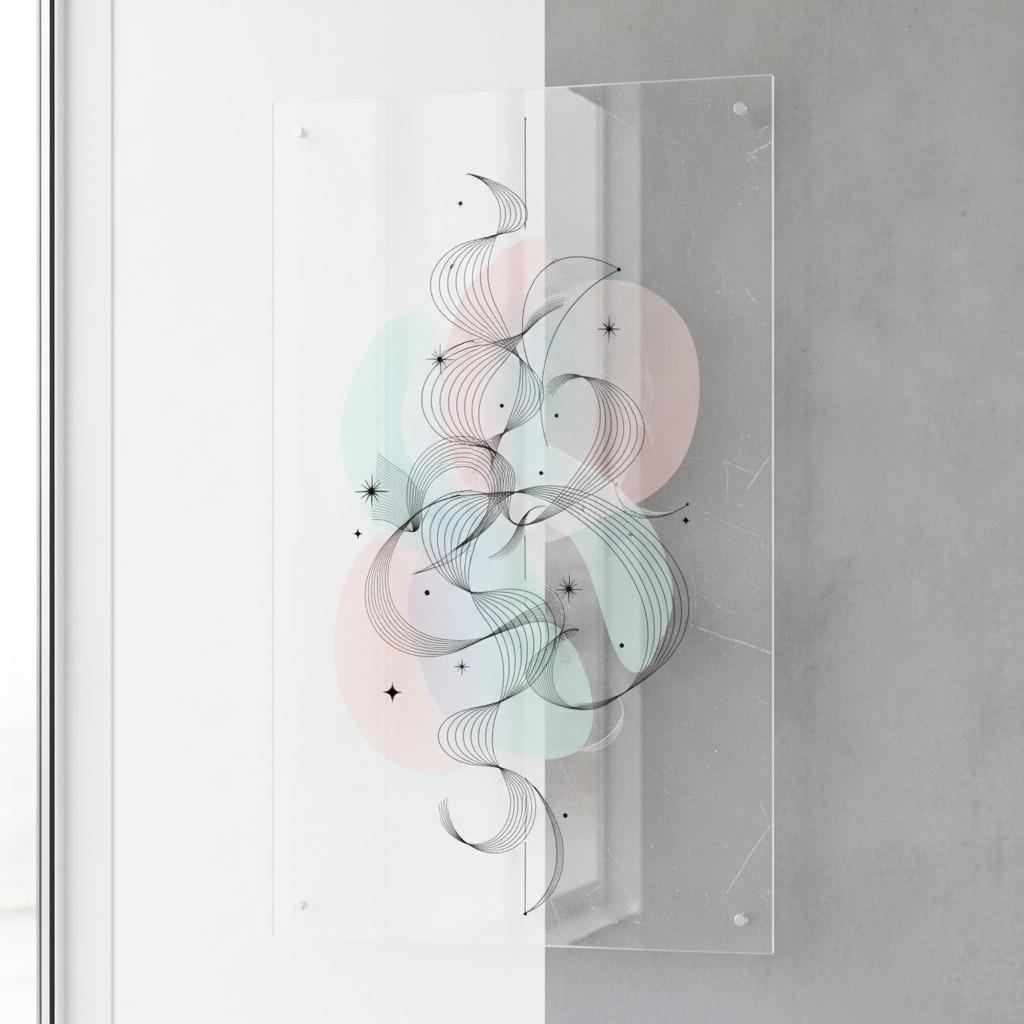
For softer artwork with pastel skies, floral accents, or a layered seaside background, clarity matters as much as toughness. If the material or coating adds haze, the image can lose the very depth that made the design appealing in the first place.
Step 3: Think through fabrication and finishing details
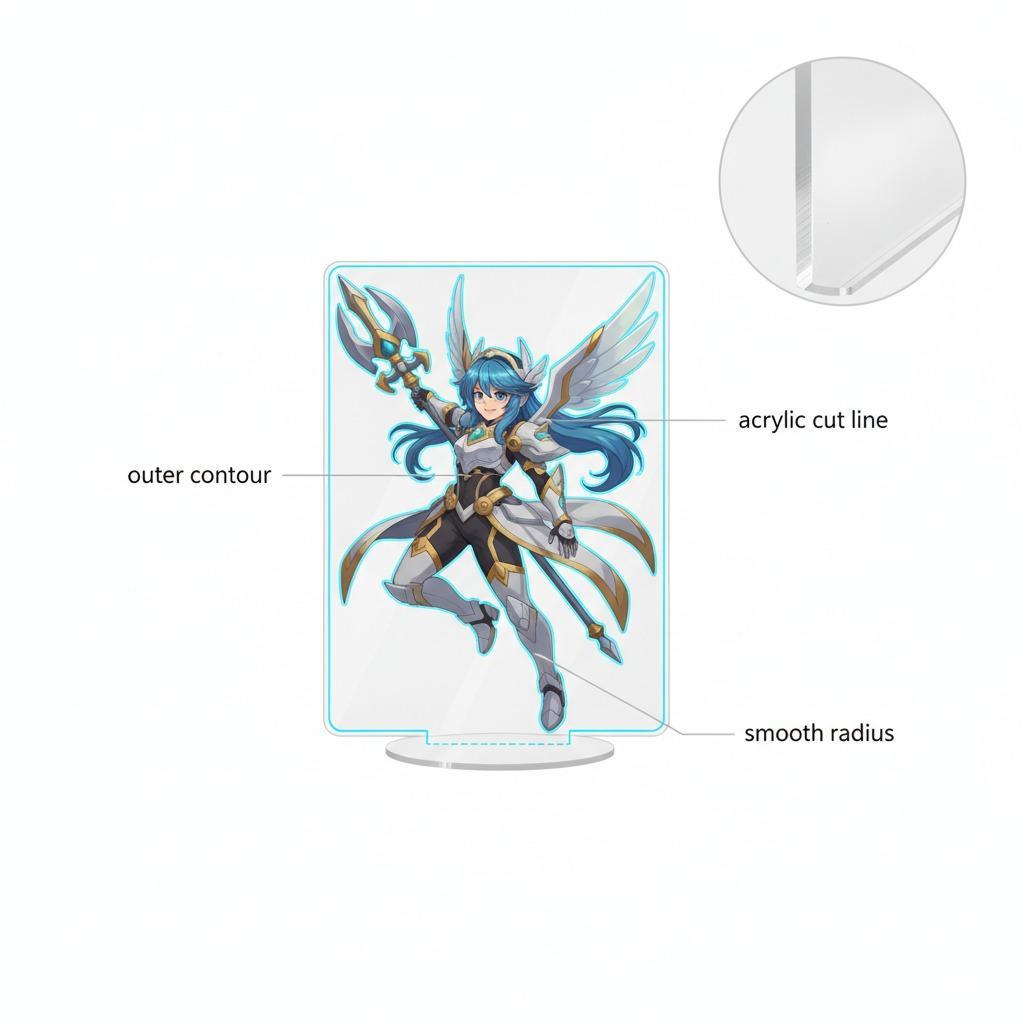
When sourcing a scratch-resistant face for printed or decorative work, ask how the surface will be cut, edged, and protected. Smooth edges matter for safety and for the final impression. So does the way the image is mounted underneath or behind the acrylic, especially if the artwork has multiple visual layers.
Buyers should also confirm whether the vendor is supplying a finished acrylic face, a printed panel behind acrylic, or a protective overlay. Those are not the same thing, even if the sales copy makes them sound interchangeable.
Common mistakes buyers make
One common mistake is assuming all acrylic performs the same. Another is focusing only on scratch resistance and forgetting about glare, edge quality, and transport protection. A third is specifying a premium surface while using low-grade packing, which defeats the point before installation.
There is also a habit of over-specifying when the application does not need it. If the product is a one-off decorative print for light home use, a simpler construction may be more sensible than chasing industrial-grade surface claims that the application will never fully use.
Practical buyer checklist
Before placing an order, confirm the intended environment, the expected handling level, the desired finish, and whether protective film is part of the process. Ask for sample material if the display depends on color fidelity. If the artwork has fine detail, review the surface under real lighting, not just in a catalog render.
If you are buying for a brand, retail space, or fandom merchandise line, this is the point where material choice affects perceived quality. A clean, durable surface makes the whole piece look more intentional. A scuffed one makes even strong artwork feel cheap.
FAQ
Is scratch resistant acrylic the same as scratch proof acrylic?
No. It is designed to resist everyday abrasion better than standard surfaces, but damage is still possible.
Does protective film matter?
Yes, especially during shipping, handling, and installation. It can prevent early surface damage, but it should be removed properly at the right time.
Will it improve the look of printed artwork?
It can, if the acrylic is clear and the finish suits the image. It can also hurt the presentation if glare or haze becomes too strong.
A sensible next step
If you are sourcing a display piece, printed graphic, or decorative panel, start by defining the environment and handling conditions. Then request material options that balance clarity, surface durability, and packaging protection. That is usually the fastest way to avoid a product that looks great on paper and disappointing on the wall.