
PMMA Acrylic Printing for Display Pieces: Why Buyers Care About the Finish
PMMA Acrylic Printing sits in an interesting corner of the print-and-display market: part decoration, part protection, part product presentation. For sourcing teams and product developers, the appeal is easy to understand. A printed acrylic surface can look deep, glossy, and far more premium than ordinary paper card. It catches light in a way that makes artwork feel suspended rather than simply printed. That matters whether you are specifying collectible merch, a desk plaque, a retail display card, or a limited-edition promotional insert.
The example most buyers picture is a rigid, landscape-format piece with rounded corners, bright full-color artwork, and a polished surface. In practice, that effect is often created through UV Printing Acrylic Board methods or other digital printing processes on rigid transparent or semi-transparent substrates. The exact build can vary, and that is where many purchasing mistakes begin: a product may look like acrylic but actually be a laminated print on another rigid base. If the look matters more than the substrate, say so early. If durability, scratch resistance, or edge clarity matter, the material callout needs more scrutiny.
What PMMA Brings to the Table
PMMA, commonly associated with acrylic sheet, is valued because it combines optical clarity with a clean, modern appearance. It is lighter than glass and generally easier to shape into signs, cards, plaques, and decorative panels. For printed products, the surface offers a crisp stage for graphics, especially when the artwork uses saturated color, dark backgrounds, or fine linework. That is one reason HD Acrylic Printing is frequently discussed in the same breath as merch display and premium signage.
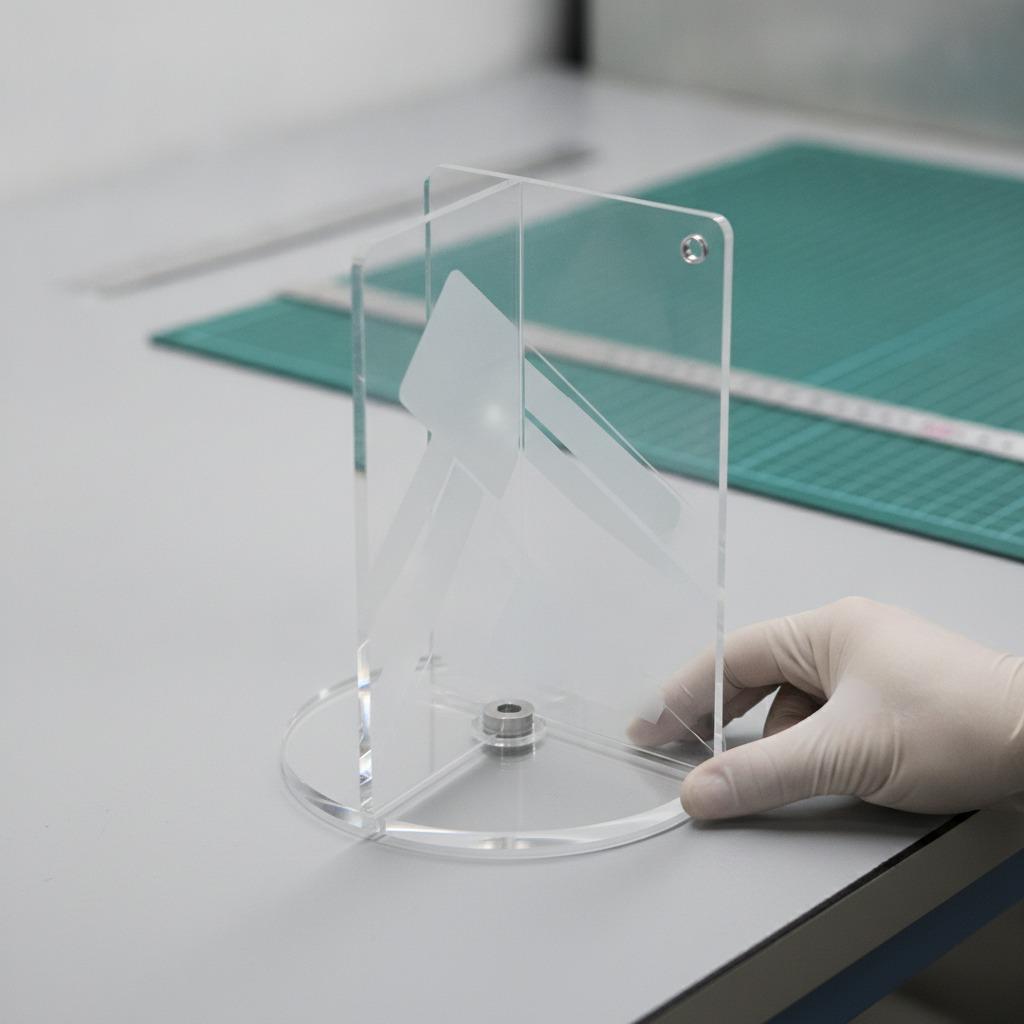
For a buyer, the practical question is not “Is acrylic attractive?” It usually is. The better question is whether the visual payoff justifies the process and handling requirements. Acrylic can show fingerprints, edge scuffs, and reflection issues more readily than matte board or coated paper. If the item will be handled often, packaged tightly, or shipped individually, those details start to matter very quickly.
Quick Comparison: Where Acrylic Printing Fits Best
Best for visual impact
When the goal is a glossy collector piece, shelf display, or event giveaway that should feel more substantial than a standard print, acrylic is a strong candidate.
Less ideal for rough handling
If the item is going into a kit where pieces rub against each other, or if the end user is expected to carry it around frequently, you may want to compare acrylic against coated paper, PET, or other rigid alternatives. Acrylic looks premium; it is not always the most forgiving.
Good fit for limited runs
Digital printing methods, including UV Printing Acrylic Board workflows, are often attractive for shorter runs, variable artwork, and fast design changes. That makes them useful for themed collections, fan merchandise, and seasonal campaigns.
How the Print Build Affects the Final Result
With PMMA Acrylic Printing, the final appearance depends on more than the artwork file. Ink adhesion, surface preparation, print orientation, and whether the image is printed directly on the face or backed behind the sheet all change the look. Front printing gives a direct, graphic feel. Back printing can add depth and protect the image layer from abrasion. Neither is automatically better; the right choice depends on how the piece will be used and viewed.
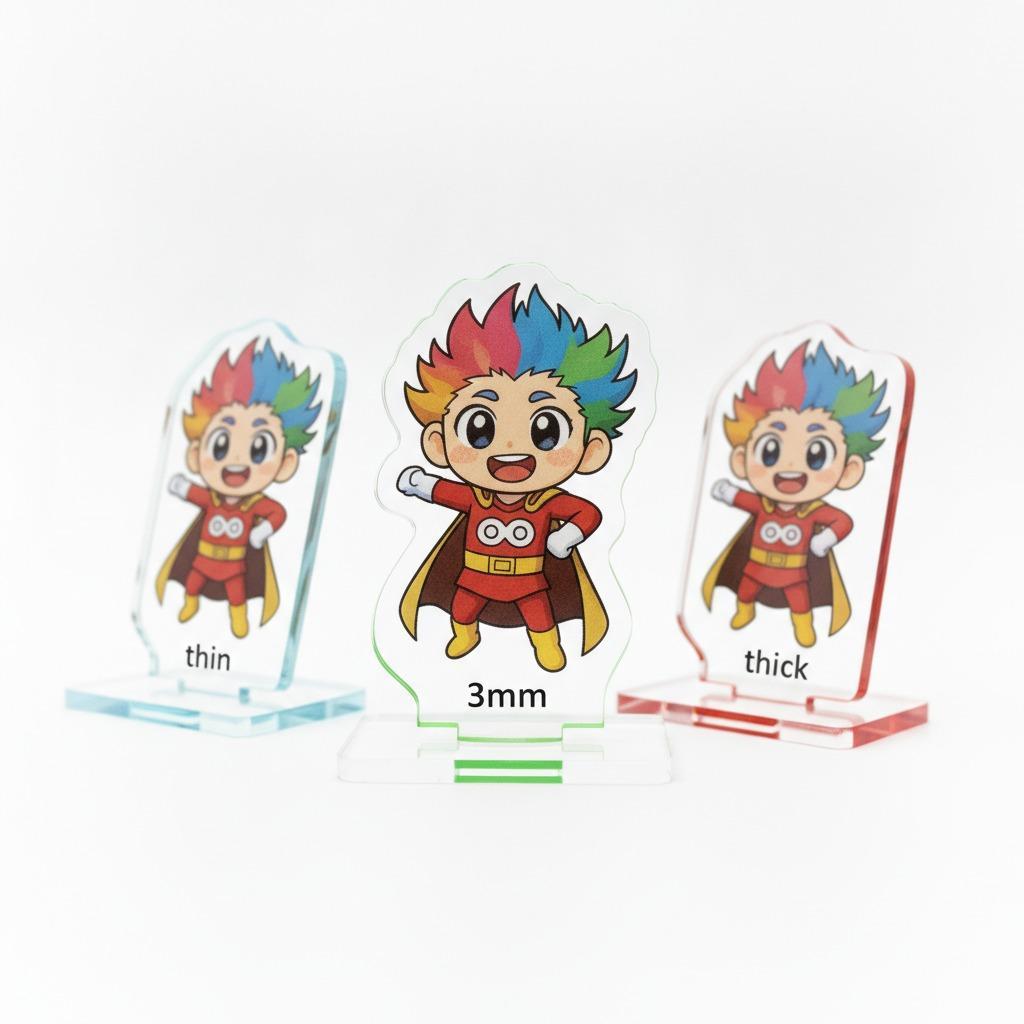
For illustrated products like the landscape art card shown in the reference image, a glossy finish and full-bleed composition help create a collectible feel. Rounded corners soften the silhouette and reduce the “office placard” look. That small design choice can make a big difference in how buyers perceive the item on a desk, in a retail case, or inside a gift set.
Selection Criteria Buyers Should Not Skip
Before approving a production sample, ask a few plain questions. Is this actually acrylic, or is it a coated card or laminated rigid print? Will the print sit on the front surface or behind it? How visible are reflections under store lighting? Does the item need a stand, frame, or packaging protection? Those sound basic, but they are the questions that prevent disappointment later.
Also, avoid assuming that all glossy prints have the same durability. A bright, reflective finish can look excellent in a product photo and still be vulnerable to scratching if packaging or storage is careless. If the item is meant for resale, shipping protection may be as important as the printing method itself.
Common Buyer Mistakes
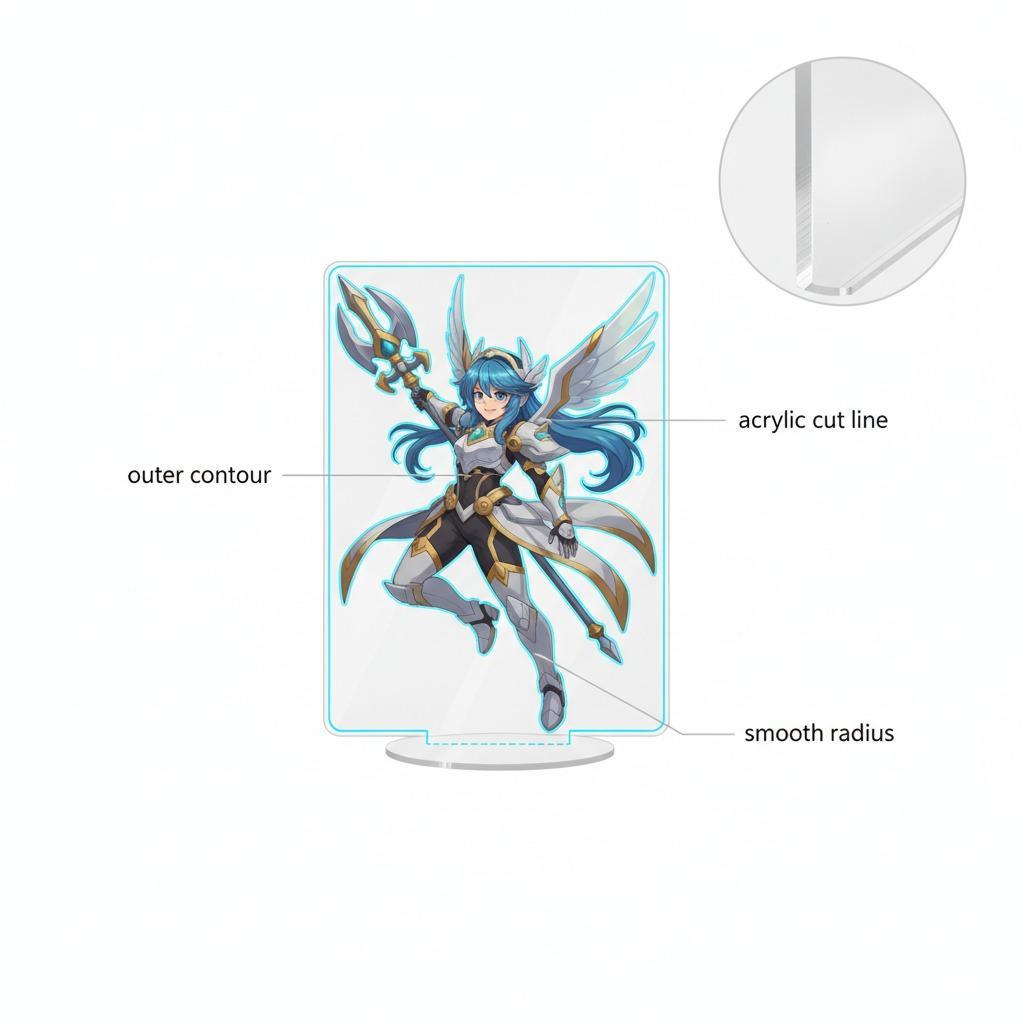
One common mistake is over-specifying the artwork while under-specifying the substrate. Another is approving a sample under ideal lighting and forgetting how it will look on a crowded retail shelf or in a customer’s room. A third is ignoring edge treatment. On a printed acrylic board, the edges can quietly signal quality or cheapness. Rough edges, poor trimming, or inconsistent corner rounding can spoil an otherwise strong design.
There is also a licensing caution worth stating plainly: if the piece features character art, branding, or title text, confirm the rights position before production. That is not a printing issue, but it is a real sourcing issue, and it can decide whether the product is fit for sale at all.
Practical Takeaway for Product Teams
If you need a display piece that feels polished, colorful, and giftable, PMMA Acrylic Printing is worth serious consideration. It is especially compelling for fan merchandise, commemorative items, desk décor, and other products where appearance carries most of the value. If you need rugged handling, low glare, or a softer retail price point, compare alternatives before locking in the build.
Start with the end use, then choose the print structure, surface finish, and packaging around that use. That order saves time, and it usually saves money too.
FAQ
Is PMMA the same as acrylic?
In most manufacturing contexts, PMMA is the material commonly referred to as acrylic. Buyers still should confirm the exact sheet type being used.
Is HD Acrylic Printing only for signage?
No. It is also used for collectibles, retail display items, promotional plaques, and decorative panels where image quality matters.
What should I ask a supplier first?
Ask whether the print is direct or reverse-printed, what protective layers are used, and how the item is packed for shipment. Those answers reveal a lot about real-world quality.
Next Step
If you are sourcing a premium printed display piece, request a sample that matches the actual substrate, print orientation, and finish you intend to sell. A polished mockup is useful, but the real decision gets made in hand, under ordinary light, with packaging included.