
When a clear surface has to do more than look clean
In product displays, collectibles, and retail-facing décor, a PMMA Acrylic Board often solves a problem that paper and ordinary plastic cannot: it gives artwork a brighter, more finished presence without making the piece feel heavy or fragile. That matters whether you are spec’ing a desk display, evaluating a fan-merch line, or comparing front-facing display materials for a small run.
The image data here points to a printed rectangular decorative piece with rounded corners, a glossy-looking surface, and full-color artwork featuring a title, decorative border, and detailed illustration. The exact substrate is not confirmed, so it would be careless to call it one thing too confidently. Still, this is the kind of application where buyers often ask whether a Cast Acrylic Board or another clear rigid sheet makes the most sense.
The short answer: acrylic works best when visual clarity, print pop, and a tidy edge finish matter more than low-cost, disposable presentation. That is the decision this article helps you make.

Why PMMA keeps showing up in display and merchandise work
PMMA, or acrylic, has long been used where clarity is part of the product value. Compared with many general-purpose plastics, it offers a cleaner optical appearance and a more premium feel. For printed merchandise, that can make linework look sharper and color blocks appear deeper. For a decorative art board, it can also protect the image layer better than an exposed paper print, though the exact protection depends on construction and surface treatment.
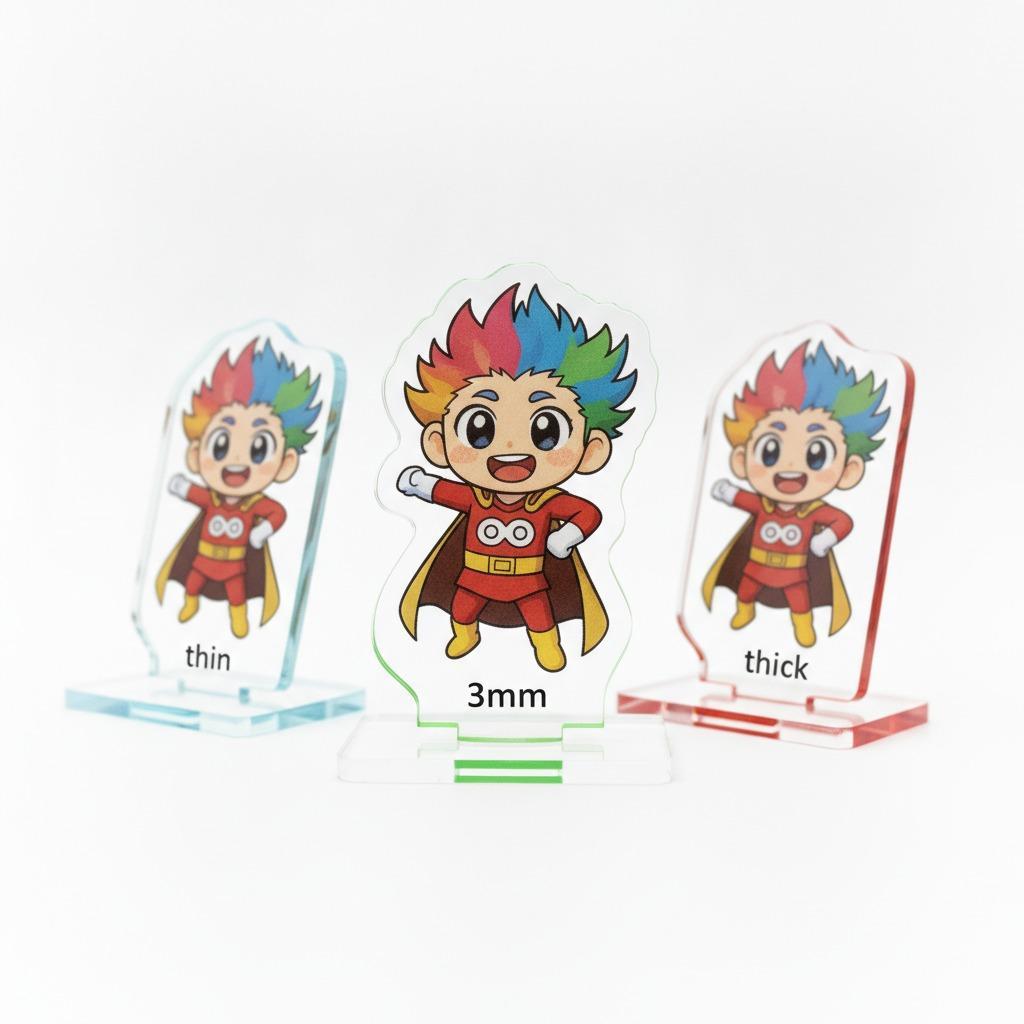
Buyers often choose a PMMA Acrylic Board when they want a rigid piece that can sit on a desk, stand in a retail setting, or be packaged as a collectible. The material lends itself to crisp rectangular formats and rounded corners, which is consistent with the kind of merchandise shown in the source image.
Cast Acrylic Board versus other clear sheet options
Not every acrylic sheet behaves the same way. A Cast Acrylic Board is typically favored in display work because it is associated with better optical quality and easier machining than some alternatives, though the right choice still depends on the job.
What buyers usually care about
Appearance: If the goal is a bright, glass-like finish, Crystal Clear Acrylic is often the phrase suppliers use to describe that front-face clarity.
Edge finish: Rounded or polished edges help a piece feel finished instead of utilitarian. This matters in gift items and collectible formats.
Print compatibility: For full-surface graphics, the substrate should work cleanly with the intended printing or laminating method. In practical sourcing, this is where sample approval matters more than brochure language.
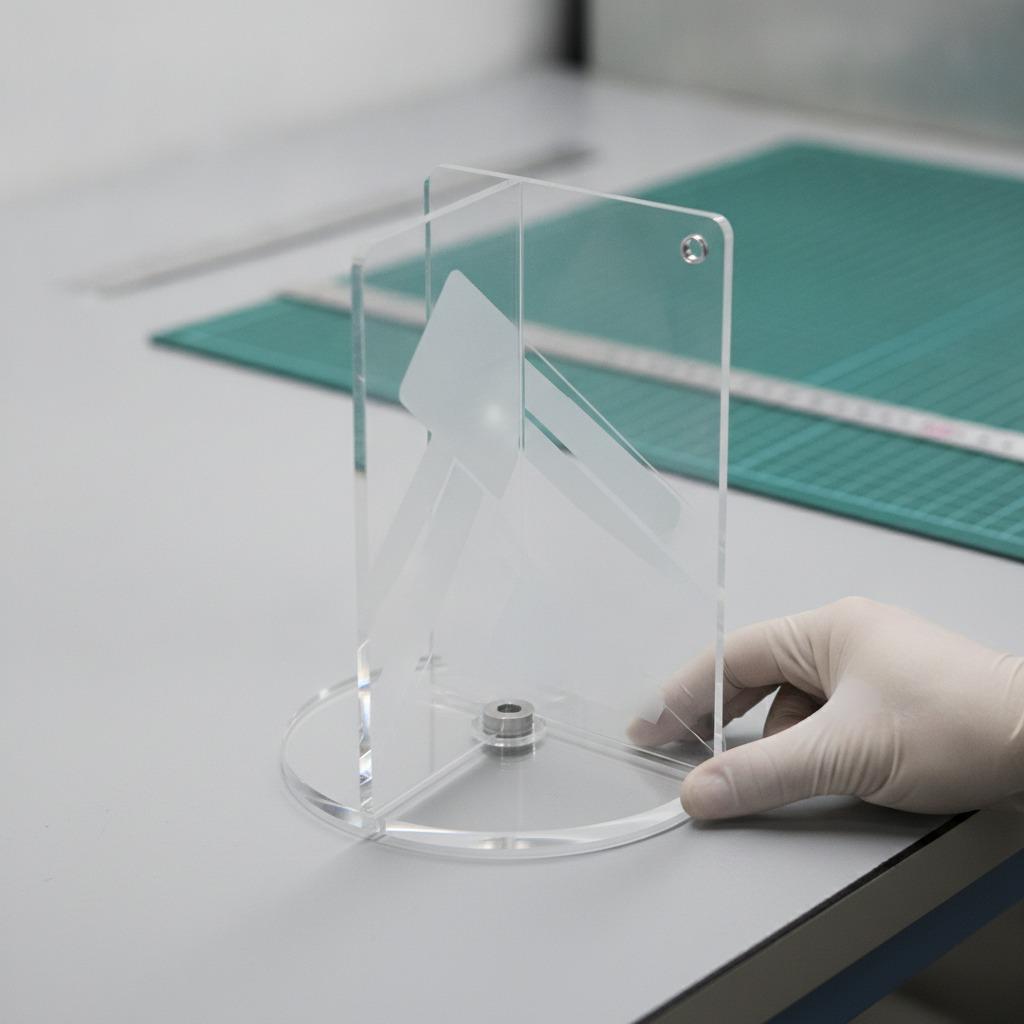
Handling: Acrylic is rigid, but it can scratch if packed carelessly. A beautiful front can be undermined by poor shipping protection; that part is not glamorous, but it decides whether the buyer keeps ordering.
How printed acrylic-style merchandise is usually built
For a product like the one shown, the visible features suggest a flat decorative print with a glossy or laminated face and rounded corners. The artwork covers most of the front, which is a common approach for collectible desk pieces and promotional gifts. Exact structure cannot be confirmed from the photo, but from a manufacturing perspective there are a few common routes: direct print on a rigid sheet, print plus lamination, or artwork mounted to a clear or semi-clear base.
That detail matters because the print method affects color depth, surface feel, and durability. If the buyer expects a premium collectible look, the surface should stay smooth and the image should remain visually stable under normal handling. If the item is meant for retail display, the board also needs to look consistent under different lighting, including the harsh kind found in shop cabinets.
Common mistakes buyers make
The first mistake is assuming “acrylic” automatically means premium. It does not. The base material, print process, and finishing steps matter just as much.
The second is ignoring the end use. A desk accent and a wall display may look similar in a photo, but they can need very different thickness, mounting logic, and packaging.
The third is approving from a single image only. With collectible artwork, a glossy surface can hide issues in the proof stage and then reveal them later under bright light. That is where a sample run earns its keep.
Practical buyer advice before you place a run
If you are sourcing a PMMA Acrylic Board or a similar clear display piece, ask for the real structure, not just the marketing name. Confirm whether the item is solid acrylic, a printed insert, or a laminated board. If the piece will be handled often, ask about scratch risk and packaging. If it is going into a fandom gift line, verify color accuracy against approved artwork, because character art lives or dies on those small visual decisions.
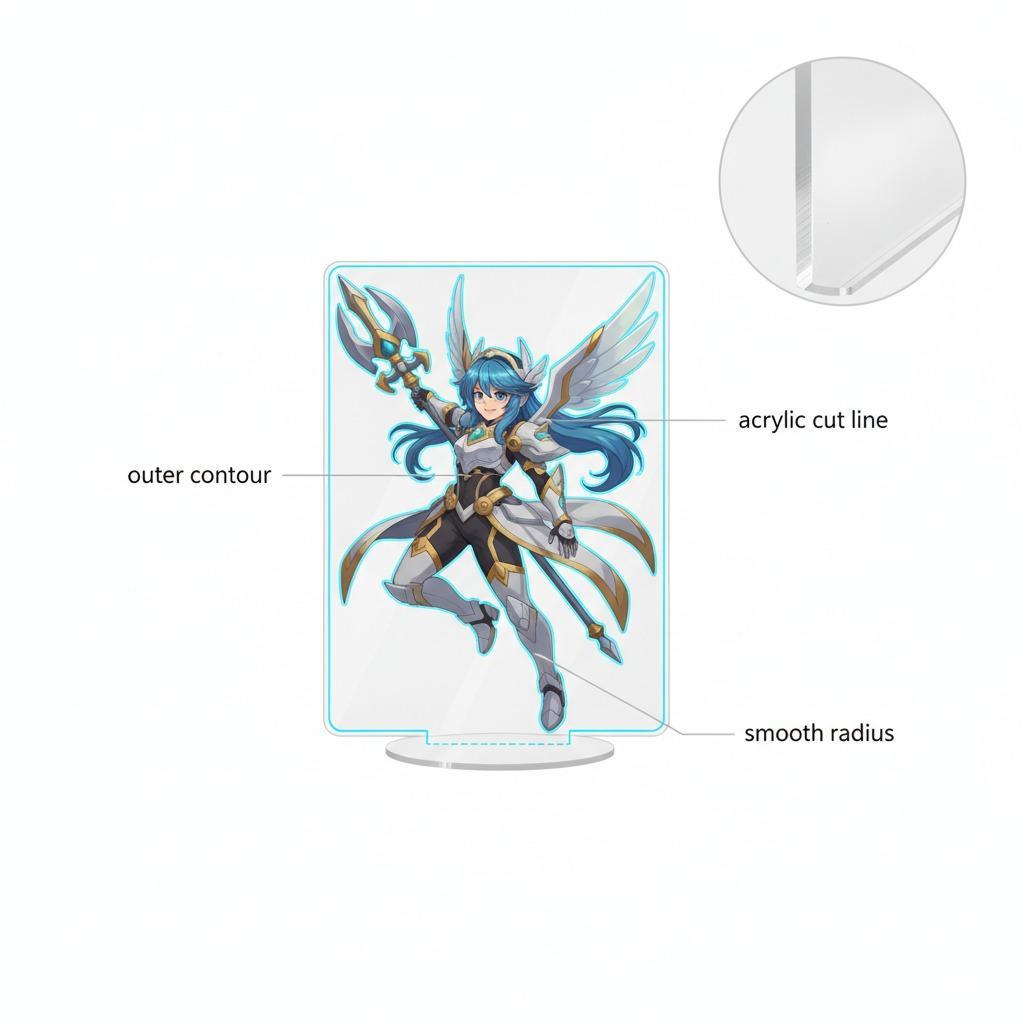
For the product style shown here, a buyer would also want to check the edges, corner radius, and how the printed border aligns with the final cut. Those details are easy to miss in a mockup and painfully visible in the finished item.
What this kind of product is good for
Used well, a clear acrylic board or acrylic-style print piece works as a decorative desk display, collectible merchandise, retail sample, or small gift item. The ocean-and-sky artwork in the image, combined with the bordered title treatment, is the kind of visual that benefits from a rigid, glossy presentation rather than a soft paper stock.
If your buying decision is still open, start with the intended shelf life. Short-lived promo pieces can tolerate simpler construction. Long-term collectibles usually deserve better clarity, cleaner edges, and more cautious packaging.
Next step for sourcing teams
Before you commit, request a sample or detailed spec sheet and verify the exact substrate, print method, and finishing. If the supplier uses the term PMMA Acrylic Board, ask how it differs from Cast Acrylic Board in that specific line. Small wording differences can hide big changes in appearance and handling.
That is usually the point where a good buy becomes obvious: the piece either has the clarity, edge quality, and print control to justify its place in a merch line, or it does not. There is not much middle ground once the customer sees it on a desk.