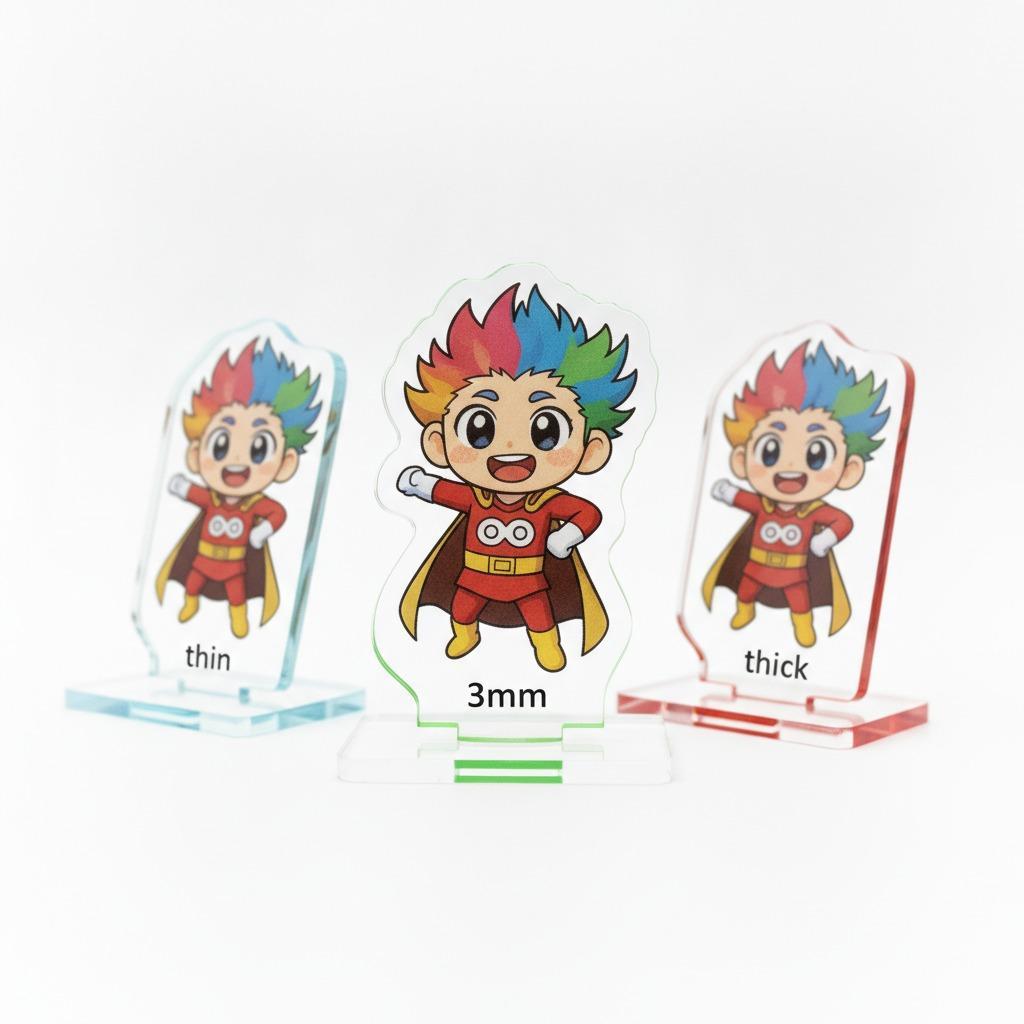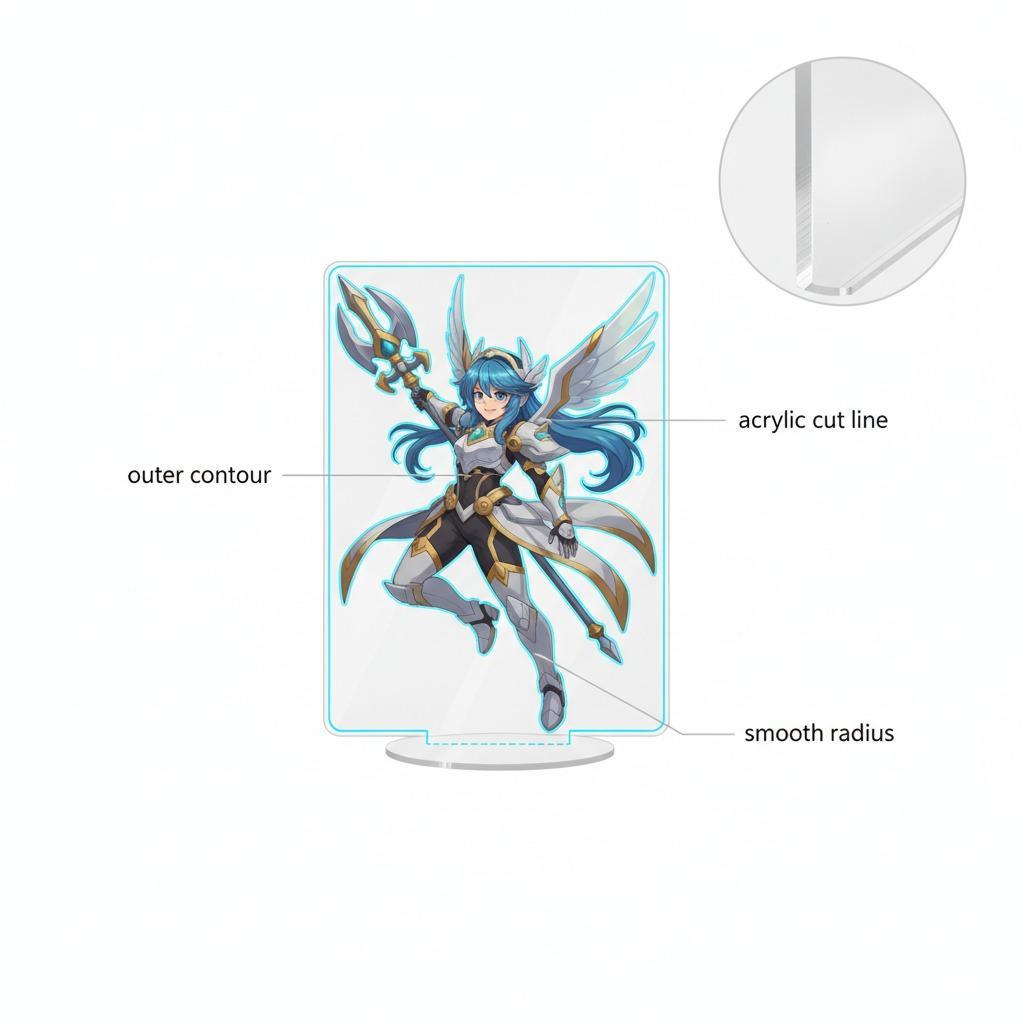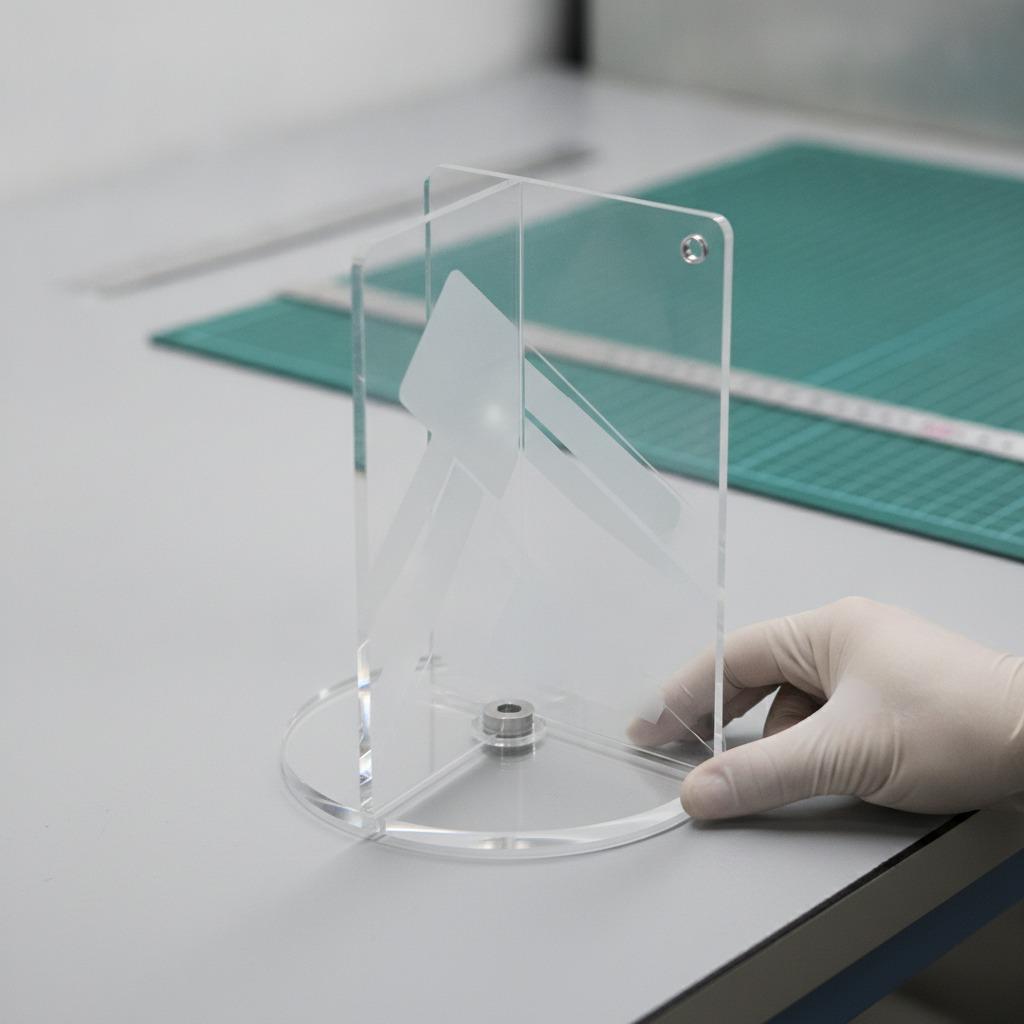

Why PMMA Acrylic Board Keeps Showing Up in Display Products
When buyers talk about a PMMA Acrylic Board, they are usually not thinking about a laboratory sample or a generic plastic sheet. They are thinking about a surface that has to look clean, hold color well, and survive handling without turning cloudy or tired. That is exactly why this material keeps appearing in printed display goods, fan merchandise, desk accessories, and decorative retail items. It gives a product the hard, polished look that makes artwork feel more permanent than paper, but without the weight or brittleness of glass.
For sourcing managers and product teams, the real decision is not just “Is acrylic attractive?” It is whether the board structure, print method, and finish support the use case. A collectible display piece with anime-style artwork, for example, lives or dies by surface clarity, edge quality, and the way the image sits under light. If the print looks dull or the board warps, the whole item loses value fast.
What Buyers Usually Mean by Acrylic Board in Merchandising
In consumer products, acrylic board can mean several things depending on how the item is built. A Cast Acrylic Board is often chosen when clarity, thickness consistency, and a more premium visual effect matter. It is commonly associated with display items, sign panels, and decorative pieces where the front face needs to look crisp and polished. By contrast, some lower-cost boards may be extruded or otherwise processed for simpler applications. The point is that the word “acrylic” alone is not enough to specify performance.
One reason PMMA stays popular is its optical character. Buyers often want Crystal Clear Acrylic because the material can make full-color artwork look bright and sealed-in, almost like it is floating behind glass. That is useful for collectible products with layered graphics, border decoration, or gradient backgrounds. A beach or ocean scene, for instance, reads very differently on a cloudy substrate than on a clear one.
How the Material Choice Affects a Printed Flat Product
The product described here—a landscape-format, rounded-corner printed piece with glossy presentation and full-face color coverage—fits the kind of item where board choice matters as much as artwork. If it is used as a desk mat-style display, decorative placemat, or collectible card-like print, the buyer is balancing appearance against durability. PMMA gives a hard, tidy surface that can support a premium feel. It also tends to present edges sharply, which matters when the design relies on a clean border and title lettering.
There is a practical caution here: acrylic surface quality is only as good as the printing and finishing process behind it. A sharp illustration can look cheap if the surface scratches easily, if the print alignment drifts, or if the corners are cut roughly. For merchandise programs, those small defects are not small at all. Fans notice immediately.
What to check before placing an order
Ask where the print sits in the build, whether the surface is coated or laminated, and how the corners are finished. If the product will be handled often, a glossy face can be attractive but unforgiving. Fingerprints, scuffs, and edge chips become visible quickly. That is true whether the item is a shelf display, gift item, or part of a themed set.
Selection Criteria for Engineers and Sourcing Teams
For this kind of product, the decision usually comes down to four questions: how clear the board needs to be, how rigid it should feel, how the graphic will be applied, and what the item needs to withstand in shipping and use. PMMA is often a sound choice when visual presentation is the priority. It is less forgiving than some softer plastics, though, so packaging design matters.
If the board is used for licensed or collectible merchandise, consistency is especially important. The same title, same color balance, and same edge quality need to repeat from run to run. A design like “The Falling Merman,” with its illustrated characters, decorative flowers, and sky-to-ocean gradients, depends on color stability. A slight shift in printing can change the mood from vivid to flat.
Common Mistakes in Acrylic Display Merchandise
The most common mistake is treating all clear boards as interchangeable. They are not. A cast part, a printed laminated sheet, and a decorative board with a glossy face may look similar from across a showroom, but they perform differently under handling, light, and heat exposure. Another mistake is ignoring corner shape and edge finishing. Rounded corners do more than soften the look; they reduce snagging and make a product feel finished.
Buyers also sometimes overfocus on artwork and underfocus on substrate behavior. That is understandable, but it can lead to disappointing shelf life. If the item will sit on a desk, be gifted, or travel in retail packaging, the board has to tolerate real-world handling, not just product photography.
Practical Buyer Advice
If you are sourcing a PMMA-based display board for merch, request samples that show the actual print process, not just blank material. Compare surface gloss under direct light. Check whether the title text stays sharp near the edges. If the item is intended as a collectible, ask how the packaging protects the finish during transit. A beautiful acrylic board that arrives scratched is a customer service problem waiting to happen.
For decorative fan goods and display prints, the safest path is often to specify the visual result first—clarity, gloss, color depth, and edge quality—then work backward to the substrate and process. That approach keeps the conversation practical and reduces the chance of buying a material that looks right on paper but wrong on the table.
What This Means for Product Teams
PMMA acrylic boards are attractive because they sit in a useful middle ground: premium-looking, rigid, and suitable for colorful printed merchandise. For anime-style collectible items, desk displays, and themed gift products, they offer a polished surface that supports detailed artwork without the bulk of a framed piece. The catch is that success depends on the full build, not the material name alone.
If you are evaluating a new merchandise program, start with the intended use, then confirm substrate type, print method, and packaging protection. That is the difference between a piece that feels collectible and one that just looks printed.
FAQ
Is PMMA the same as acrylic?
In most manufacturing conversations, PMMA is the acrylic material people are referring to. Buyers still need to clarify whether they mean cast acrylic board, another acrylic format, or a printed laminated product built on top of it.
Why use acrylic instead of paper or cardstock?
Acrylic gives a harder, clearer, more display-ready feel. For collectible graphics and decorative merchandise, that can make the artwork look more durable and premium.
What should I ask a supplier first?
Ask about substrate type, print method, surface finish, corner treatment, and packaging. Those five points usually tell you more than a generic product title ever will.