
 Offset Printing for Acrylic Products: What Buyers Should Know Before They Commit
Offset printing for acrylic products sounds straightforward until a production team has to turn a design file into repeatable, clean, high-volume output on a material that doesn't behave like paper. Acrylic is rigid, glossy, and unforgiving in its handling. That makes process control more important than marketing claims . If you're comparing offset printing for acrylic products with other decoration methods, the real question isn't simply whether the image looks good on day one. It's whether the print withstands handling, stacking pressure, assembly, and the routine realities of a factory floor.
For sourcing managers and engineers, this decision typically boils down to three things: print fidelity, throughput, and the level of process risk they are willing to absorb. Offset printing acrylic jobs can make sense when the goal is consistent with detailed graphics across a production run, but material stacking, surface preparation, and press compatibility need to be considered early on. A good-looking sample alone does not solve the problem.
Why acrylic changed the printing conversation
Acrylic is often chosen for signs, panels, display components, protective covers, and branded industrial parts because it offers clarity and a premium look. However, these same attractive properties also create printing challenges. The smooth, low-porosity surface means that ink adhesion, drying behavior, and static control all matter. Even a press room that handles paper well may still require extra discipline when acrylic enters the production line.
There's also the issue of rigidity. Flexible web processes differ from sheet-fed processes on plastic substrates. When buyers compare offset printing acrylic options, they should inquire about the production line's handling of sheet registration, surface preparation, and whether downstream stacking or finishing could damage the print surface. These questions can save time later.
Where Heidelberg printing and similar press platforms fit in Heidelberg
In industrial production, Heidelberg printing is frequently mentioned because it is associated with established sheet-fed offset workflows and controlled repeatability. The specific press family matters less than the operating principle: stable transport, reliable registration, and a press environment designed for continuous, monitored production. For acrylic-related work, the machine side of the process is only part of the story. The line also must support careful feeding, operator access, and maintenance without disrupting output.
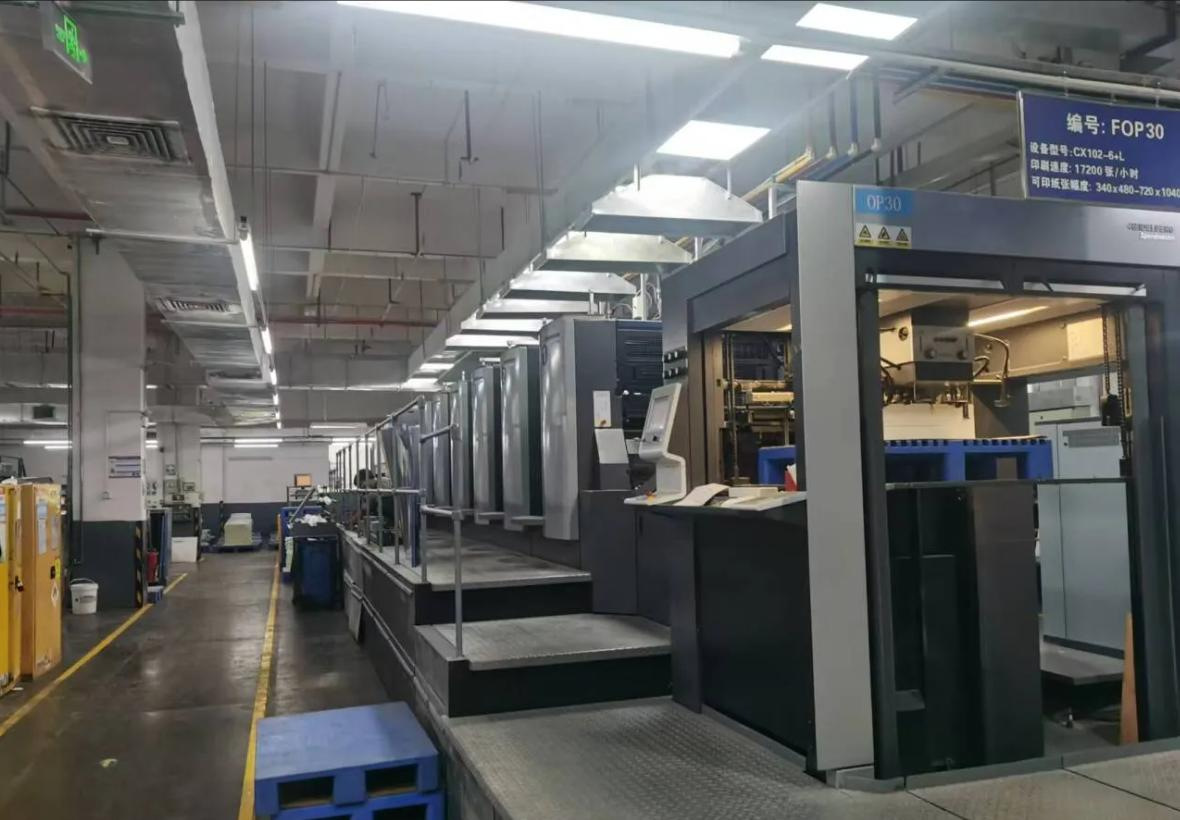
The production system described in the supplied product information reflects the setup buyers often evaluate: a large, multi-module machine with enclosed working sections, a front control console, and a raised access platform with handrails. This layout is typical of high-throughput industrial printing lines. It suggests a focus on controlled operation, routine inspection, and safer access to the print section. The exact print technology cannot be confirmed from the image alone, but the factory-line design tells you a lot about the intended use.

CMYK Acrylic Printing: What to Expect from Color Work
CMYK acrylic printing is usually about more than just color count. On a transparent or glossy substrate, the white point, background color, and viewing conditions can all alter how the image is read. Four-color process work can deliver fine detail and broad design flexibility, but it also demands tighter color management than many buyers expect. A bright logo on coated stock is one thing; the same artwork on acrylic can visually shift if the substrate, ink build, or backing method changes.
Buyers should ask whether the print is intended for direct viewing through the acrylic or for reverse-side viewing. That single detail affects artwork preparation, ink sequencing, and the risk of misreading mirrored graphics. If the application is decorative or brand-facing, prepress discipline matters as much as the press itself.
Selection criteria that matter on the factory floor
1. Registration and repeatability
Acrylic parts are not forgiving when edges, logos, or warning text drift out of alignment. Ask for a clear explanation of registration control and how the press handles multi-pass or multi-color work.
2. Surface preparation and adhesion
Ink adhesion on acrylic can vary depending on the sheet finish and cleaning method. Any supplier or line owner who treats this as a minor detail is likely underestimating the risk. Adhesion testing and handling procedures should be part of the discussion, even if the task seems simple.
3. Line layout and operator access
The machine's photo information points to a modular, floor-mounted line with a control station and maintenance platform. This is useful in actual operations because downtime often stems from access problems, not just mechanical faults.
4. Output consistency at volume .
If the job volume is high, the question becomes whether the process remains stable over long runs. This includes color consistency, sheet handling, and the practical issue of whether operators can monitor the line without frequent downtime.
Common buyer mistakes Common purchasing mistakes
The most common mistake is assuming that a printing method proven on paper will transfer neatly to acrylic without adjustment. Another is focusing solely on image quality while ignoring the effects of drying, handling , and downstream fabrication. A third, more expensive mistake is failing to define the viewing side of the part before artwork approval. Once tooling and prepress are finalized, reversing that decision is troublesome and costly.
Practical questions to ask a supplier
Before you sign off on a run, ask about the substrate range the process is intended for, how the line supports color control, and whether the factory has a stable method for handling rigid sheets. If the supplier references Heidelberg Printing or another established offset platform, ask for the actual production workflow, not just the machine name. The best answer is usually specific: feed method, inspection steps, cleaning routine, and how the operator checks registration during a shift.
What benefits does this decision offer you?
If you're evaluating offset printing for acrylic products, this decision is essentially about risk management in a production environment. You want a process that produces sharp graphics, maintains consistent scale, and handles the realities of rigid plastic sheets. The right setup supports a professional finish for industrial signage, display parts, and branded components. The wrong setup can create costly rework that seems avoidable in hindsight.
For teams planning a new acrylic print program, the next step is usually a pilot run with clearly defined artwork orientation, substrate type, and acceptance criteria. That's where the process stops being theoretical and begins answering the only question that matters: will it hold up in your operation?