
Offset Printing for Acrylic Products: What Buyers Should Know Before They Commit
Offset printing for acrylic products is one of those phrases that sounds straightforward until a buyer has to specify the job. Acrylic can look simple on a screen, but once you move into production, the details start to matter fast: surface adhesion, color consistency, edge finish, registration, and whether the piece is meant to be handled daily or simply displayed. For sourcing managers and product teams, the real question is not whether the artwork looks good in a mockup. It is whether the chosen print method will hold up on the actual acrylic part, at the intended volume, with acceptable scrap and rework.
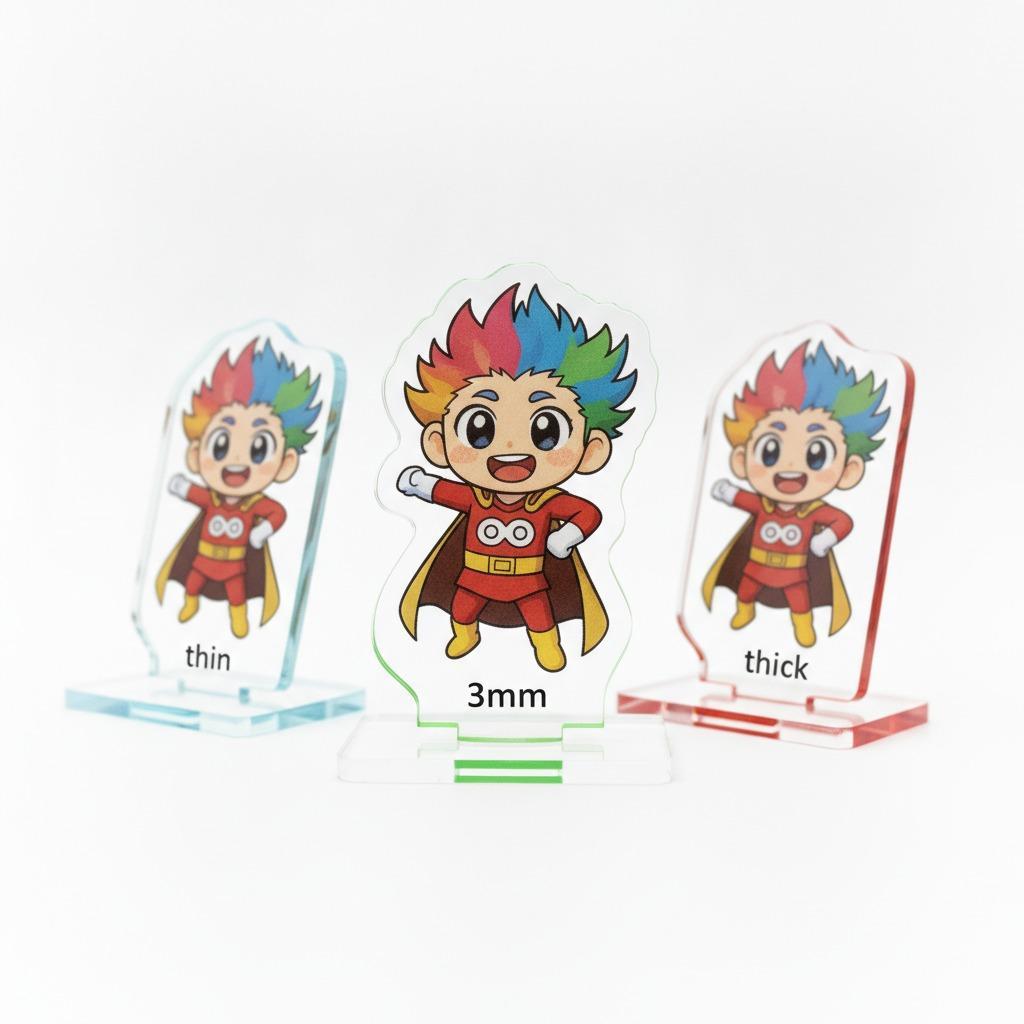
Acrylic is used across retail displays, signage, collectibles, and promotional goods, and it also shows up in smaller consumer items such as acrylic card printing and character keychains. In that environment, buyers often compare offset printing, UV printing, screen printing, and other decoration methods without fully mapping the choice to the end use. That is where mistakes happen. A process that works well on paper or cardboard may not be the best fit for a rigid plastic substrate, especially when the product will be cut, drilled, assembled, or carried around in a bag every day.
Why the Printing Method Matters on Acrylic
Acrylic is visually attractive because it is smooth, glossy, and dimensionally stable compared with many flexible plastics. But it also asks more from the print system. Ink adhesion, curing, and surface preparation all influence whether the graphic stays sharp or starts to wear at the edges.
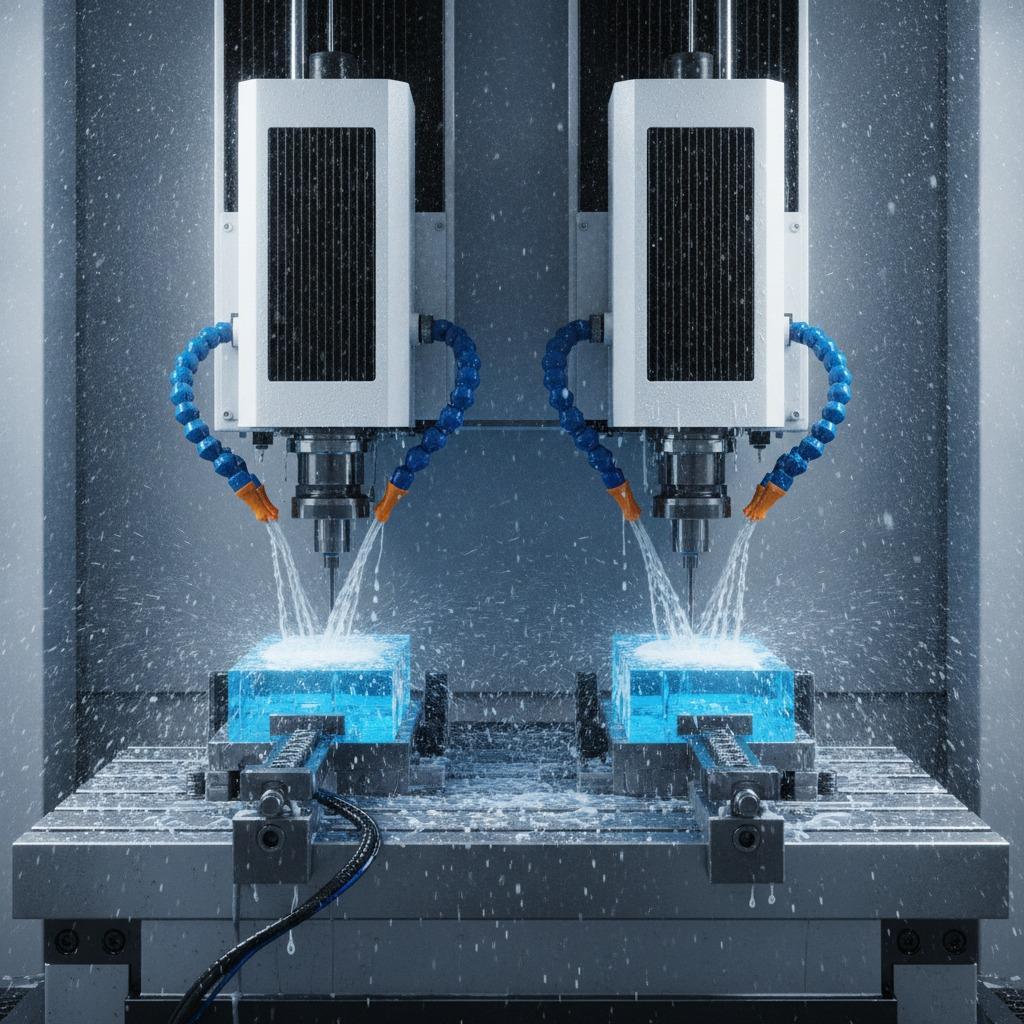
Offset printing is generally associated with flat, high-volume graphic production, so when it is discussed in the context of acrylic products, the buyer should pause and ask what exactly is being printed: a flat acrylic sheet, a coated panel, a decorated insert, or a composite product with an acrylic face. In some factory setups, the production line may combine printing, coating, drying, and finishing in a controlled environment. You may see temperature, humidity, pH, or similar process data monitored overhead, which suggests the plant is trying to keep conditions stable. That kind of control matters more than people think, especially for consistent color and surface quality.
Offset Printing, UV Printing, and the Acrylic Question
For acrylic goods, the selection usually comes down to production volume, visual complexity, and the structure of the part.
Offset printing
Offset printing can be attractive when a project needs efficient repeatability on flat surfaces and strong image quality at scale. It is often discussed for high-volume jobs where the artwork is standardized and the workflow is optimized around sheet-fed production. The caution is that acrylic is not paper. If the process is not designed for plastic substrates, the buyer may face adhesion or handling problems later in the chain.
CMYK acrylic printing
CMYK acrylic printing is commonly used when full-color graphics must be reproduced on clear or translucent acrylic. This is a practical option for items where color layering and visual depth matter, such as displays or character goods. Clear acrylic can create a floating effect behind the print, which is one reason it shows up so often in anime merchandise printing.
UV printing and contour cutting
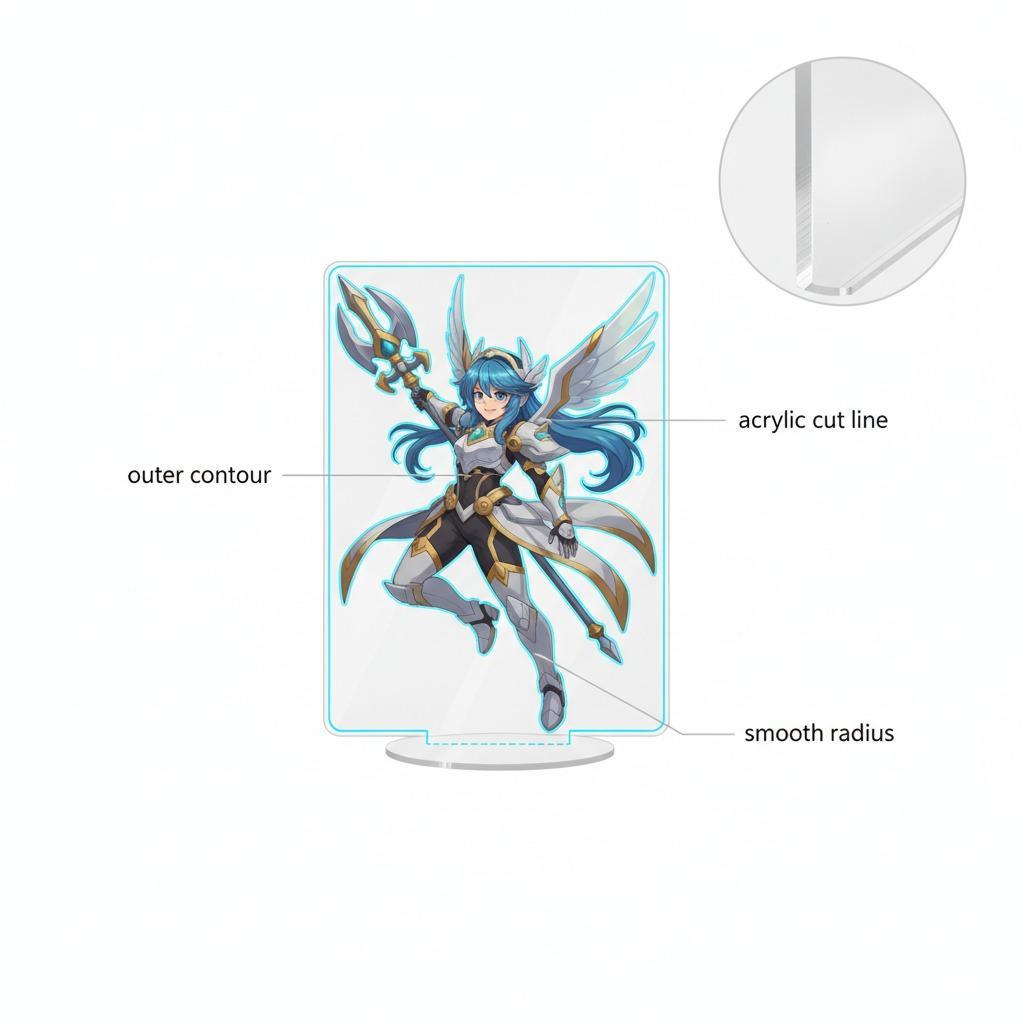
For smaller products like a clear acrylic character keychain or bag charm, UV printing plus contour cutting is often the more obvious route. The artwork can be printed directly on the acrylic surface and then cut to shape, producing the outline effect buyers expect from fan merchandise and souvenir items. Metal hardware is then assembled afterward, usually with a split ring, swivel connector, or lobster clasp.
How to Specify the Job Without Guesswork
The most useful buyer brief is not a paragraph about “high quality.” It is a set of production decisions.
Start with the substrate: clear acrylic, semi-transparent acrylic, or opaque material with an acrylic-facing layer. Then define the print location: front only, back print, or layered decoration. If the item will be handled constantly, ask how the surface will resist abrasion and whether the printed area needs protection from rubbing against keys, bags, or zipper pulls.
Next, decide on the visual effect. A transparent border can make the illustration feel lighter and more premium, but it also leaves less margin for registration error. That matters on small items, where a slight shift is easy to notice.
Finally, confirm the finishing sequence. If the product needs drilling, eyelets, grommets, or metal attachment points, the print should be planned around those features. On a small accessory, a misplaced hole can throw off the balance of the whole piece.
Common Buyer Mistakes
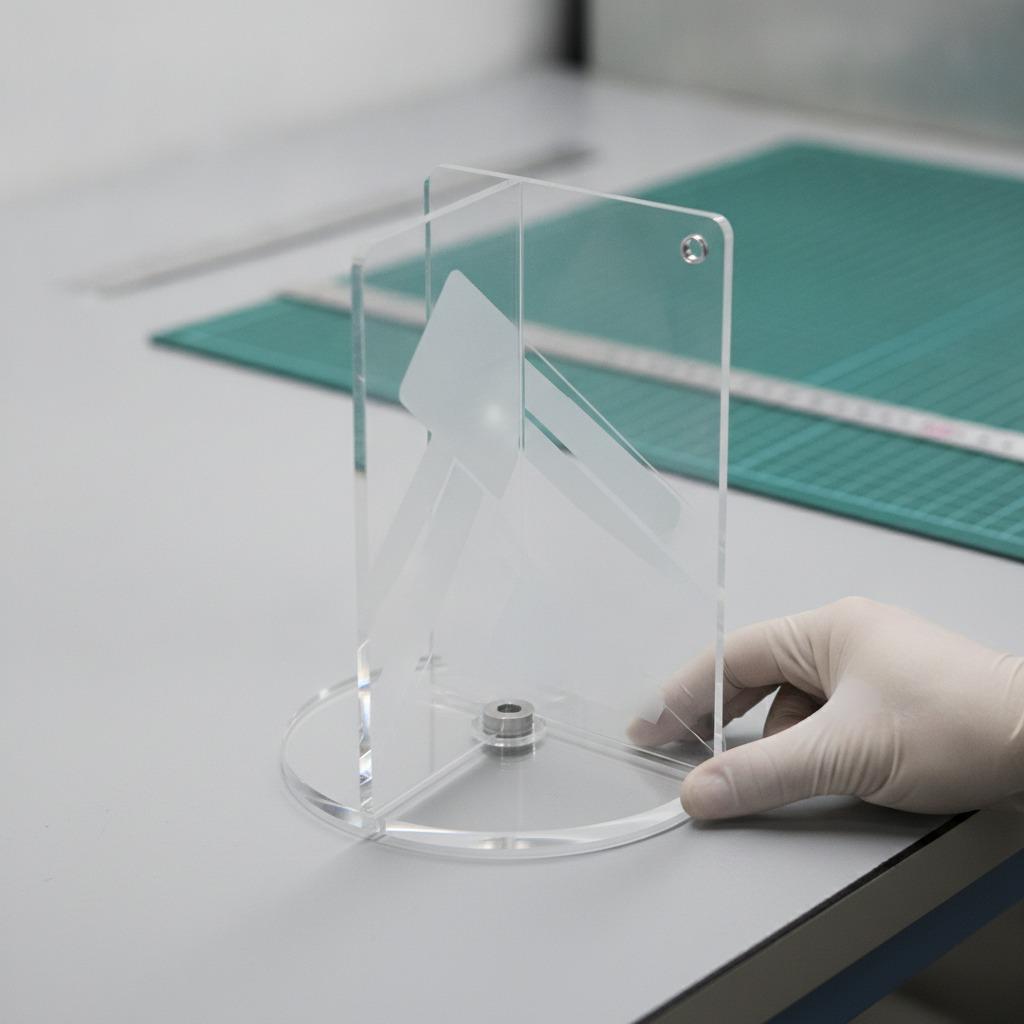
One common mistake is choosing a print method based on image quality alone. Another is forgetting that acrylic products are often judged in hand, not just under a light box. Gloss level, edge polish, and hardware quality all influence the perceived value.
A practical warning: do not assume all acrylic decorations are built for the same use case. A display piece, an event giveaway, and a daily-use bag charm can require very different durability decisions. Also, if the artwork is licensed, custom, or fan-based, confirm rights before production. That should sound obvious, but it is often where a project gets delayed.
What to Ask a Supplier
Before placing a run, ask for the production sequence, the print method matched to the acrylic type, and the finishing steps after printing. Request sample photos or physical samples if possible, especially for transparent products where color can shift on the substrate. If the supplier operates a multi-section production line with monitored process conditions, that may be a good sign of control, but it is still worth asking how they check consistency from batch to batch.
For acrylic card printing, anime merchandise printing, or custom keychains, the same rule applies: choose the process that fits the object, not the other way around.
Next Step for Buyers
If you are comparing offset printing for acrylic products against UV or screen options, build a short spec sheet first: material, size, artwork coverage, hardware, use case, and expected handling. With that in hand, a supplier can tell you much faster whether offset is suitable, or whether another process will be safer and more economical for your product line.