
Why buyers keep sourcing anime acrylic keychains from custom manufacturers

ACustom Anime Acrylic Keychain Manufacturersits in a very practical corner of the merch world: small-ticket, visually driven, and hard to get wrong until the details start to matter. For sourcing managers, event teams, and product developers, the appeal is obvious. Acrylic character keychains and bag charms are light, easy to ship, and friendly to full-color artwork, which makes them useful for fan merchandise, retail add-ons, souvenir programs, and giveaway campaigns.
The catch is that not every supplier who can print on acrylic can deliver a product that actually looks good in hand. Gloss, edge finish, hardware quality, color accuracy, and cut precision all affect whether a charm feels like a collectible or a throwaway trinket. That difference matters more than it sounds, especially when buyers are trying to protect brand image or support licensed-style character artwork.
What the product usually includes
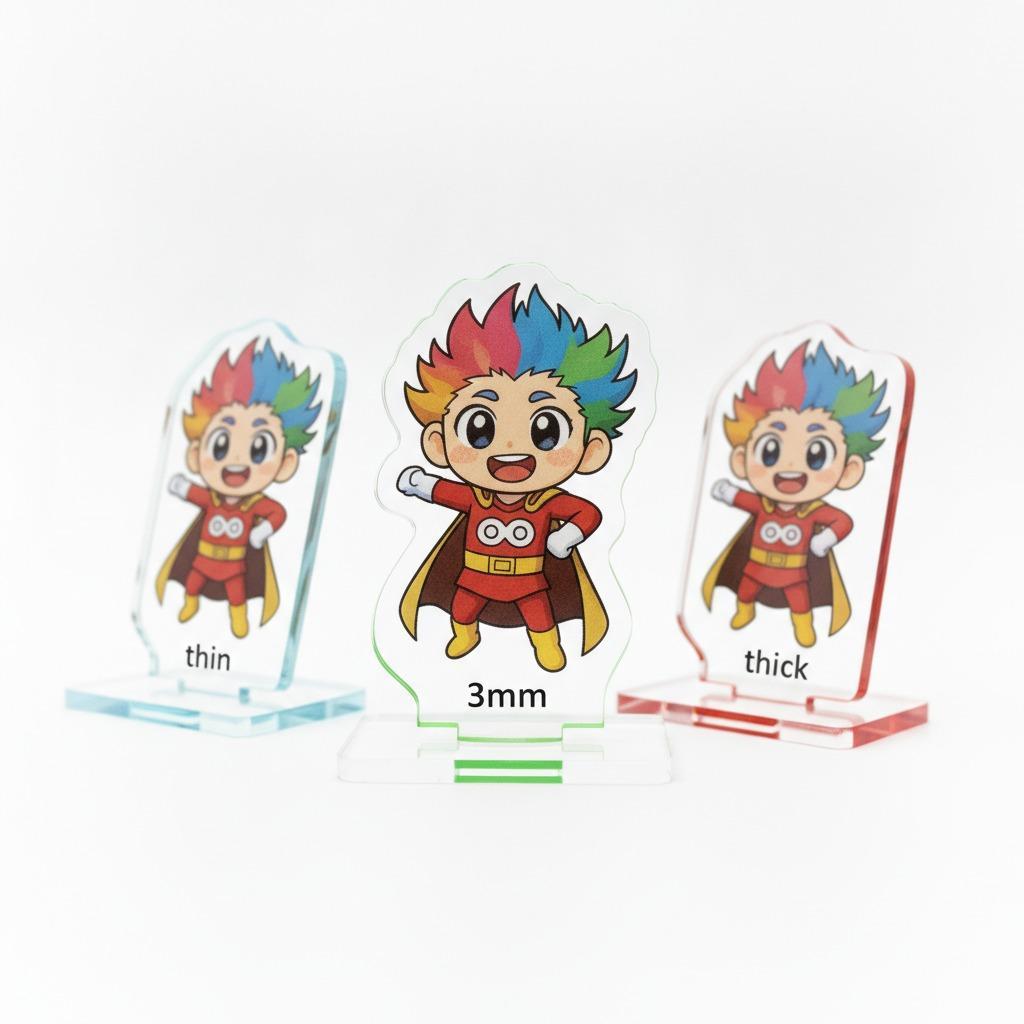
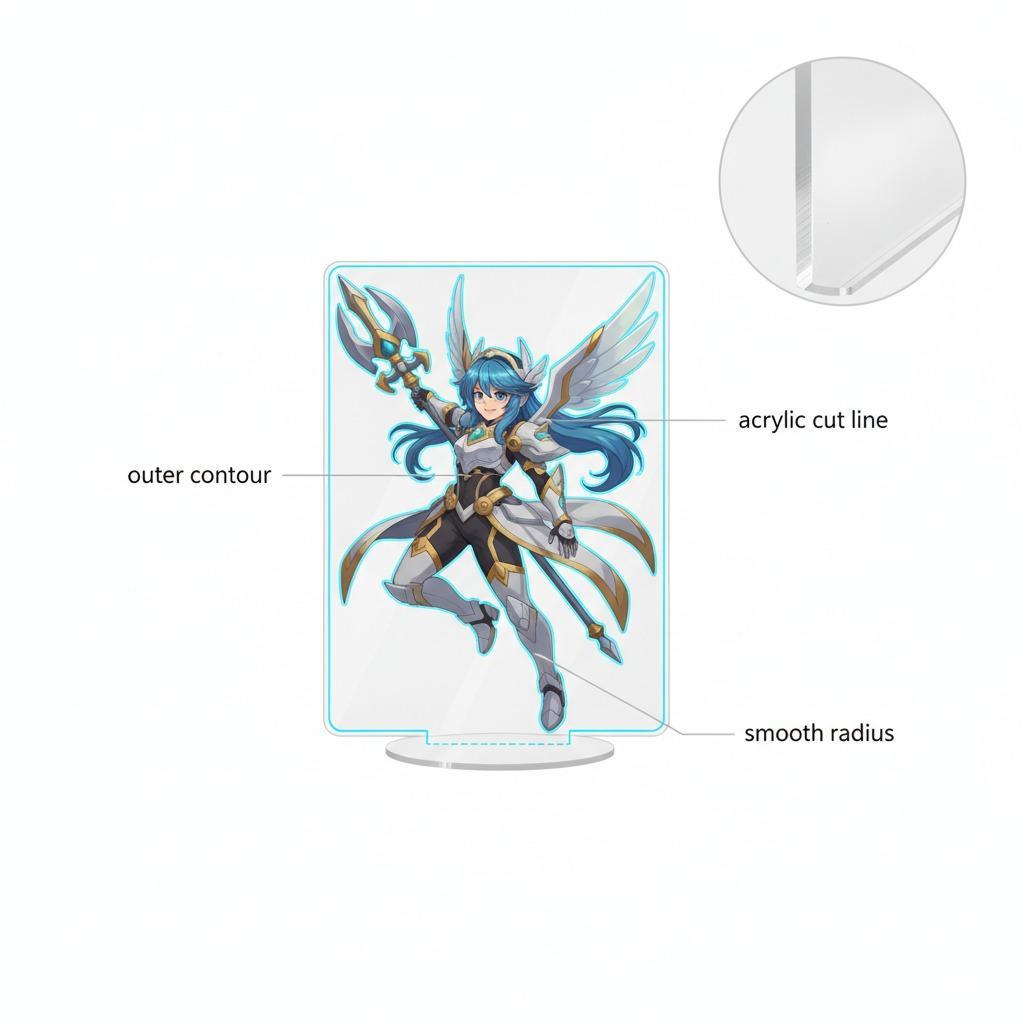
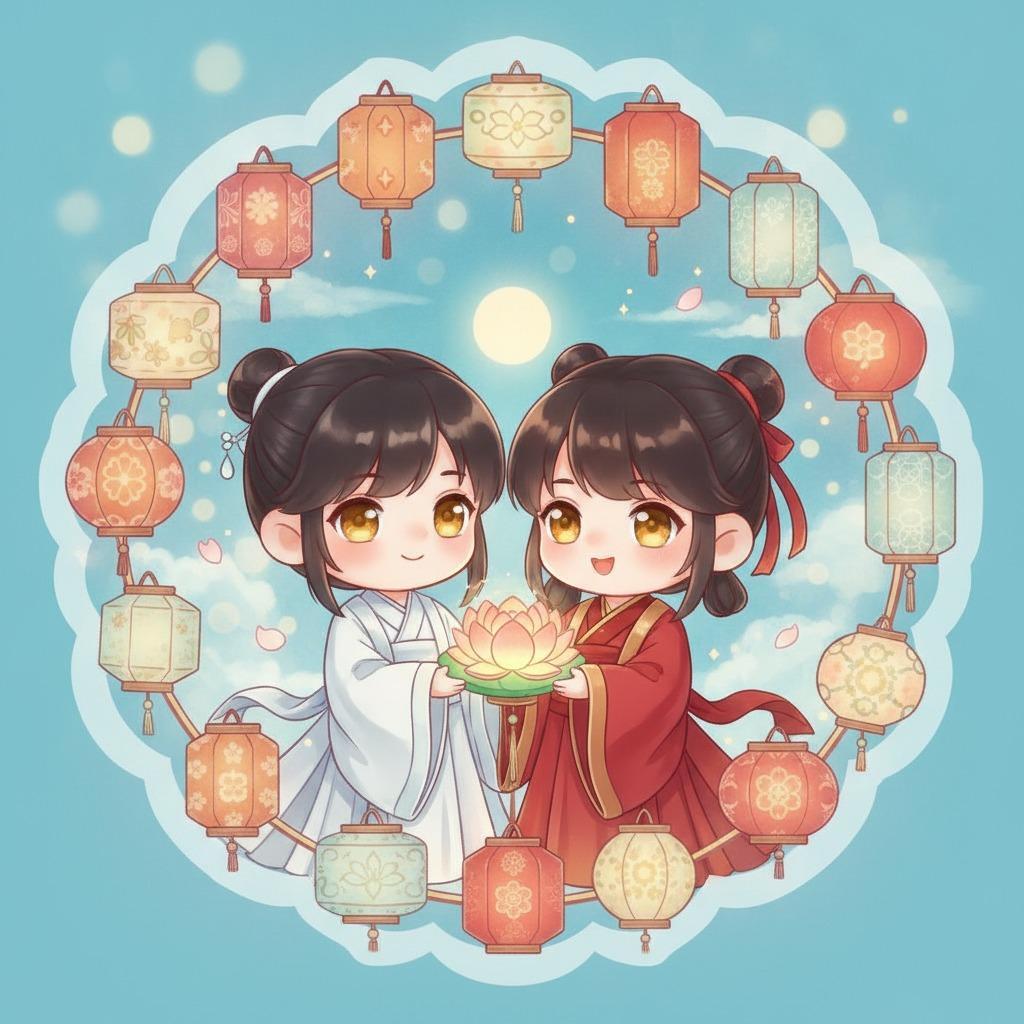
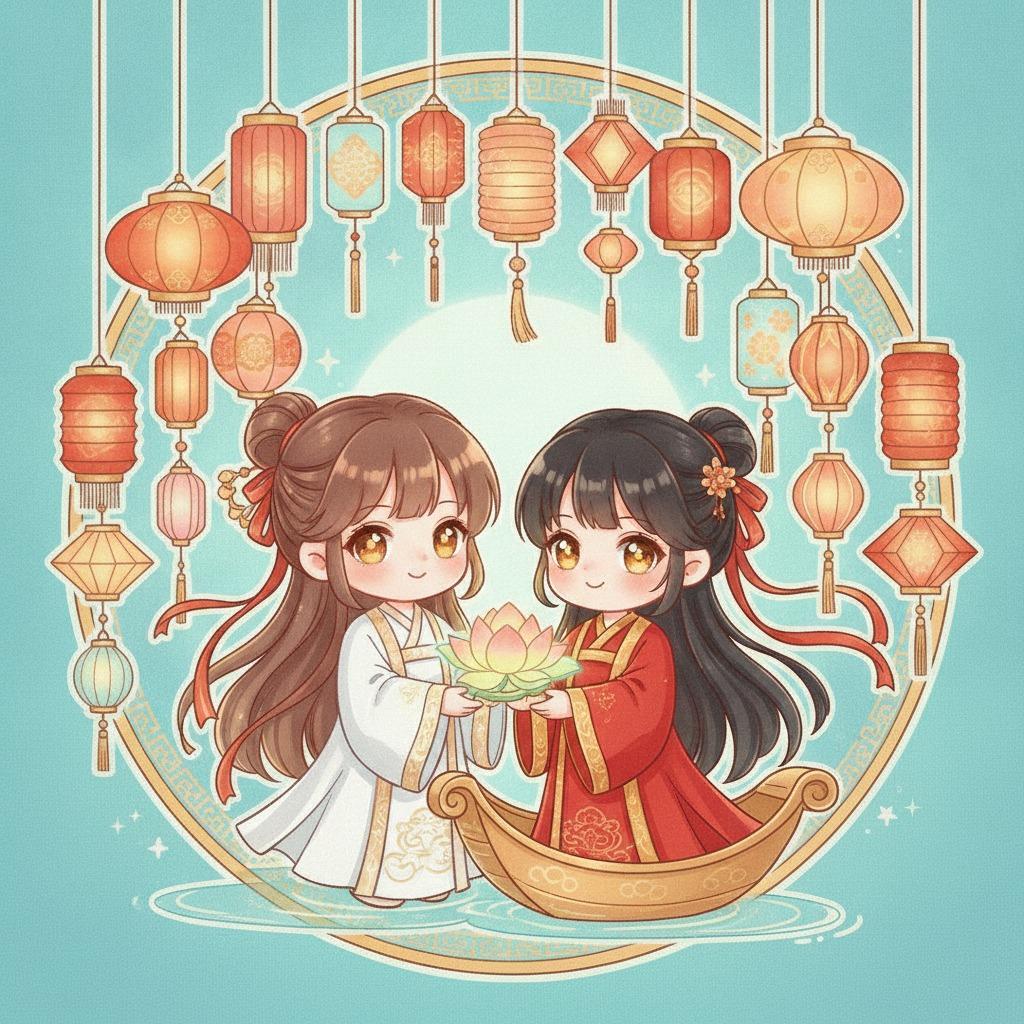
The common structure is straightforward: a printed clear acrylic body with a smooth, glossy surface, paired with shiny silver-tone hardware such as a lobster clasp and jump ring. In the versions buyers usually evaluate, the acrylic piece carries full-color anime or chibi-style illustration, often as a single character or paired design, and the shape is laser-cut or die-cut to follow the artwork.
That combination gives the item three jobs at once. It carries the graphic, it hangs easily from a bag or key set, and it acts as a small display piece. In merchandising terms, that is useful because one SKU can work across several channels: retail, convention booths, blind-box style programs, and gift-with-purchase campaigns.
Key manufacturing points to watch
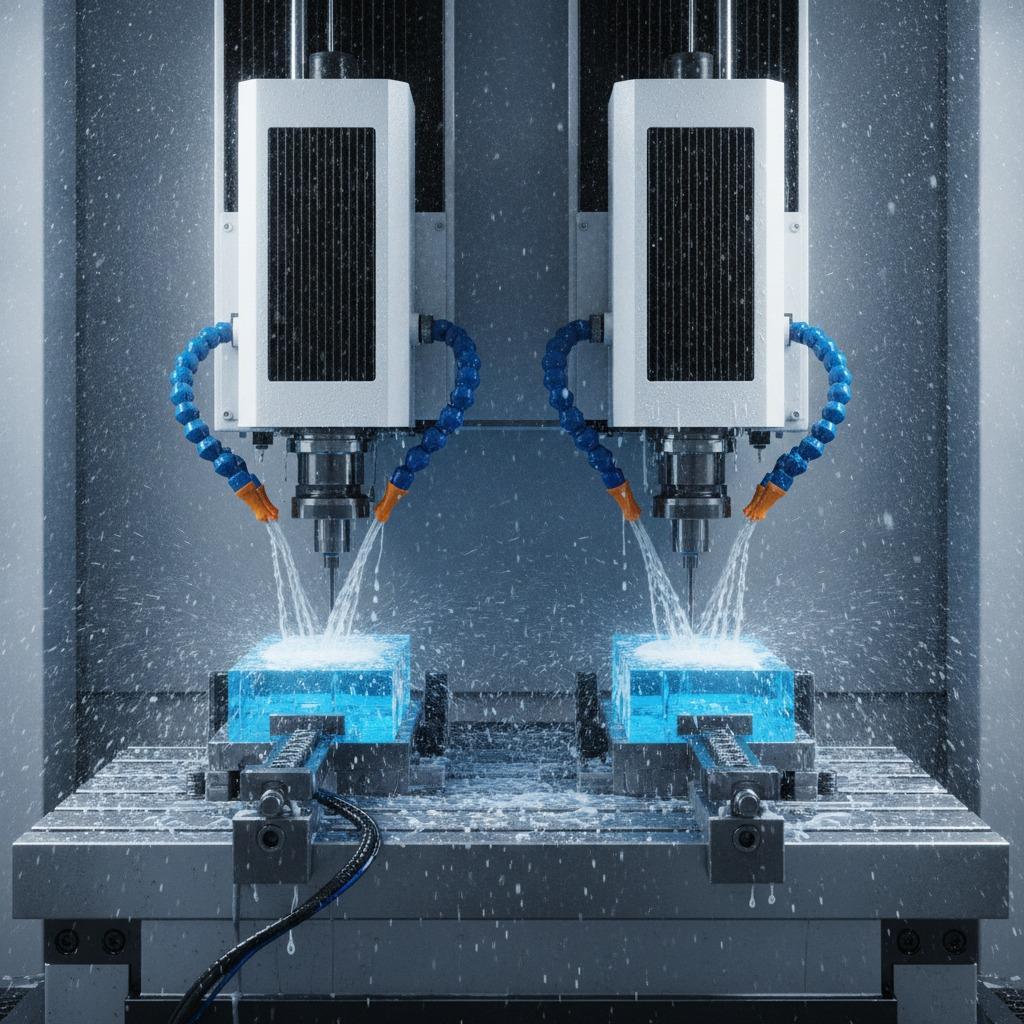
The likely process is UV printing on acrylic followed by cutting and assembly with metal hardware. That is the standard route for this type of product, though the exact method will depend on the factory’s equipment and workflow.
Buyers should pay attention to a few things that often get overlooked:
The printed image should hold detail cleanly, especially in facial features, line art, and small text. Anime merchandise tends to expose weak print resolution fast.
The cut edge should be smooth and even. Rough edges or cloudy sidewalls can make a compact item look cheap.
Hardware needs to match the use case. A lobster clasp is convenient for bags and accessories, while a simple ring may suit key organization better. If the clasp feels flimsy, the whole product suffers.
For display-oriented SKUs, clarity and gloss become part of the value proposition. For heavier daily-use charms, buyers may care more about hardware strength than visual sparkle. That tradeoff is worth discussing early with the supplier instead of after samples arrive.
Selection criteria for sourcing teams
When comparing manufacturers, it helps to separate art quality from production quality. A good illustration file does not guarantee a good finished charm.
Here is the practical shortlist:
- Print fidelity: Does the factory reproduce small details and saturated colors cleanly?
- Cut accuracy: Are complex silhouettes handled without distortion?
- Surface finish: Is the acrylic glossy and visually clean, or hazy and scuffed?
- Hardware consistency: Are clasp and ring finishes uniform across the run?
- Assembly neatness: Are the joins tight, with no obvious misalignment?
One caution that buyers sometimes learn too late: very intricate artwork does not always translate well to a tiny acrylic format. Thin outlines, tiny gradients, and dense backgrounds can look crowded once reduced to keychain size. It is usually better to simplify slightly than to insist on every pixel.
Common buying mistakes
The most common mistake is treating all acrylic charms as interchangeable. They are not. A souvenir piece for a tourist shop can tolerate a different finish level than a collector-facing anime merch item.
Another issue is overlooking the packaging question. Even when packaging is not part of the core product spec, it can shape perceived value. A bare charm in a bulk carton and a charm presented on a printed card do not land the same way at retail. If packaging matters, bring it up early.
A third mistake is failing to confirm whether the artwork is officially licensed. That is not something a supplier can safely assume, and buyers should sort rights and approvals before production, not during it.
What this product is best for
A custom acrylic anime keychain makes sense when the buyer wants a compact item with strong visual identity and low shipping burden. It works especially well for conventions, fan shops, promotional drops, and accessory lines where character art is the main selling point.
It is less suitable when the brand needs a premium tactile object or a hard-wearing utility item. Acrylic can look sharp, but it is still a lightweight decorative format. That is not a flaw; it just means the buyer should match the product to the channel honestly.
Questions to ask before requesting a sample
Ask how the artwork will be printed, how the edges will be finished, what hardware options are available, and whether the clasp style can be changed for different use cases. If the factory can show a recent sample with similar artwork density, that is often more useful than a generic catalog photo.
You should also ask what part of the design is most vulnerable during production. A decent manufacturer will tell you where problems usually show up, whether that is thin cut lines, small text, or color shifts on transparent acrylic.
Next step for buyers
If you are comparing a Custom Anime Acrylic Keychain Manufacturer against other merch suppliers, start with the artwork, then the cut quality, then the hardware. That order saves time. It also keeps the discussion focused on what actually affects sell-through, not just what looks good on a quotation sheet.
For teams building fan merchandise or event giveaways, the best next move is usually a sample request with one or two simplified art variants. That gives you a clearer read on print quality, edge finish, and assembly before you commit to a larger run.