
Why UV Printing Acrylic Gets So Much Attention
UV Printing Acrylic has become a practical choice for shops that need sharp graphics on rigid panels without waiting around for long drying times. That matters more than it sounds. When a sign, display, or decorative panel has to move quickly from design to installation, instant curing can keep a production schedule from drifting. Acrylic also has the kind of clean surface that rewards precise printing, so the finished part can look crisp and deliberate rather than merely coated.
For sourcing teams and product developers, the real question is not whether UV printing can work on acrylic. It usually can, with the right setup. The question is whether the process fits the job: the look required, the handling stress the part will face, and the volume you need to produce. A flatbed UV inkjet printer is often the machine behind this workflow, especially when the job involves rigid sheets, panels, or other semi-rigid materials that need direct-to-substrate printing.
What The Process Is Doing
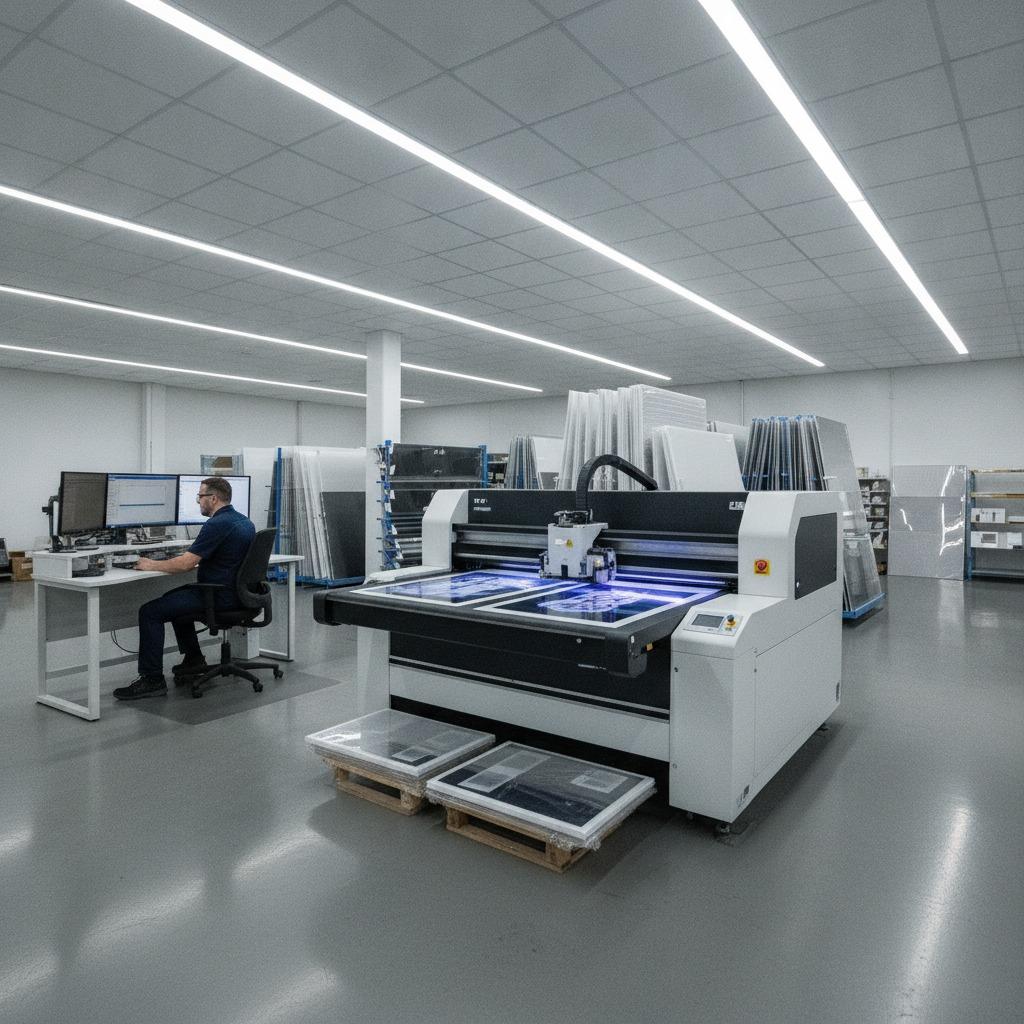
In a typical flatbed UV setup, the acrylic sheet sits on a horizontal bed while a moving print carriage lays down the image. A UV light source near the print zone cures the ink almost immediately. That fast cure is a major reason the method is favored for production work: the printed part can usually be handled sooner than a traditionally dried piece. In a busy shop, that difference affects everything from floor space to scheduling discipline.
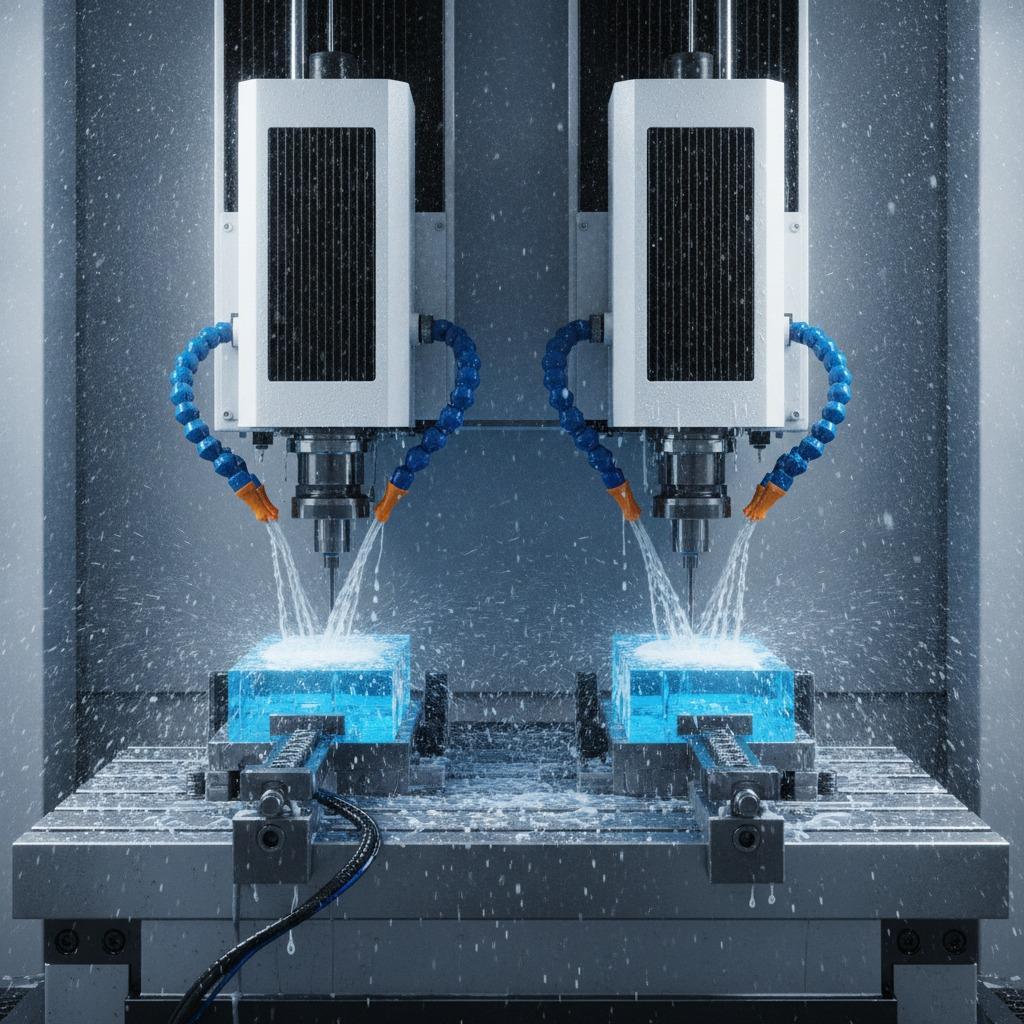
The machine described here appears to use a large flat print bed, a long gantry or rail assembly, and an enclosed or semi-open print area with operator workstations nearby. That layout suggests a production-minded environment rather than a hobby bench. For buyers, that is a useful clue. If the work involves repeated short runs, frequent file changes, or multiple panels in a shift, the machine setup matters almost as much as the ink itself.
Where Acrylic Printing Works Best
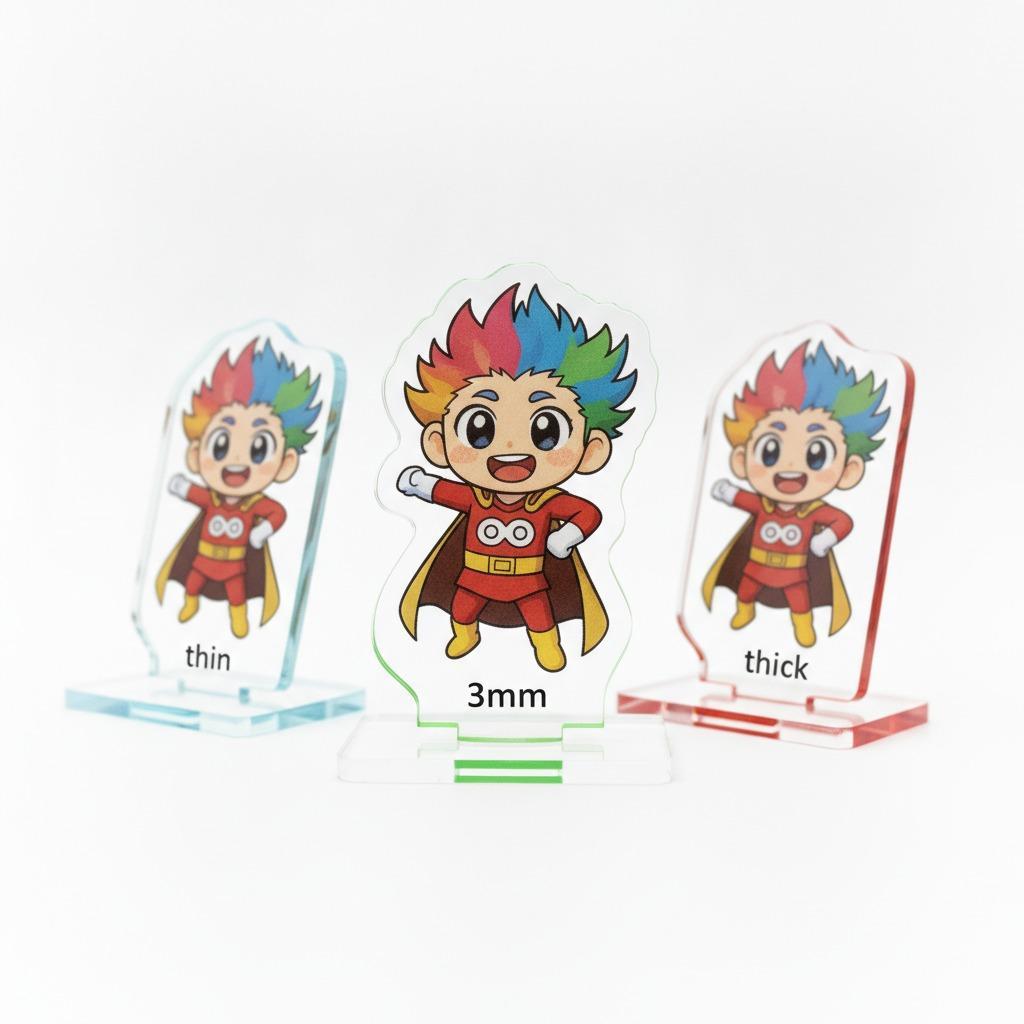
Acrylic is often chosen for signage, advertising boards, display panels, decorative sheets, and customized rigid products. Those are not niche uses anymore; they are the everyday jobs that keep a sign or display shop moving. Printed acrylic can be used for lightboxes, branded retail panels, point-of-purchase displays, and interior décor pieces where surface clarity matters.
The appeal is straightforward. Acrylic has a polished, modern look, and direct UV printing can add color without forcing the manufacturer to introduce a separate label, laminate, or mounted graphic layer. That can simplify part count, though not every job benefits from that simplification. If the panel will see heavy abrasion, repeated cleaning, or outdoor exposure, buyers should ask how the print will be protected in real use. That is one of those unglamorous questions that saves money later.
What To Look For In A Production Setup
Not every UV printer is equally comfortable with acrylic work. Buyers should look past the headline and focus on the workflow. A sturdy flatbed layout helps with sheet handling. Stable rails and a well-controlled carriage matter when registration and repeatability count. Integrated computer or control stations are also useful in production, especially when operators need to monitor jobs without walking back and forth between tools and screens.
It is also worth asking how the printer handles the practical side of the job. Can the bed support the sizes you actually buy? Is the system designed for rigid material placement and repeatability? Does the machine layout allow safe loading and unloading without slowing the line? These are ordinary questions, but they separate a machine that looks impressive from one that quietly earns its keep.
Selection Criteria That Usually Matter
Start with substrate compatibility, then move to image quality, throughput, and serviceability. If the acrylic parts are decorative, consistent color and edge-to-edge registration may matter more than raw speed. If the job is short-run industrial production, uptime and ease of operator control can matter more than fine-art detail. Either way, the best decision is the one that matches the real workload, not the brochure version of it.
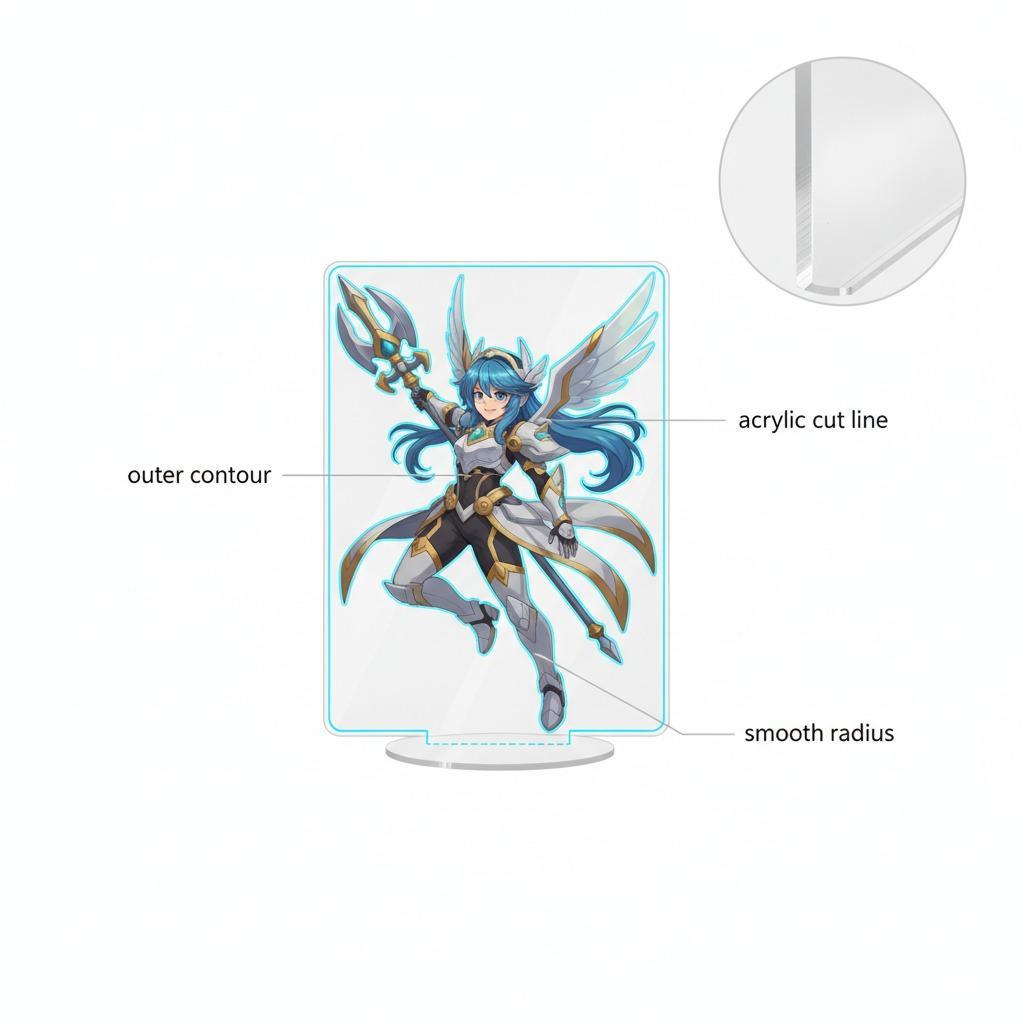
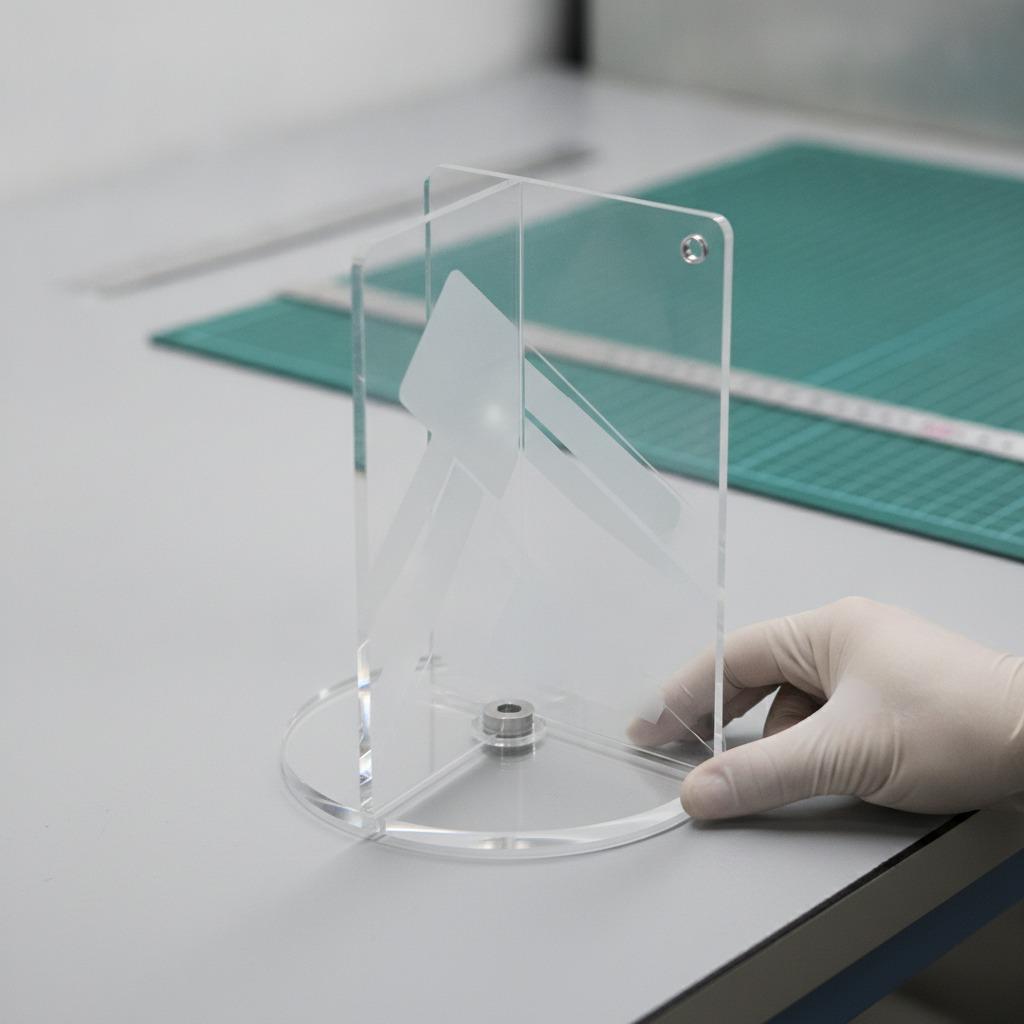
One practical caution: buyers often overfocus on print appearance and underfocus on handling. Acrylic can scratch, and freshly printed parts need sensible workflow discipline even if the ink cures quickly. Racks, gloves, protective film management, and packing method all affect the final result. A good print can still leave the shop looking careless if the finishing process is sloppy.
Common Mistakes Buyers Make
The most common mistake is assuming all acrylic is the same. In practice, surface condition, sheet thickness, and the way the panel will be used can change the outcome. Another mistake is ignoring the production environment. A machine with a large open print bed may be ideal for throughput, but it also asks more of the operator and the shop layout than a compact system would.
Another error is treating UV curing as the whole story. Yes, instant curing is useful. No, it does not automatically solve adhesion, durability, or appearance challenges. Buyers should ask how the printed part will be cleaned, shipped, installed, and maintained. That may sound obvious, yet many procurement problems start with the final step, not the first one.
Practical Advice For Buyers
If you are evaluating UV Printing Acrylic for a product line or a shop upgrade, ask for sample parts that resemble your actual work. A small test on a generic sheet rarely tells the full story. Look at edge quality, color consistency, handling resistance, and how the part behaves after curing. If the supplier cannot speak clearly about the production workflow, that is worth noting.
It also helps to think about job mix. A machine suited to advertising boards may also handle decorative panels, but that does not mean it will be ideal for every rigid product category. The best purchases are usually the boring ones: equipment that fits the most common jobs well, rather than the most dramatic job once a month.
FAQ
Is UV printing on acrylic mainly for signs? No. Signs are a common use, but the process also fits display panels, decorative products, and short-run industrial graphics.
Why choose a flatbed UV printer for acrylic? Because the sheet stays stable on the bed while the carriage prints directly onto the surface, and the UV light cures the ink quickly.
Does fast curing replace proper finishing? Not really. It helps production flow, but handling, packaging, and application still matter.
Where The Better Buying Decision Usually Lands
If your operation needs clean graphics on rigid panels, UV Printing Acrylic is worth serious attention. The process is fast, adaptable, and well suited to production environments where turn time matters. But the strongest case is not made by the technology alone. It is made by matching the printer layout, workflow, and handling discipline to the kind of acrylic work you actually sell.
For teams comparing equipment, the next step is simple: review your target panel sizes, run a realistic sample, and examine how the machine fits into the shop floor, not just the spec sheet. That is usually where the best decision becomes obvious.