
Why the Acrylic Keychain Process Matters
The acrylic keychain process looks simple from the outside: a clear shape, a printed graphic, a metal ring, and a finished accessory that ends up on a bag or in a collector’s display. In practice, that small object asks a factory to do several things well at once. The print has to stay crisp on a glossy surface, the edges need to be clean, and the attachment point must survive handling, shipping, and daily use.
That is why buyers should care about the process, not just the artwork. A good design can still fail if the cutting is rough, the print lands out of alignment, or the hardware feels flimsy. For fan merchandise, event giveaways, and character goods, those details decide whether the piece feels collectible or disposable.
What the Finished Piece Suggests
The product here appears to be a clear acrylic accessory with a round, ring-shaped body, a cloud-shaped cutout in the center, and a lavender-purple print with a bow motif and decorative text. The visible metal loop at the bottom suggests it is meant to hang as a keychain charm, bag charm, or display tag. A separate beaded purple strap is included as well, though it is not clear whether it connects to the main piece or serves as an extra accessory.
That kind of build is typical of collectible acrylic goods. The transparent base gives the artwork a light, floating look, while the printed layer provides the personality. It is a practical format for small-batch merchandise because the same core shape can support many designs without changing the whole production line.
A Practical Production Flow
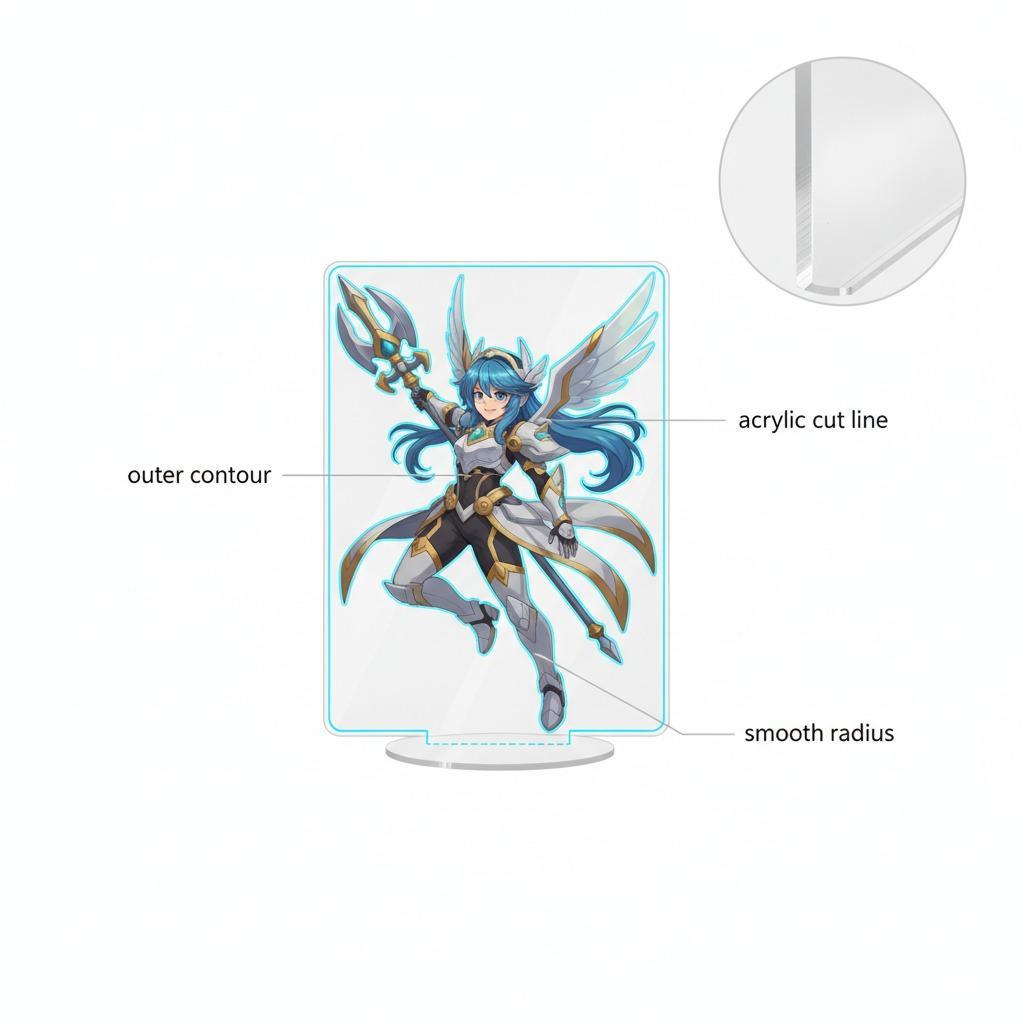
In most shops, the acrylic keychain process starts with artwork preparation. The design has to be laid out with the cut line, print layer, and any cutouts planned in advance. If a shape includes an opening in the middle, like the cloud-shaped center on this item, the factory needs to account for both stability and appearance. Too much open area can weaken the piece; too little can make it visually heavy.
Next comes printing on the acrylic sheet. UV printing is often used for this kind of accessory because it can place color directly onto a flat substrate and cure quickly. The exact method is not confirmed here, but the visible purple graphics and clean surface treatment fit that general approach. After printing, the sheet is cut into its final contour, often with a laser or similar precision cutting step. Clean edges matter more than many buyers expect. A slightly rough edge catches the eye immediately, especially on a clear part that reflects light.
Once the shape is finished, the piece is fitted with hardware. The metal loop or ring gives the keychain its practical function, and any added strap or bead component has to be checked for secure assembly. This is also the stage where factories catch the small things: dust trapped under the film, misregistered print, or a hole that sits too close to a thin edge.
Where Machines Fit Into the Work
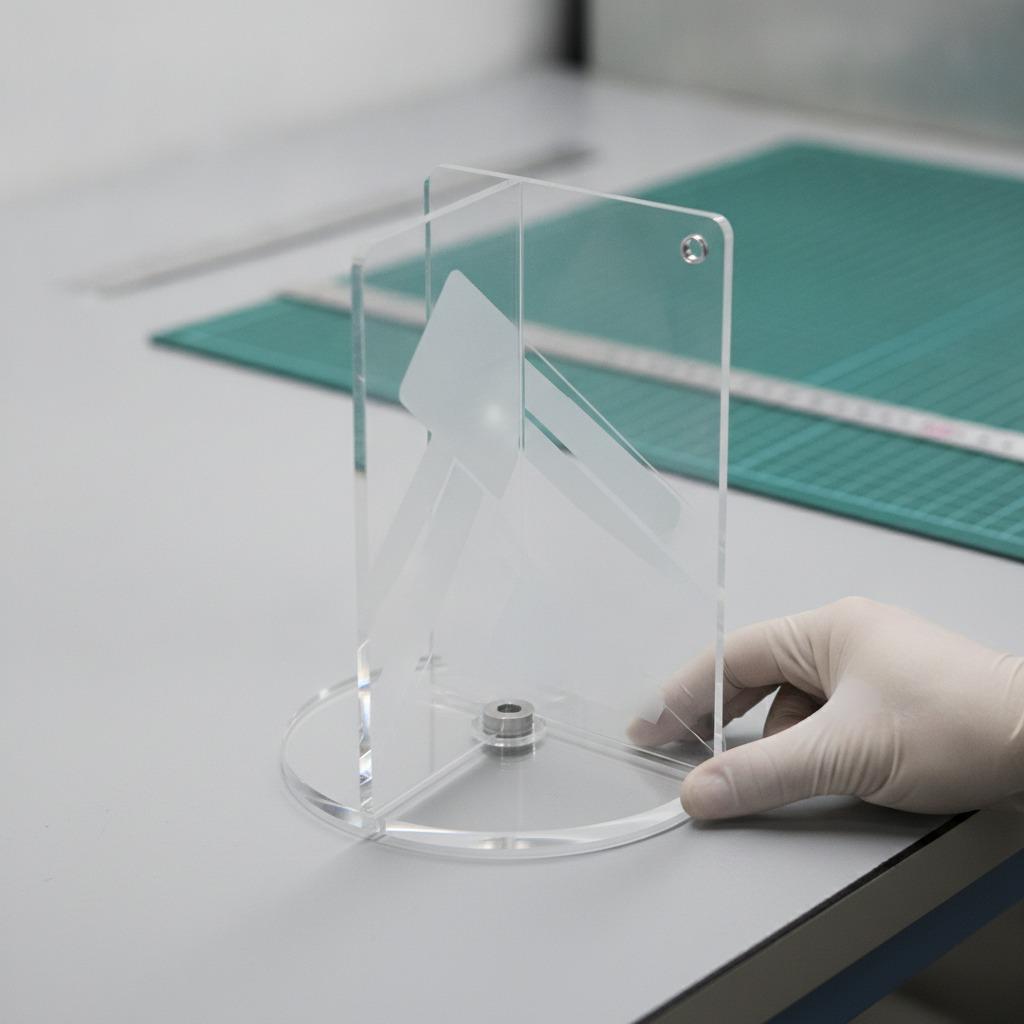
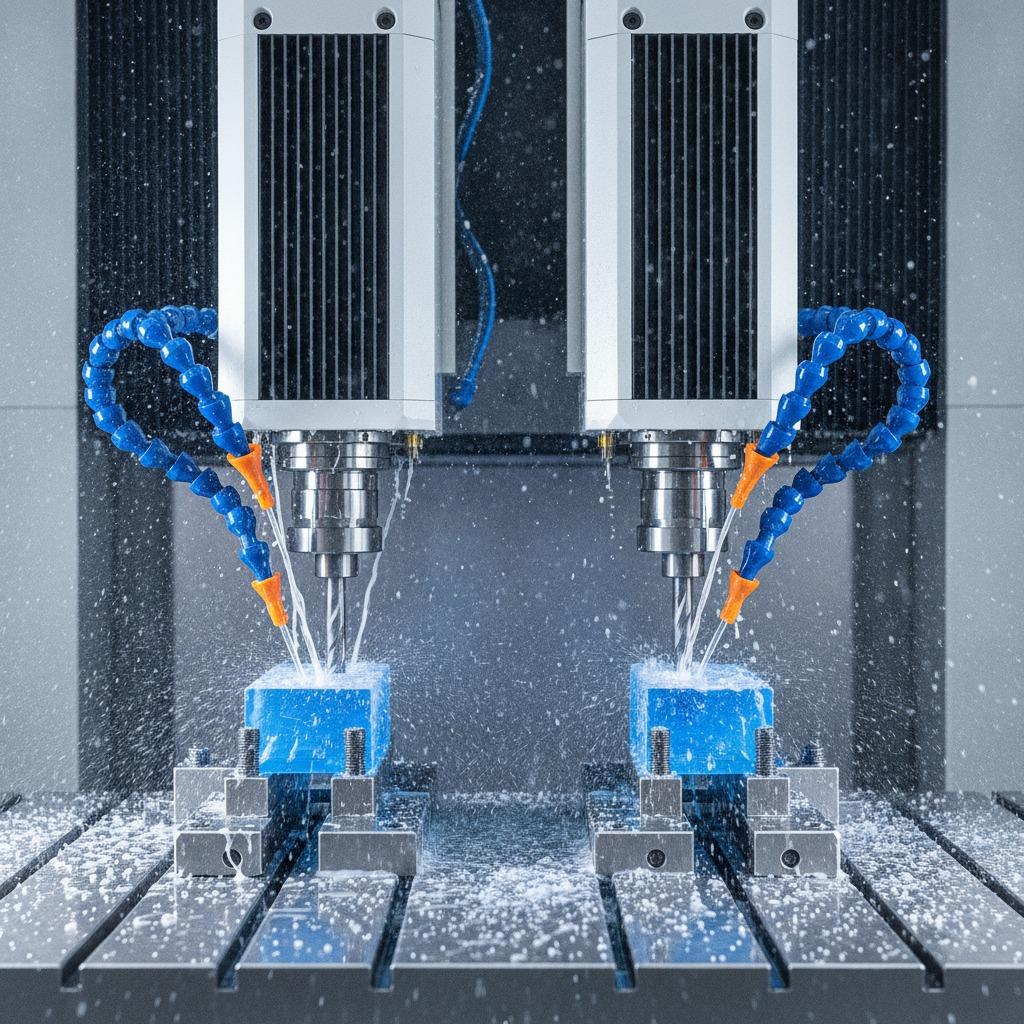
For sheet-based products, automation matters. An enclosed flatbed machine with a touchscreen interface and controlled material feed can help with repeatable print, coating, or dispensing work on flat substrates. That kind of setup is not identical to keychain production, but it shows the same manufacturing logic: stable alignment, clean handling, and consistent placement.
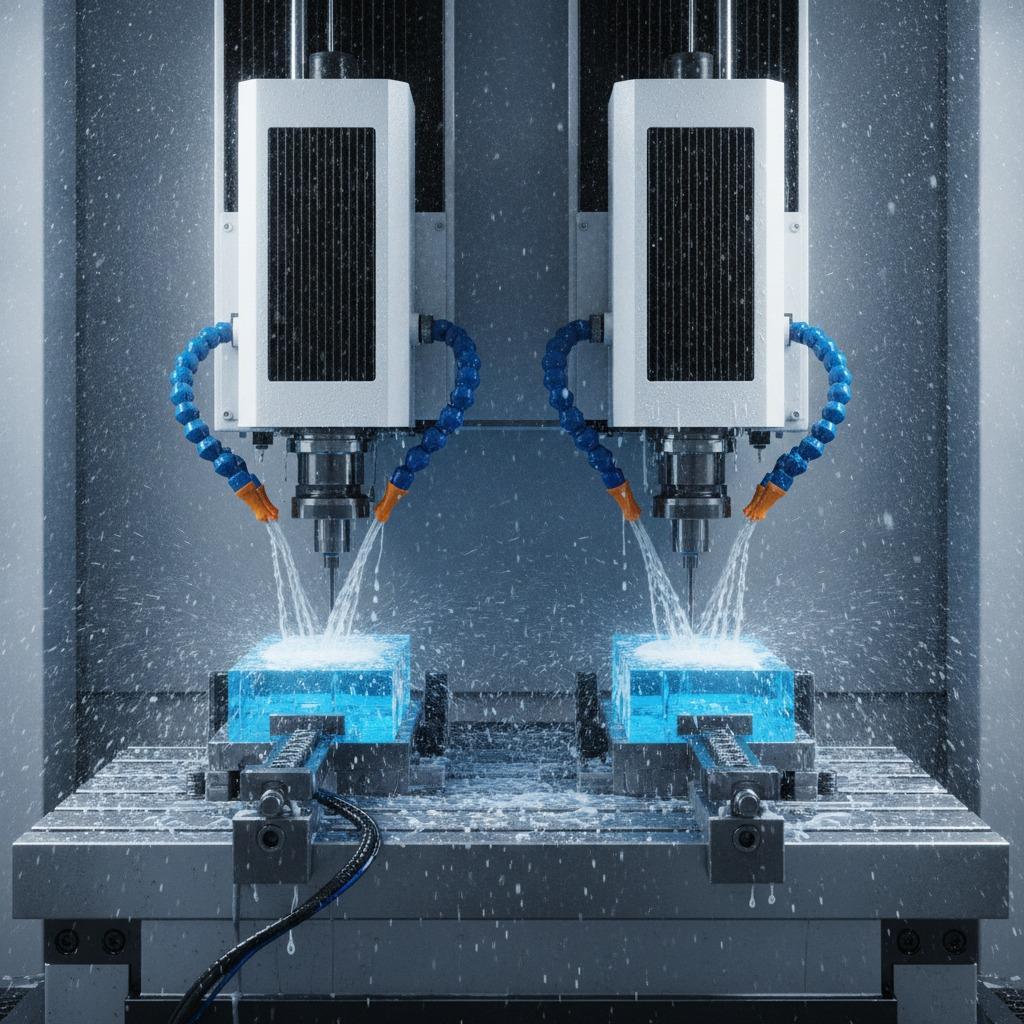
In other parts of the factory, CNC or milling equipment may be used for flat workpieces when precision removal is needed. Again, that is not the only route for acrylic accessories, but it reflects the broader expectation behind this product category. Buyers are usually paying for repeatability, not just decoration. If the production line cannot hold registration or keep edges consistent, the final piece loses value fast.
Selection Points Buyers Should Watch
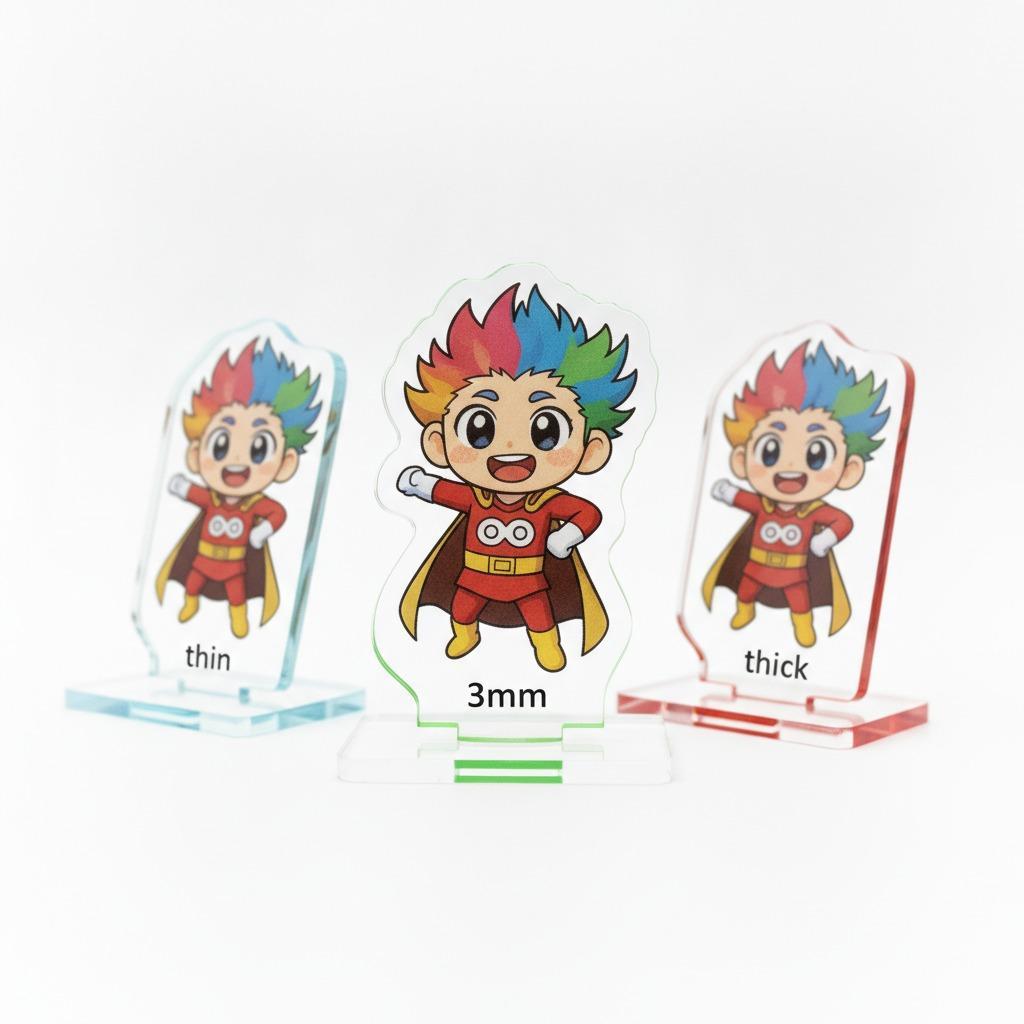
If you are sourcing an acrylic keychain or similar character accessory, start with the obvious question: what is the core visual effect? Transparent base, solid-color backing, double-sided print, or a cutout shape all tell you something about the process and the cost. The clearer and more layered the design, the more attention you should give to print alignment and edge quality.
Hardware is the second check. A small metal ring is inexpensive, but it still needs to feel secure. For bag charms and collectible merch, the attachment often gets more use than the artwork itself. The same goes for any beaded strap or extra accessory packed with the piece. If it looks decorative but not well secured, assume buyers will notice.
Material handling is another quiet issue. Clear acrylic shows fingerprints, scratches, and dust very easily. That means the factory’s packaging and finishing steps matter almost as much as the printing. A beautiful graphic can be ruined by a scuffed surface or a cloudy protective film that was removed too late.
Common Mistakes in Acrylic Keychain Production
One common mistake is overcomplicating the shape. A design with too many small internal cuts can look clever on screen and fragile in hand. Another is using artwork that depends on tiny text or ultra-thin lines. On a small item like this, those details can vanish after cutting or simply become hard to read through clear material.
It is also easy to underestimate how much the attachment point affects the final product. If the ring sits awkwardly, the keychain hangs crooked. That may sound minor, but on a collectible accessory it changes the whole feel. Buyers usually forgive a simple form before they forgive a sloppy assembly.
FAQ for Sourcing Teams
Is UV printing always used?
Not always, but it is a common fit for flat acrylic accessories because it supports color on a smooth surface. The exact process depends on the shop and the artwork requirements.
Can the same piece be used as a keychain and a bag charm?
Yes, often it can. The visible hardware and hanging point usually decide how it is worn, while the design decides how it is perceived.
Should buyers ask about the beaded accessory?
Yes. If a separate strap or bead strand is included, confirm whether it is part of the standard assembly or just packed alongside the main item. That small detail affects both packaging and customer expectations.
A Clear Next Step
If you are comparing suppliers, ask for samples that show the actual acrylic thickness, edge finish, print registration, and hardware attachment. Those four points tell you far more than a polished mockup ever will. For this kind of product, the difference between average and convincing often comes down to how carefully the factory manages the boring steps.
That is the real story behind the acrylic keychain process: a small decorative item only looks effortless when the printing, cutting, assembly, and packaging have all been handled with discipline.