
Mass Production Acrylic: What Buyers Should Know Before Scaling Up
Mass Production Acrylic sounds straightforward until you have to turn a sketch, a fixture concept, or a keychain design into thousands of consistent parts. That is where the real work begins: resin choice, process control, surface quality, packaging, and the unglamorous matter of keeping every batch close to the last one. For sourcing managers and product teams, the question is rarely whether acrylic can be made in volume. It is whether the supplier can hold appearance, dimensions, and throughput together once the order stops being a pilot run and becomes a commercial program.
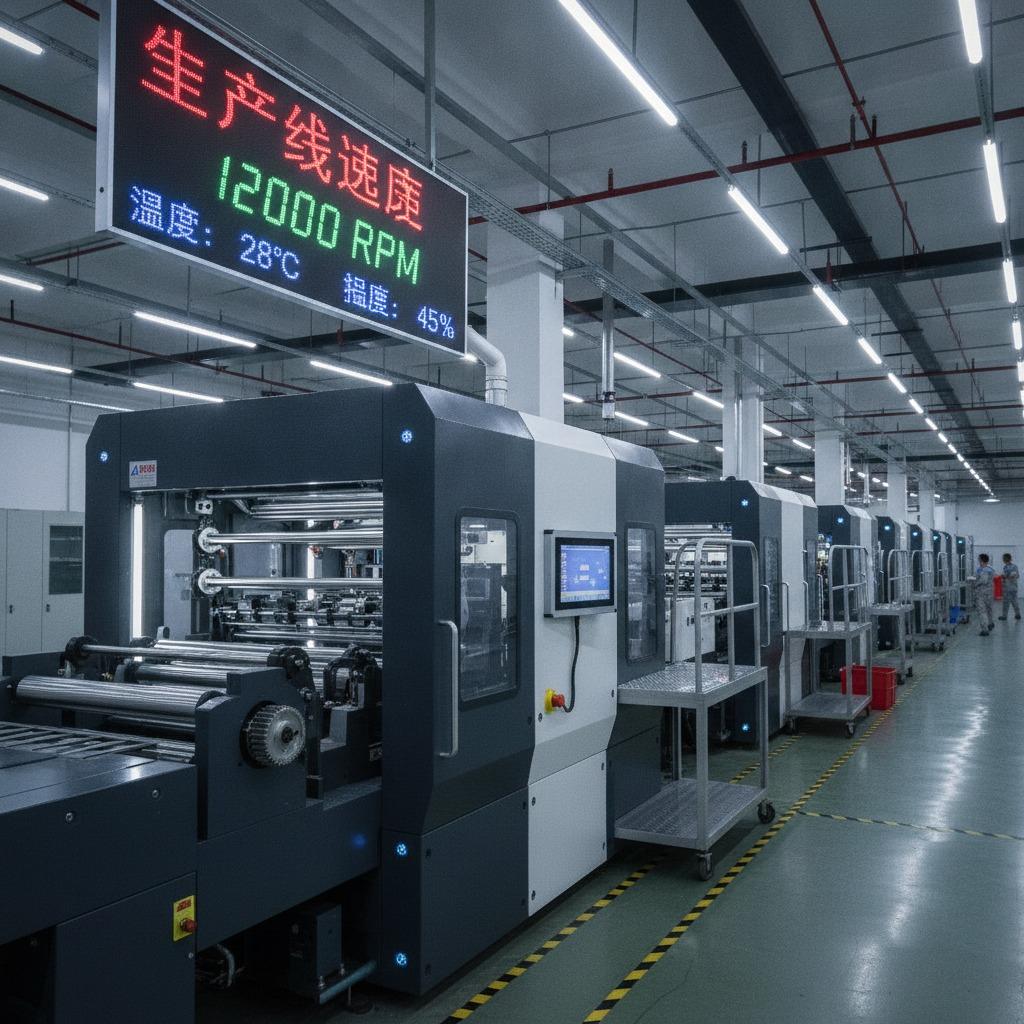
In practice, buyers often compare acrylic production routes much the way they would compare print lines in a factory: not by headline claims, but by how well the equipment, tooling, and workflow support repetitive output. A high-capacity line matters, but so does the operator’s ability to catch drift early. The wrong choice can leave you with cloudy edges, warped pieces, inconsistent drilling, or a finish that looks fine under showroom light and disappointing in a warehouse.
Why Acrylic Scales Well—and Where It Usually Fails
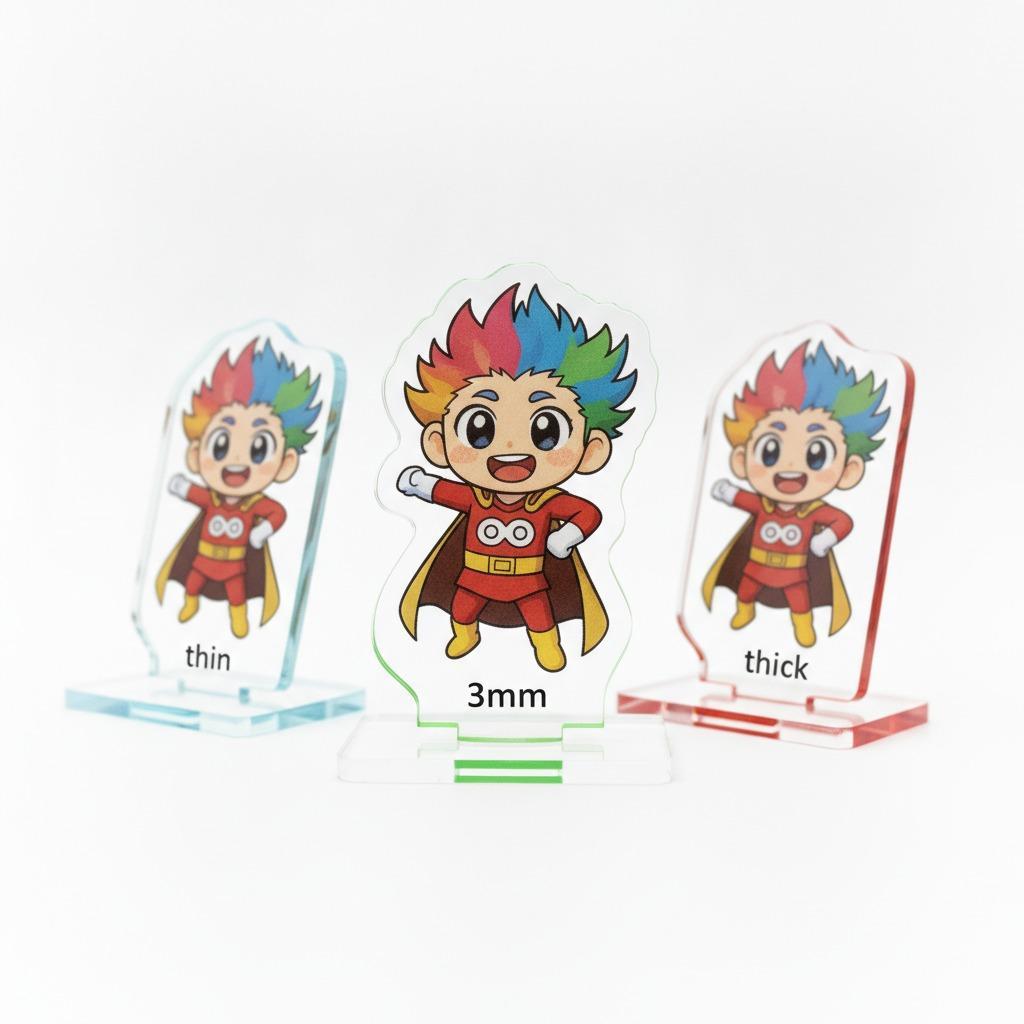
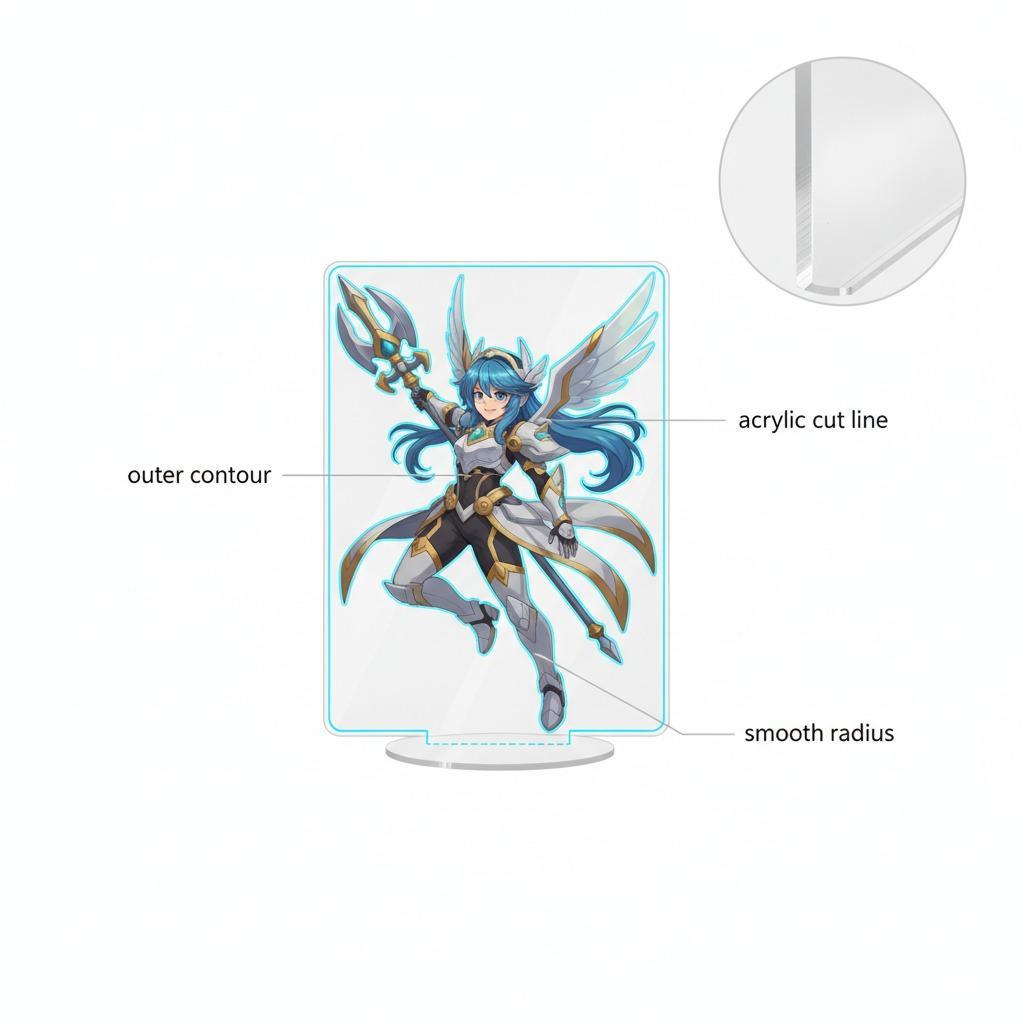
Acrylic is popular because it can be visually sharp, relatively lightweight, and easy to shape into branded items and display components. It also accepts printing, engraving, cutting, polishing, and assembly in ways that suit a wide range of commercial products. That is part of the reason Bulk Acrylic Keychains, signage inserts, promotional pieces, and display parts show up so often in sourcing discussions.
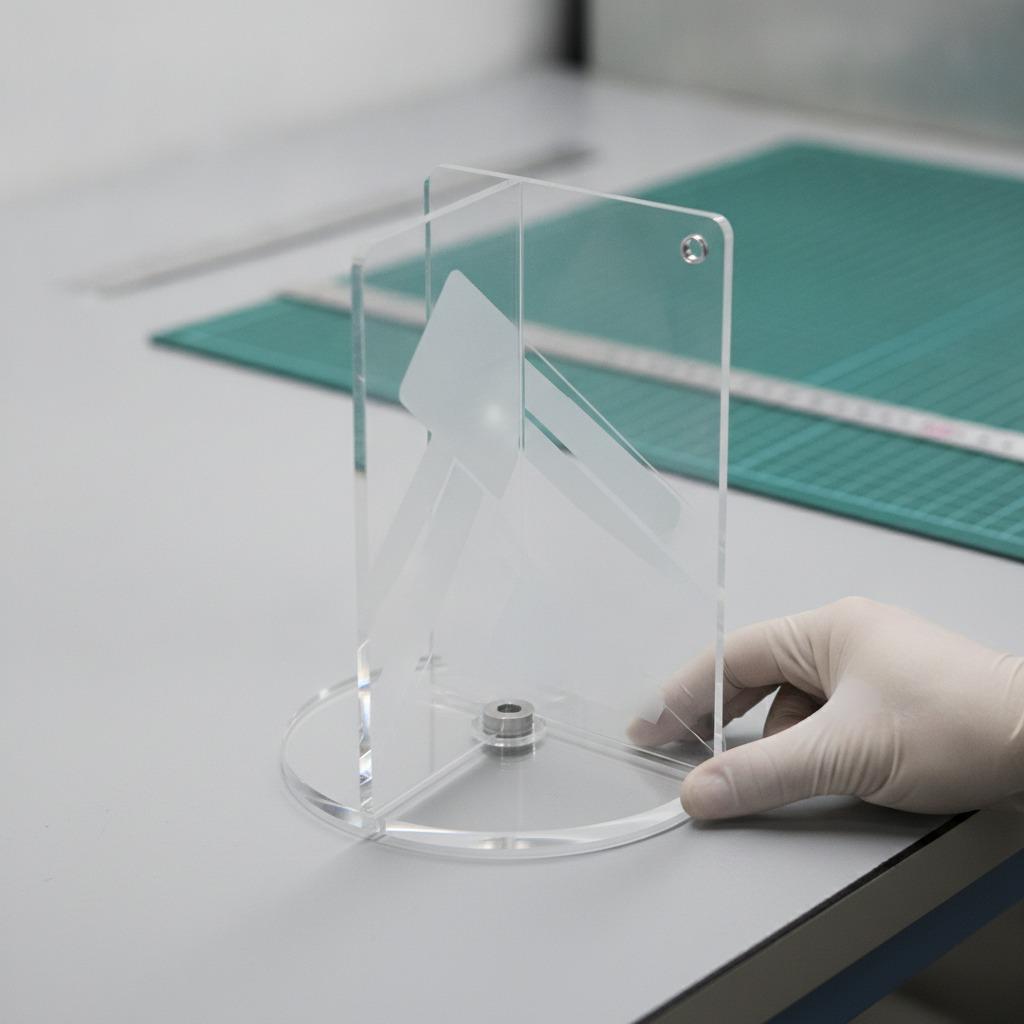
But mass production exposes weak links quickly. Heat can create stress marks. Poor die or tool maintenance can leave rough edges. Inconsistent sheet thickness can affect fit-up and assembly. If the design includes printing, the color layer must survive handling and friction. Buyers sometimes focus on the front-facing finish and forget the backside, where scratches and transport damage often begin.
Common Production Paths in High Volume
Sheet-based fabrication
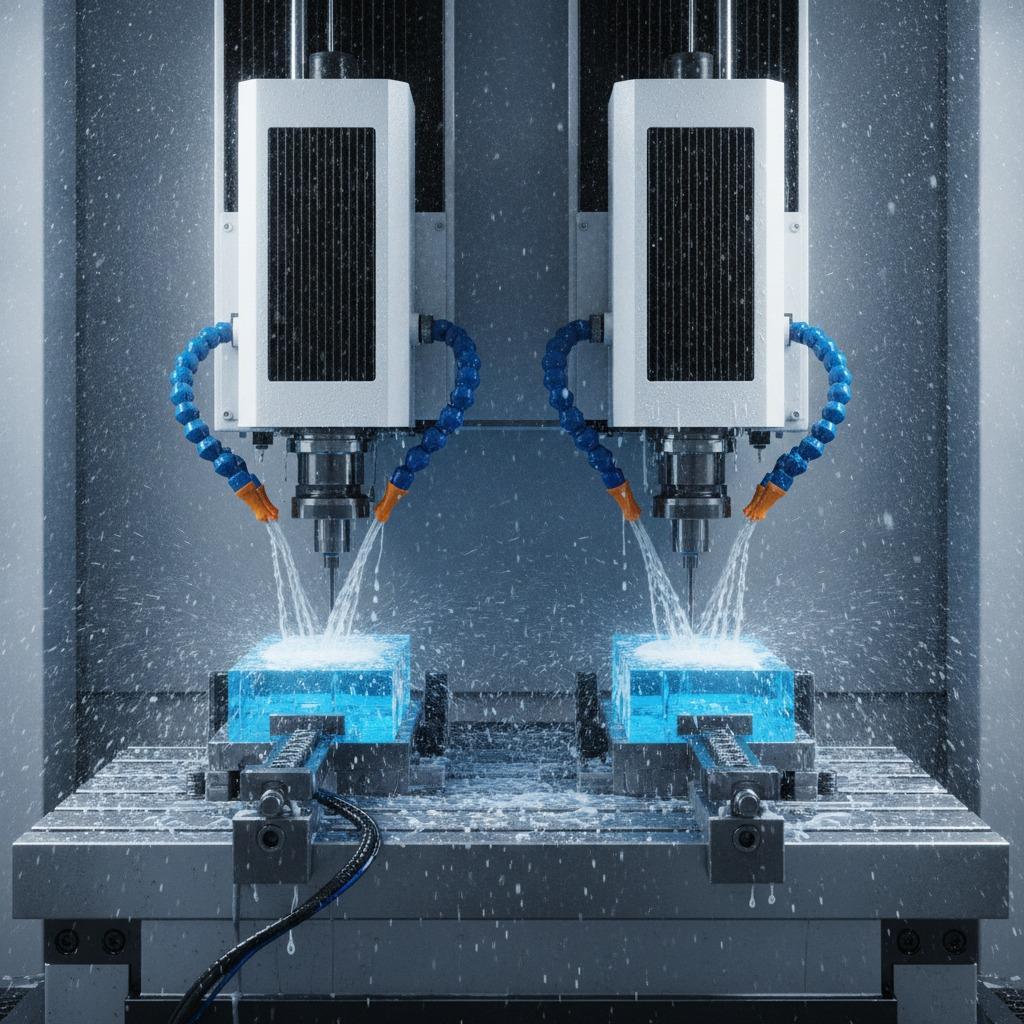
For many acrylic items, production starts with sheet stock that is cut, routed, printed, engraved, or formed into final parts. This approach is common for displays, inserts, and flat promotional goods because it supports repeatable nesting and efficient material use. It is also easy to scale if the factory has disciplined handling and enough capacity to move parts through cutting, finishing, inspection, and packing without bottlenecks.
Printed acrylic components
When graphics are part of the product, print registration becomes a major concern. A factory that handles high volume well usually keeps a tight rhythm between artwork preparation, print setup, curing or drying, and final inspection. If the project resembles commercial print production in its need for continuous throughput and stable output, the buyer should ask the supplier how they manage changeovers and sample approval. A shiny first sample means very little if the tenth batch drifts.
OEM and branded goods
For buyers working with an OEM Acrylic Factory, the real value lies in controlled repetition. The factory should be able to translate brand requirements into a stable process, whether the product is a display item, a sign component, or a promotional accessory. This is especially relevant for brands planning Bulk Acrylic Keychains or similar retail-ready goods, where packaging consistency can matter as much as the part itself.
What to Check Before You Place a Volume Order
Ask for process clarity, not just a yes. What material grade is being used? How are edges finished? Is printing applied before or after cutting? What inspection steps catch scratches, bubbles, or color mismatch? If the supplier is a High Capacity Acrylic Manufacturing partner, they should be able to describe the workflow in plain terms.
Also ask how they handle rework. Acrylic does not always forgive mistakes cleanly. Some defects can be corrected; others simply become scrap. A factory that admits this upfront is often more reliable than one that promises flawless output every time. That promise tends to age badly.
Buyer Mistakes That Raise Cost Later
One common mistake is approving a sample that looks good but ignores packaging. Acrylic can be damaged in transit by dust, pressure, or contact marks. Another is under-specifying surface finish. “Clear” is not enough if the product must appear optical, premium, or retail-ready. A third mistake is assuming all acrylic behaves the same. In reality, thickness, edge treatment, and forming method can change both appearance and breakage risk.
Another practical warning: if a design depends on tight fit with metal, paper, or adhesive-backed components, test the complete assembly rather than the acrylic piece alone. Problems often show up at the interface, not in the acrylic part by itself.
Where the Right Supplier Makes the Difference
The best production partner is not just a factory with machines; it is a shop that can keep a line moving while protecting the visible quality of every piece. In the same way a large offset printing press depends on stable feeding, multiple processing stages, and operator oversight, acrylic production at scale depends on coordinated steps and good housekeeping. Dust control, storage discipline, and inspection rhythm all affect the final result.
If you are comparing vendors, look for evidence of repeatability, not theatrical sample work. Ask for a production plan, a packing method, and a clear communication path for revisions. Those details often tell you more than a glossy brochure.
Practical Next Step
If your project is moving from prototype to volume, prepare a brief that includes dimensions, finish expectations, artwork rules, packaging needs, and acceptable defect levels. Share that with each supplier before you compare pricing. It will save time, and it usually reveals which factory understands Mass Production Acrylic as an industrial process rather than a one-off craft job.
For teams sourcing branded products, displays, or promotional items, the real goal is not just finding a maker. It is finding a process that can stay calm while the order gets larger.