
An Epoxy Acrylic Keychain looks simple at first glance, but buyers usually judge it on the same three things they judge any small promotional item: how it feels in the hand, how well the artwork survives daily use, and whether the hardware will hold up after a few weeks rattling around in a pocket or bag. That is why this little accessory sits in an interesting place between merch and practical hardware. It can be a fan item, a giveaway, a zipper pull, or a quiet branding tool that gets seen more often than a flyer ever would.
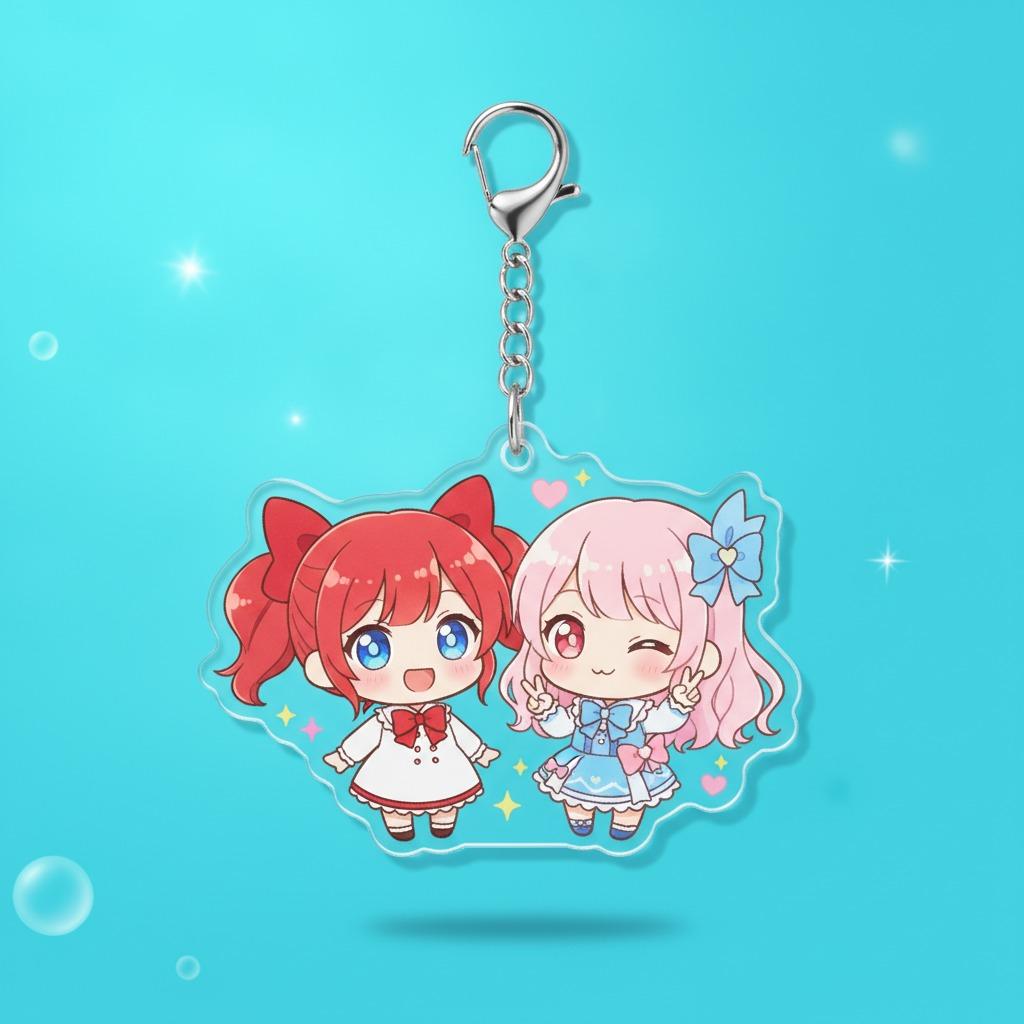
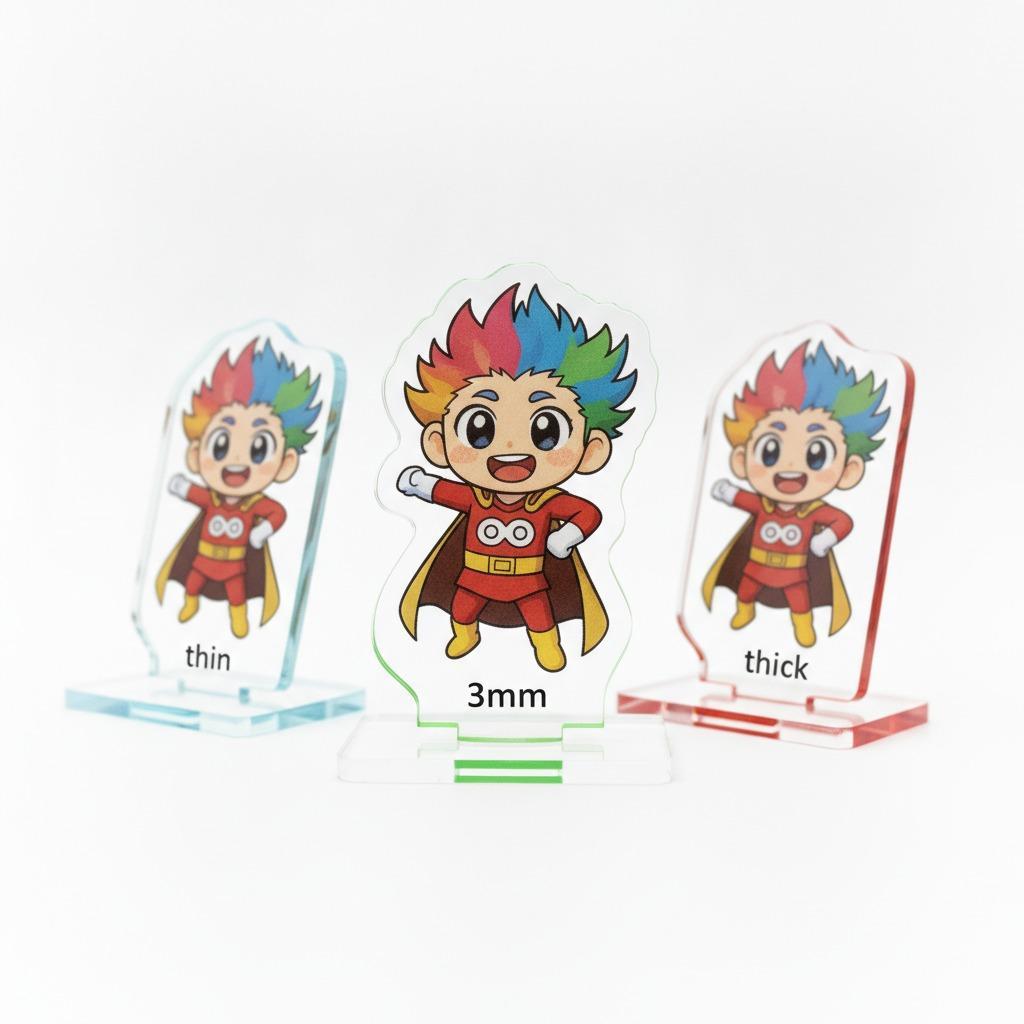
What makes the format appealing is the combination of light weight and visual punch. A clear printed acrylic body can carry bright pastel artwork, chibi characters, logos, or simplified illustrations without looking bulky. In many versions, the face has a glossy, resin-like finish that gives the art depth, although the exact surface build can vary from supplier to supplier. The better pieces feel tidy rather than overdone: crisp cut edges, a clean print, and hardware that does not fight the design.
What Buyers Usually Want From This Format
For sourcing teams, the real question is not whether the item is cute; it is whether the charm is practical enough to keep in circulation. A keychain that looks good in a product photo can still disappoint if the clasp feels flimsy, the print scratches easily, or the hole reinforcement is weak. The visible metal grommet on some designs is not a decorative afterthought. It helps protect the attachment point and can make a small part like this noticeably more durable.
The best examples tend to use a silver-tone swivel lobster clasp, a small connector link, and a reinforced hanging point near the charm body. That combination is common because it is easy to clip onto bags and less annoying to use than a stiff ring. For end users, those details matter more than they admit. A charm that opens smoothly gets used; one that snags on fabric gets tossed into a drawer.
How The Look Is Built
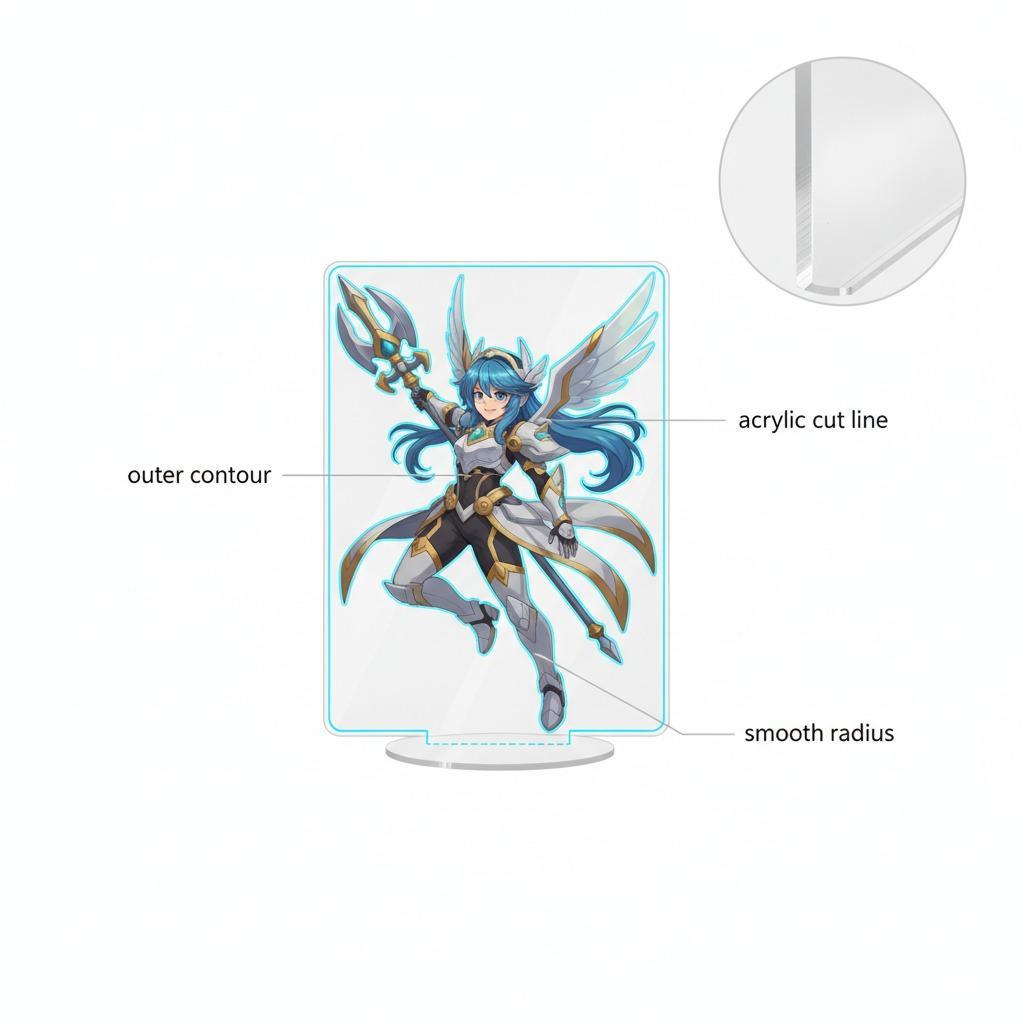
Most printed acrylic charms rely on a flat cutout and a full-color image applied to the surface or layered beneath a clear face. The visual effect depends on the artwork, the transparency of the body, and how cleanly the edge is finished. Rounded die-cut shapes tend to feel friendlier and more collectible, while hard corners can look more industrial unless the design calls for that.
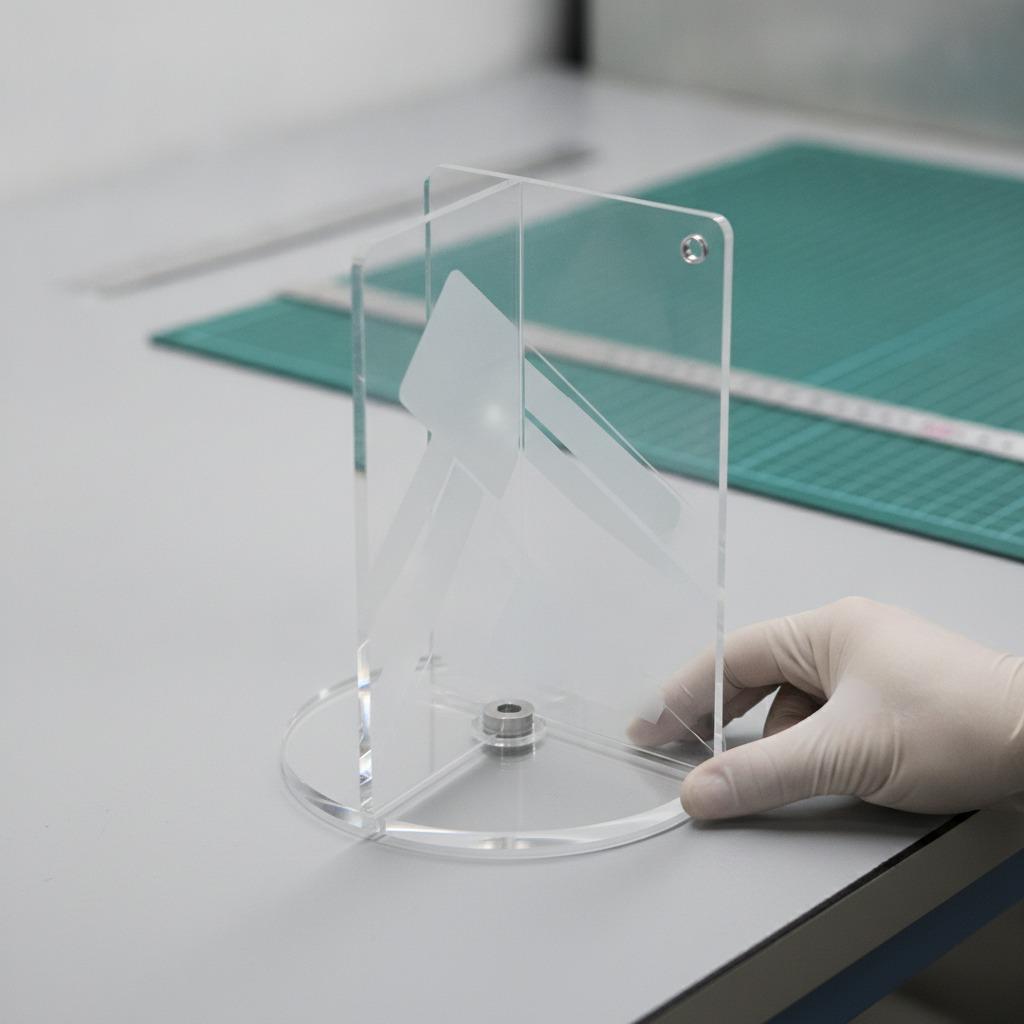
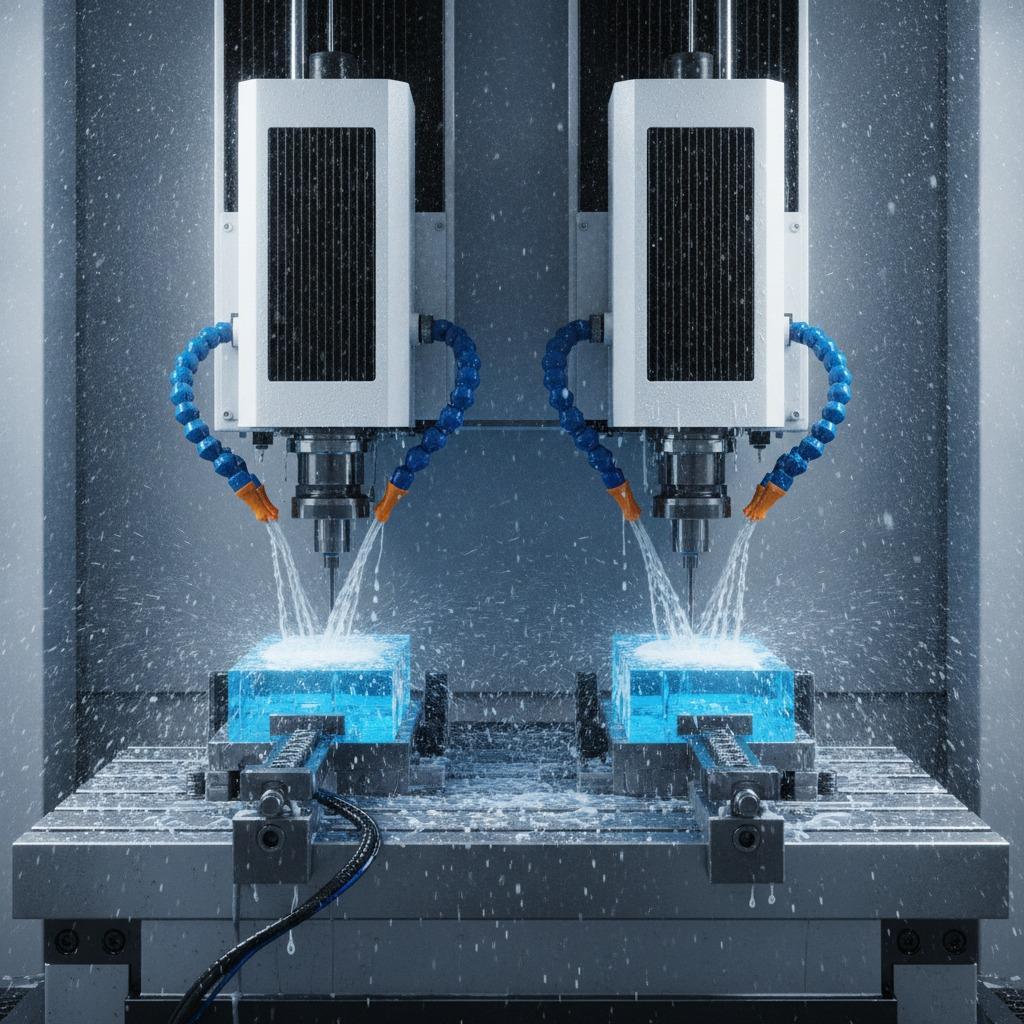
In manufacturing terms, this is usually a precision workflow: acrylic sheet is cut to shape, graphics are added, and hardware is attached after the decorative stage. For factory buyers, the key concern is consistency. A charm line with uneven printing or poor alignment does not just look off by a little; it makes the whole batch feel less trustworthy. That is especially true for character merchandise, where fans notice small differences immediately.
Where The Detail Shows Up
The edge finish, the print saturation, and the alignment between artwork and hole placement are the places where quality either holds together or slips. A transparent edge can look polished when it is clean, but it also exposes internal flaws more quickly. Likewise, bright artwork can hide some handling marks, yet it will also show fading faster if the surface treatment is weak. A buyer should ask for close-up images or samples, not just a front-facing hero shot.
When Epoxy Acrylic Keychain Designs Work Best
This product format is strongest when the goal is visual identity. It suits anime-style characters, mascots, logo art, event giveaways, collector series, and small branded gifts. It also works well as a bag charm or zipper pull because the part is usually light enough not to swing heavily or tear at the attachment point.
There is a practical side to that appeal. Small accessories are often judged by touch as much as appearance. A compact charm with a smooth face and secure metal clasp feels finished. If the piece is meant for retail, that sense of finish can help it sell at a higher perceived value than a plain printed tag would.
Selection Criteria That Save Trouble Later
If you are comparing suppliers, start with the boring questions. What is the exact acrylic thickness? Is the print single-sided or double-sided? Is there a protective film? How is the charm attached to the hardware? Those answers matter because a product that looks identical in a listing can behave very differently in production and in use.
Also check whether the artwork is intended for indoor merch, retail packaging, or rough daily handling. A decorative piece for a convention table has a different duty cycle than a key accessory that will bounce against metal every day. That is an easy distinction to overlook, and it is where many first orders go slightly wrong.
Common Mistakes Buyers Make
One common mistake is assuming the glossy face means the item is automatically durable. Gloss alone does not guarantee scratch resistance or strong adhesion. Another is forgetting that the clasp and connector are part of the product, not an accessory to it. Weak hardware can spoil an otherwise good design very quickly.
Another trap is overfocusing on artwork and underfocusing on shape. A beautiful image can still look awkward if the die-cut outline is cramped, the hole lands too close to the edge, or the charm hangs poorly. In a small format like an Epoxy Acrylic Keychain, those geometry choices are not minor details. They are the product.
Practical Buyer Advice
If you are sourcing for merch, ask for a sample that includes the actual clasp, link, and hanging point, not just the printed acrylic body. If the supplier can show a finished piece from the same production method, even better. For factory planning, it is worth thinking about packaging early too, because small accessories often need protection from scuffing before they even reach the customer.
For brands, the safest approach is to treat this as a small-format display object with daily-use risk. That mindset usually leads to better decisions: choose art that stays legible at a small size, keep the design clean, and do not overload the shape with too many tiny details that vanish once the charm is cut down.
FAQ For First-Time Buyers
Is the epoxy layer always the same? No. The glossy look may come from different surface constructions depending on the supplier, so it is better to confirm the build rather than assume.
Is it only for keys? Not really. Many buyers use it as a bag charm, zipper pull, or collectible accessory.
What should I inspect first? Start with print clarity, edge finish, clasp quality, and the reinforcement around the hanging point.
If you are evaluating an Epoxy Acrylic Keychain for retail or promotion, the right move is simple: ask for a finished sample, look closely at the hardware, and decide whether the piece is meant to impress from a distance or survive daily handling. That choice shapes everything else, from artwork to packaging, and it is usually where a good design becomes a useful product.