
Custom acrylic work lives or dies on print quality
Custom Acrylic Keychain Printing sounds simple until you have to ship a product that a customer will hold up to the light, turn over, and inspect at arm’s length. That is where the weak spots show up: blurry edges, poor color density, surface scuffing, and artwork that looked fine on screen but falls apart on a clear or colored acrylic base. For sourcing teams and product managers, the real question is not whether acrylic keychains can be printed. It is whether your chosen process can hold detail consistently, protect the finish, and make short runs economical enough to stay competitive.
In that sense, the conversation is less about “merchandise” and more about manufacturing discipline. A good Acrylic Merchandise Manufacturer treats keychains like a controlled print product, not a novelty item. And that matters because acrylic accessories are often sold as fan goods, promo items, or Custom Acrylic Gifts where visual appeal is the whole business case. If the print fails, the product fails.
Why acrylic keychains are harder than they look
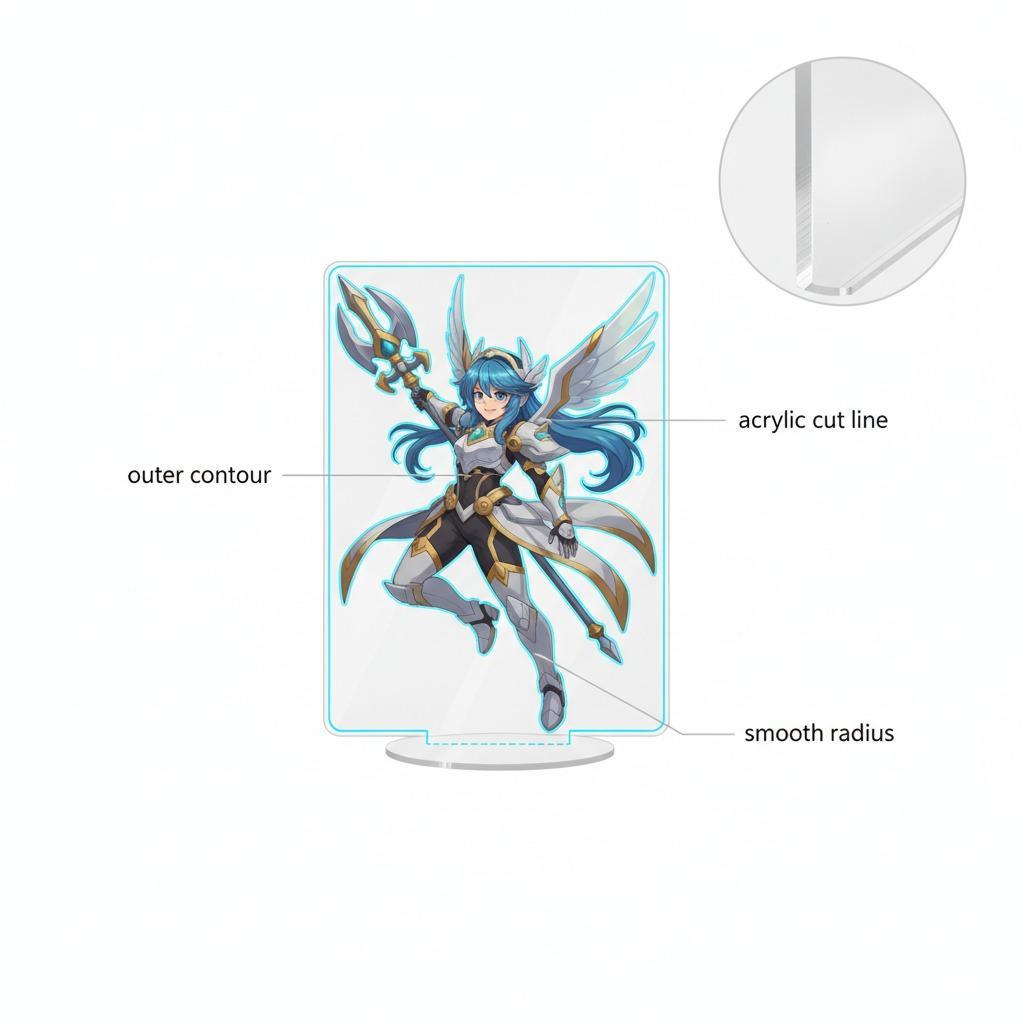
Acrylic is a neat substrate for small-format retail items, but it is unforgiving in a few important ways. Clear material can reveal dust and edge flaws immediately. White or frosted bases can make colors appear stronger, but they also expose registration errors and uneven coverage. If the design includes fine line art, character outlines, or small text, the production method has to be stable enough to preserve those details across a batch, not just on one sample.
This is where modern flatbed digital printing becomes relevant. The industrial machine setup described here, with a large flat bed, a gantry system, and controlled carriage movement, is the sort of equipment that helps printers handle rigid sheet materials with better positioning and repeatability than ad hoc manual methods. The visible grid-marked table suggests the operator is thinking about alignment, which is exactly what you want when keychain blanks must stay consistent from run to run.
What buyers should care about first
When evaluating suppliers for Custom Acrylic Keychain Printing, I would start with three questions: can they print fine detail cleanly, can they manage short-run variation without losing consistency, and can they protect the finished surface well enough for handling and shipping. Those questions matter more than flashy sample photos.
For anime-themed products in particular, Anime Acrylic Printing puts extra pressure on color layering and line fidelity. Characters, facial expressions, and background accents often rely on crisp outlines and saturated spot colors. A supplier that is only “good enough” on large signage may not be good enough on a two-inch keychain.
Where flatbed UV-style equipment fits into the process
The machine type shown in the preparation data appears to be a large-format flatbed digital printer or UV printing machine, though the ink system itself is not confirmed. Still, the setup tells you something useful: this is industrial, sheet-based production, not a desktop gimmick. Flatbed printing is commonly used for rigid panels, displays, prototypes, and other flat substrates. Acrylic keychain blanks fit naturally into that world if the workshop has proper fixture control and understands how to handle small parts.
That is important because small products can be more demanding than larger ones. A minor placement error on a sign might be invisible. On a keychain, it is obvious. A supplier with a segmented or grid-marked bed may be better positioned to organize multiple blanks efficiently, but the operator still has to respect spacing, curing, and edge safety. Buyers sometimes overlook that last point. They should not.
Selection criteria that actually matter
Artwork handling
Ask how the supplier prepares artwork for print. Do they confirm bleed, safe zones, and transparent backgrounds before production? If a design depends on white underprint or opaque layers, that needs to be discussed early, not after the first batch comes back.
Material behavior
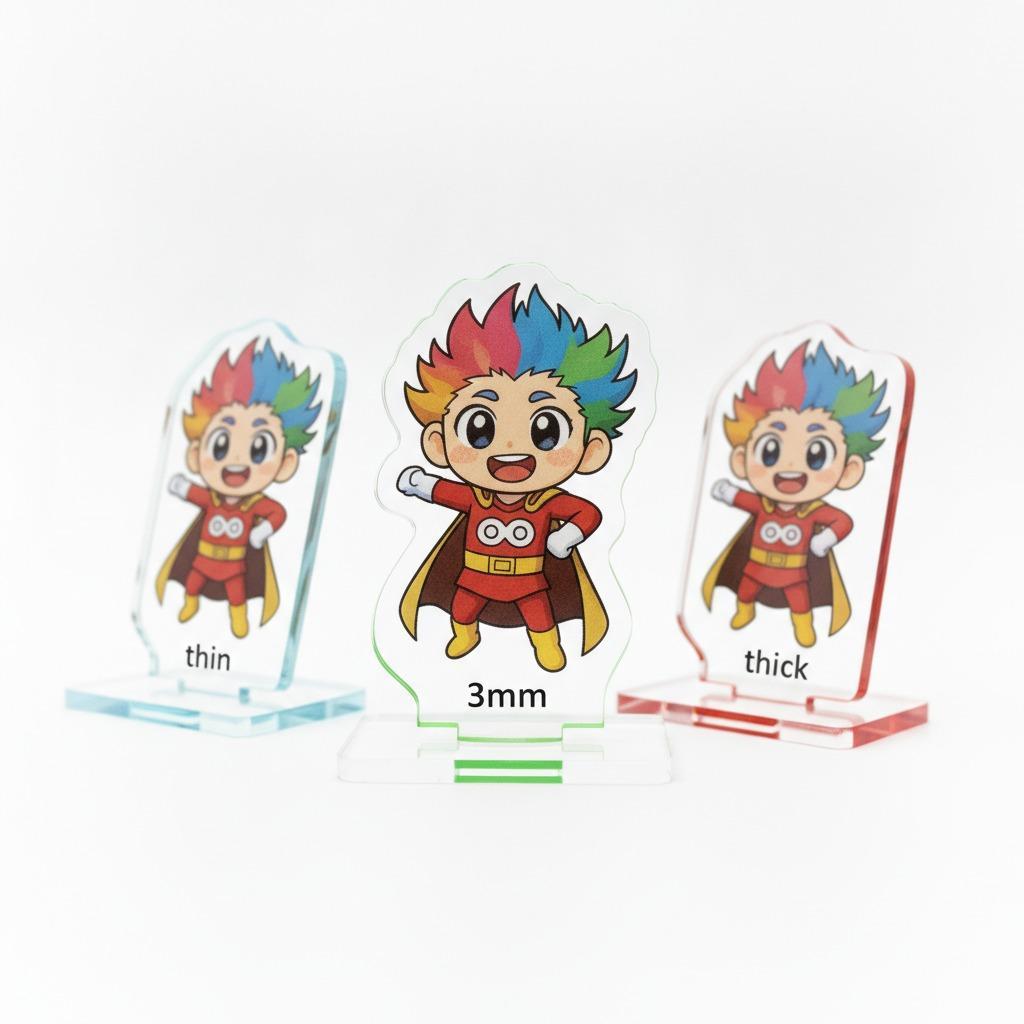
Acrylic thickness, clarity, and edge finish can change how a print reads. Even without exact specs, the buyer should ask for a sample on the same base material planned for production. Do not approve artwork from a paper proof and assume it will translate cleanly to acrylic. That shortcut causes avoidable disappointment.
Production consistency
For short-run personalized products, consistency across a mixed order is often the make-or-break issue. Names, QR codes, fan art variants, and event merchandise all require reliable repeat setup. A factory with automated gantry movement and proper cable management is not just showing off machinery; it is signaling that it understands repetitive industrial work.
Common mistakes buyers still make
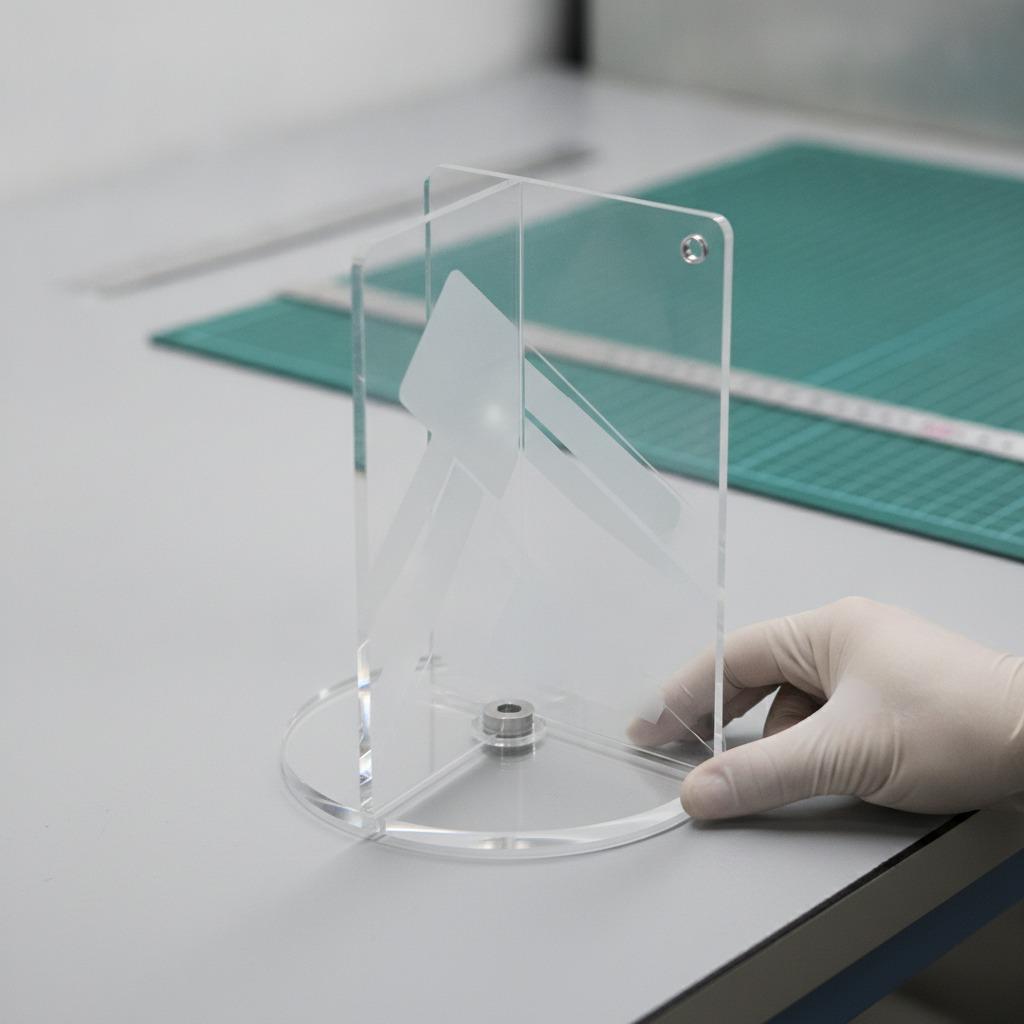
The most common mistake is choosing on price alone and then discovering that the print surface scratches too easily or the colors drift between batches. Another one is ignoring the edge finish. Acrylic keychains are handled constantly, and sharp or poorly polished edges quickly turn a nice product into a complaint.
There is also a tendency to over-design tiny formats. If your branding depends on very fine gradients or text no larger than a pinhead, step back and ask whether the product is serving the design or the other way around. Sometimes a cleaner layout sells better than a crowded one.
Practical buyer advice before you place an order
Request one sample with the exact artwork and base material you intend to use. Confirm how the supplier packs finished pieces so prints do not rub during transit. If the order includes multiple character variants or custom names, check whether the production team can organize variable data cleanly without mixing SKUs. Those are mundane questions, but they save money.
For buyers sourcing from an Acrylic Merchandise Manufacturer, it is also worth asking how the shop schedules flatbed work alongside other jobs. A facility that handles signage, display graphics, and decorative panel printing may already have the discipline needed for keychains, but only if it treats small-format work as a production line rather than spare capacity.
FAQ
Is flatbed printing suitable for acrylic keychains?
Yes, when the supplier has the right fixtures, alignment control, and finishing discipline. The process is especially useful for short runs and detailed graphics.
Are Custom Acrylic Gifts difficult to customize at scale?
They can be if the workflow is manual or poorly organized. Variable names, color changes, and mixed designs require a clean production system.
What should I ask for in a first sample?
Ask for your final art on the final acrylic base, packaged the way your customers will receive it. A generic sample is better than nothing, but it is not enough to approve a real order.
Next step
If you are sourcing Custom Acrylic Keychain Printing, start with the product, not the price sheet. Share the artwork, the substrate, the intended use, and the order mix, then judge the supplier on how they handle details. A good print partner will ask the same questions back. That is usually a good sign.