
Choosing a Custom Acrylic Keychain Manufacturer is less about finding the lowest quote and more about finding a supplier that can hold line quality, keep print colors stable, and repeat the same result when you reorder three months later. That sounds basic, but in practice it is where many merchandise programs go off track. A keychain is small, yet buyers still have to decide on artwork method, acrylic thickness, edge finish, hardware, packaging, and how much variation they can live with.
What buyers are really comparing
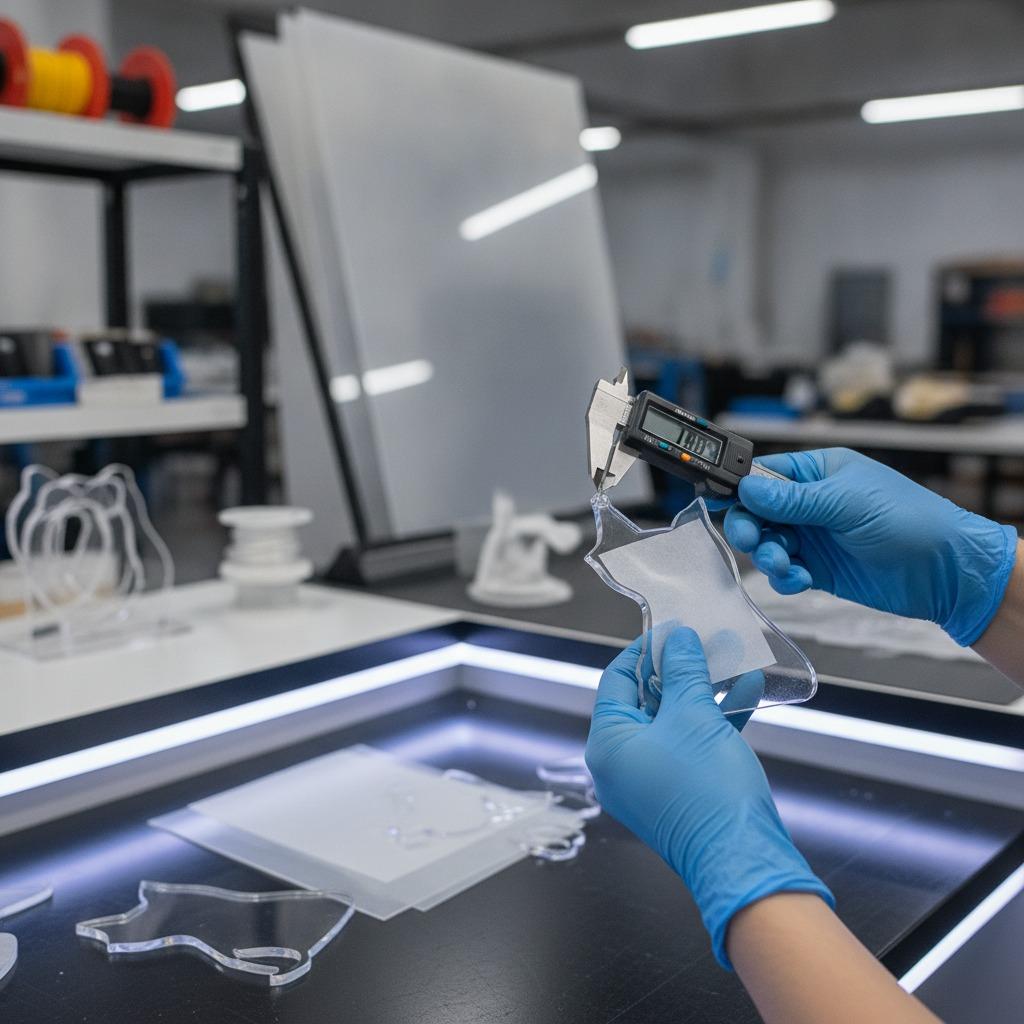
For sourcing teams, the comparison is usually not just price versus lead time. It is cut quality versus print quality, sample speed versus production consistency, and small-order flexibility versus batch stability. A keychain that looks fine on screen can fail in the hand if the edges are cloudy, the hole placement is off, or the print chips after a little wear. That is why the better suppliers tend to talk in practical terms: how they approve artwork, how they manage proofs, and how they separate sample work from production runs.
If you are also buying related merchandise, the same logic applies across categories. An Acrylic Standee Factory may focus more on display shape and base fit, while Anime Acrylic Products often demand tighter print registration and more careful color handling. The core lesson is simple: merchandise buyers should look for shops that understand repeatable acrylic processing, not just decorative printing.
Why the production floor matters
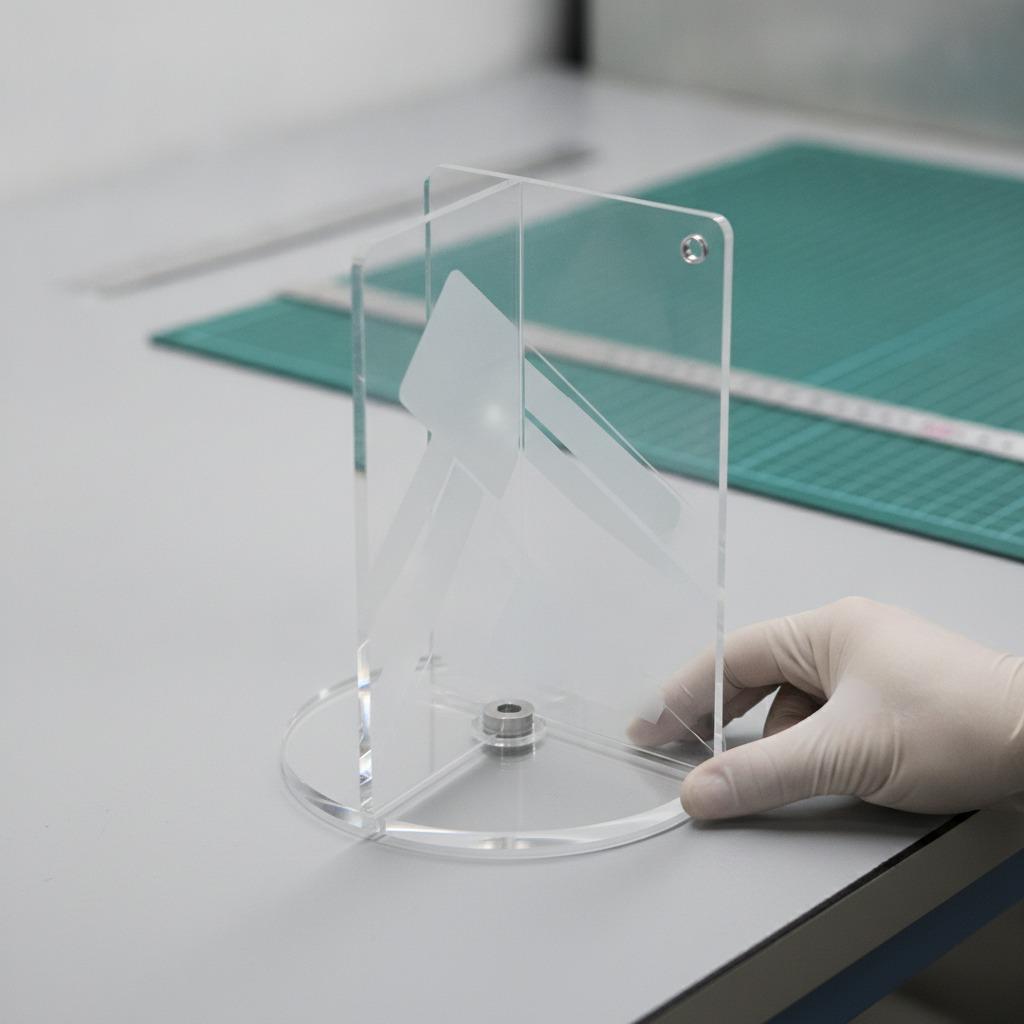
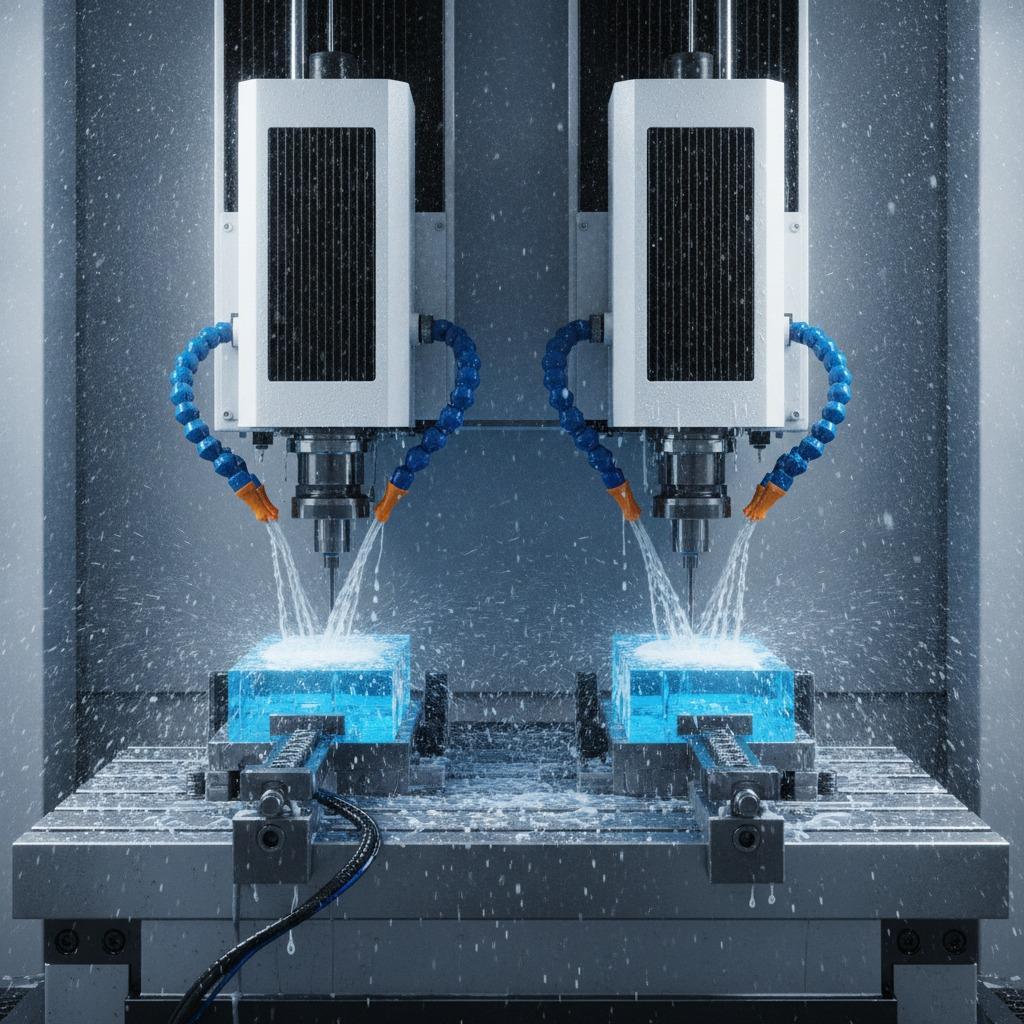
Even though the product here is small, the factory environment still tells you a lot. A line built around enclosed stations, visible status lights, operator screens, and organized workbenches usually suggests a controlled process rather than a loose hand-craft setup. That does not prove a specific machine type or automation level, and it should not be read that way. But it does hint at a production culture that values separation of steps, visual control, and easier traceability. For buyers, those are good signs when the order depends on consistent cut paths and clean finishing.
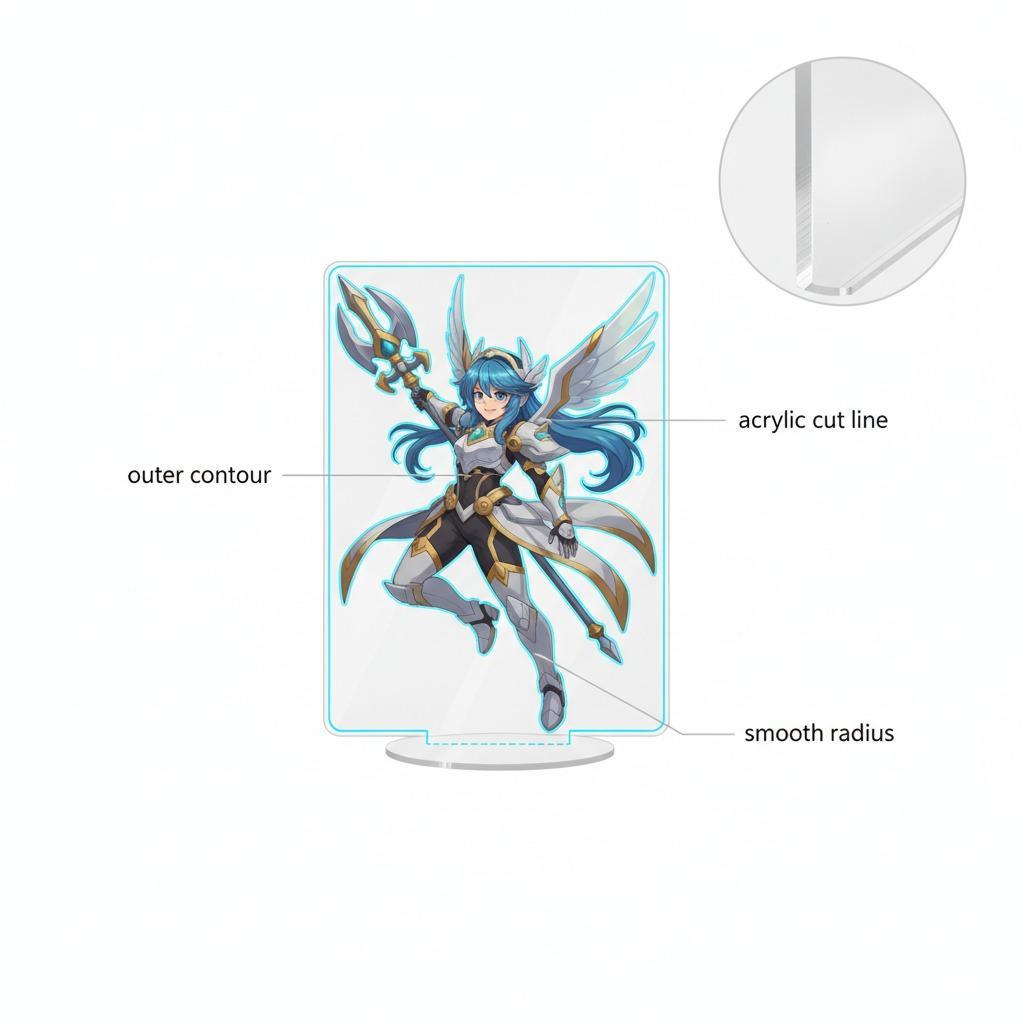
This is where a Precision Acrylic Cutting Manufacturer earns attention. Clean cutting is not glamorous, but it affects almost everything downstream: the feel of the edge, the fit of the hole for the chain ring, and the way the piece survives packing and shipping. If the cutting is sloppy, the rest of the job has to work harder to hide it.
Common manufacturing paths
Printed single-layer keychains
This is the most familiar format. Artwork is printed onto acrylic, then cut to shape, then fitted with a ring or clasp. It works well for brand giveaways, event merch, and retail designs where a flat graphic is enough. The main risk is color drift between proof and production, especially if the order is reordered later and the vendor has not locked the print settings carefully.
Double-layer or sandwich structures
These versions combine layers for depth, opacity, or a protected image face. They can look more premium, but they also introduce more points where alignment can slip. Buyers should ask how the supplier controls registration and whether the protective film stays on until the right stage of the process. Small handling mistakes are easy to miss until the finished lot is packed.
Special shapes and fan-market styles
Custom contours, character silhouettes, and limited-edition art pieces are common in fan merchandise. They are also where design cleanup matters most. Thin bridges, tiny text, and closely spaced holes can make a design look good in a mockup and awkward in production. A cautious supplier will flag those issues early instead of letting them become a late-stage surprise.
How to judge a supplier before you place the order
Start with the sample process. Ask whether the supplier can provide a proof, a pre-production sample, or both. Then ask what changes between sample and mass production. If the answer is vague, that is usually a warning sign. You are not just buying a design; you are buying a process that can repeat it.
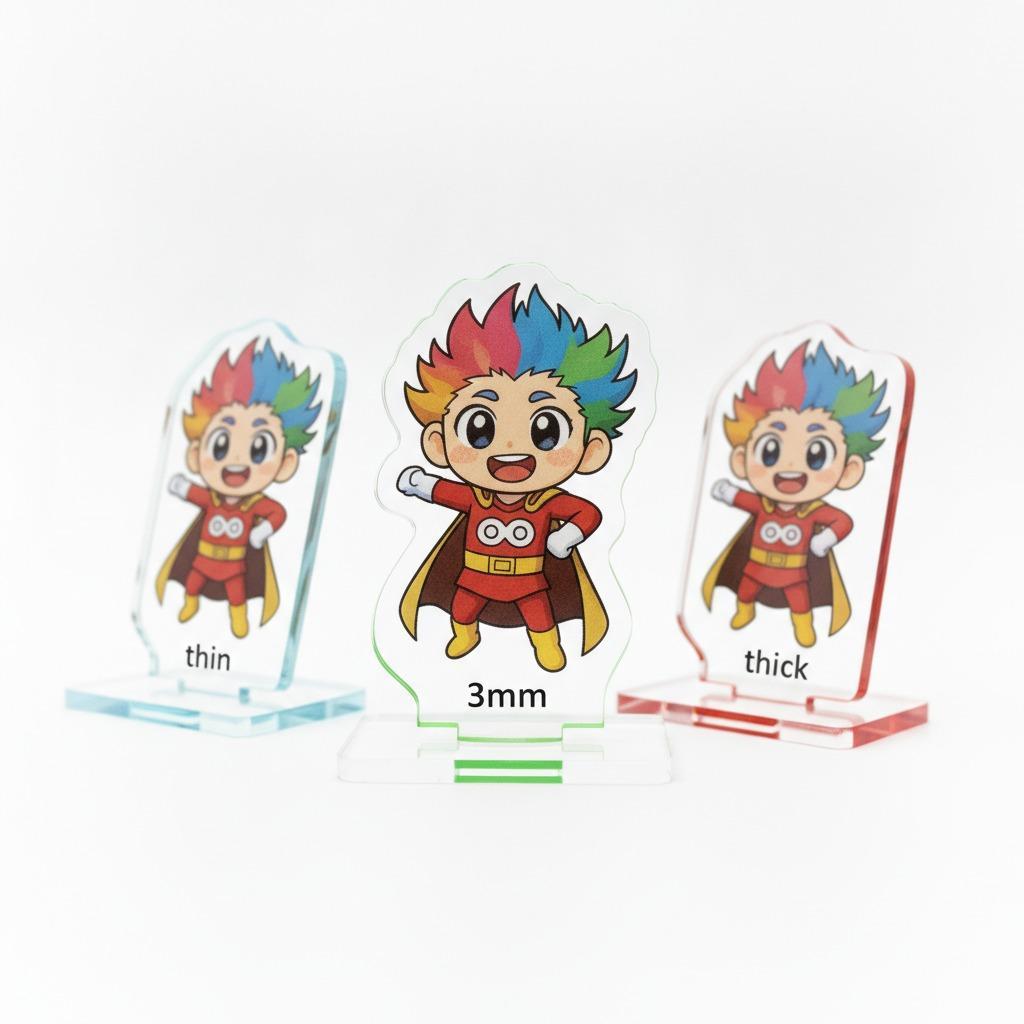
Next, look at material and finish options. Acrylic can be clear, colored, frosted, or layered, and each choice changes how the artwork reads. Clear acrylic shows off the print but can also reveal dust and edge imperfections more easily. Frosted material can soften the look, which may suit some brand styles but not others. The right answer depends on the design, not on what the factory prefers to run.
Finally, ask about packaging. For a simple promo item, a bulk pack may be enough. For retail or fan merch, individual bags, backing cards, or barcode-ready packaging may matter more. Packaging is often treated as an afterthought, yet it can determine whether the order arrives ready for shelves or ready for rework.
Common mistakes buyers still make
The biggest mistake is assuming all acrylic merchandise is interchangeable. It is not. A supplier that does display items well may still struggle with small hardware, while a shop that handles intricate cuts may not be the best fit for print-heavy designs. Another common error is ordering too many variants before the first proof has been approved. That can tie up budget and create inventory that is hard to move if one design lands poorly.
Buyers also overlook licensing and artwork rights. This matters especially in Anime Acrylic Products, where fan art, franchise imagery, and derivative graphics can create avoidable problems if the rights are not clear. The manufacturer may not solve that for you, but a careful one will at least ask the right questions.
FAQ for sourcing teams
What should I ask first? Ask about sample control, print method, and how the factory handles revisions. Those three answers usually reveal more than a polished sales deck.
Is lower cost always worse? Not always. But if the quote is much lower than the market, check what is missing: packaging, finishing time, or inspection detail are common trade-offs.
When does a better-cutting supplier matter most? It matters most when the design is small, detailed, or expected to reorder many times. That is where consistent edges and hole placement start to pay off.
What to do next
If you are narrowing down a Custom Acrylic Keychain Manufacturer, ask for a proof workflow, a material recommendation, and a packaging option that matches your channel. Then compare the samples as if they were a finished shipment, not a showroom piece. The shop that can explain its process clearly is often the one best prepared to deliver a stable order later.