
Why acrylic jobs go wrong in production
An Acrylic Manufacturing Workshop has to solve a familiar problem: customers want clear parts, colored displays, branded panels, and small-run merchandise, but they also want those parts to look clean from the first sample onward. Acrylic is unforgiving in ways that are easy to underestimate. A slight scratch, a poor edge finish, or ink that does not cure evenly can turn a useful part into scrap. That is why the workshop itself matters as much as the material.
For buyers, the real decision is not simply where to place an order. It is whether the factory can handle the whole chain: sheet handling, printing, cutting, finishing, and repeat production without drifting from the approved sample. In a Custom Acrylic Factory, that chain is what separates a polished result from a late-stage correction.
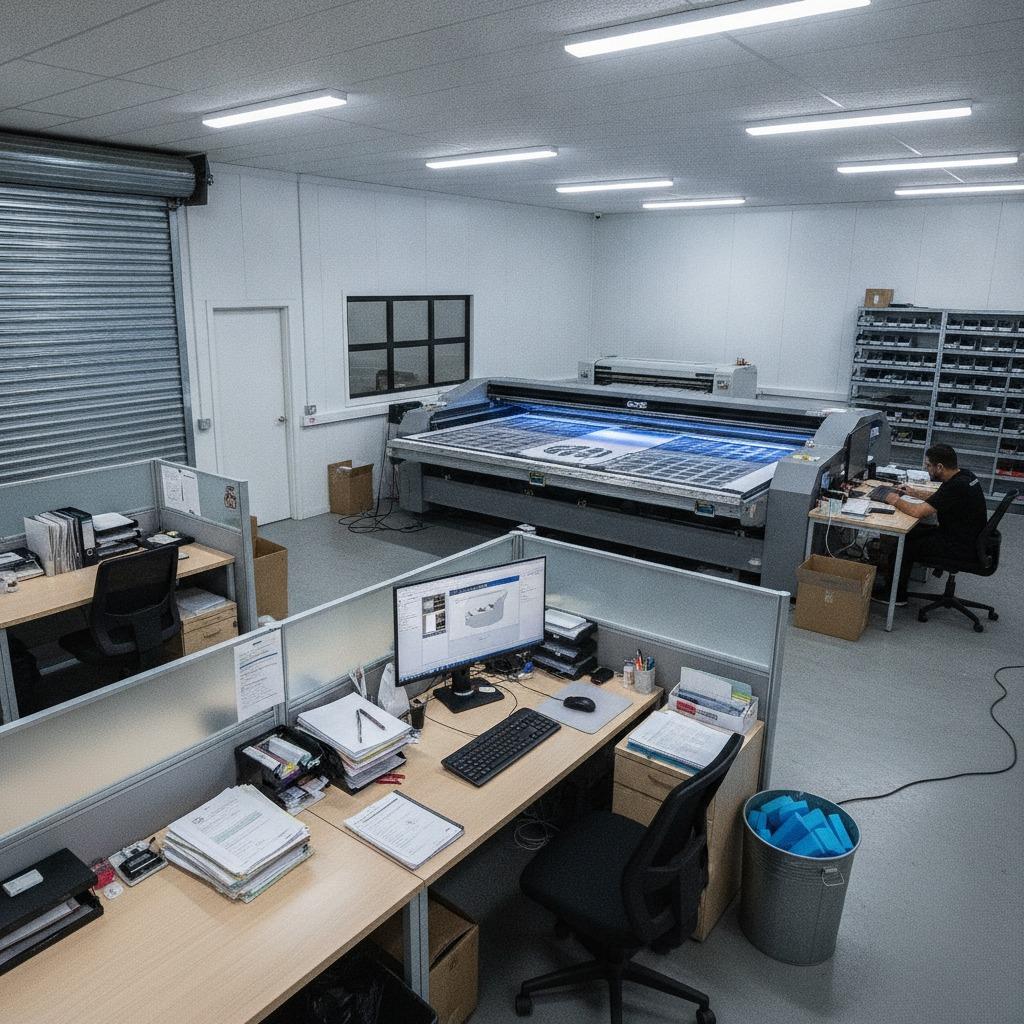
What a modern workshop is built to do
The equipment visible in a typical production floor says a lot about the shop’s capabilities. A wide flatbed digital printer with a moving carriage and UV curing light is designed for direct printing on rigid sheets and panels. That matters because acrylic parts often need graphics, labels, gradients, or layered decoration without a separate sticker process. UV printing can support cleaner registration and faster handling, which is useful when the job includes short runs or mixed SKUs.
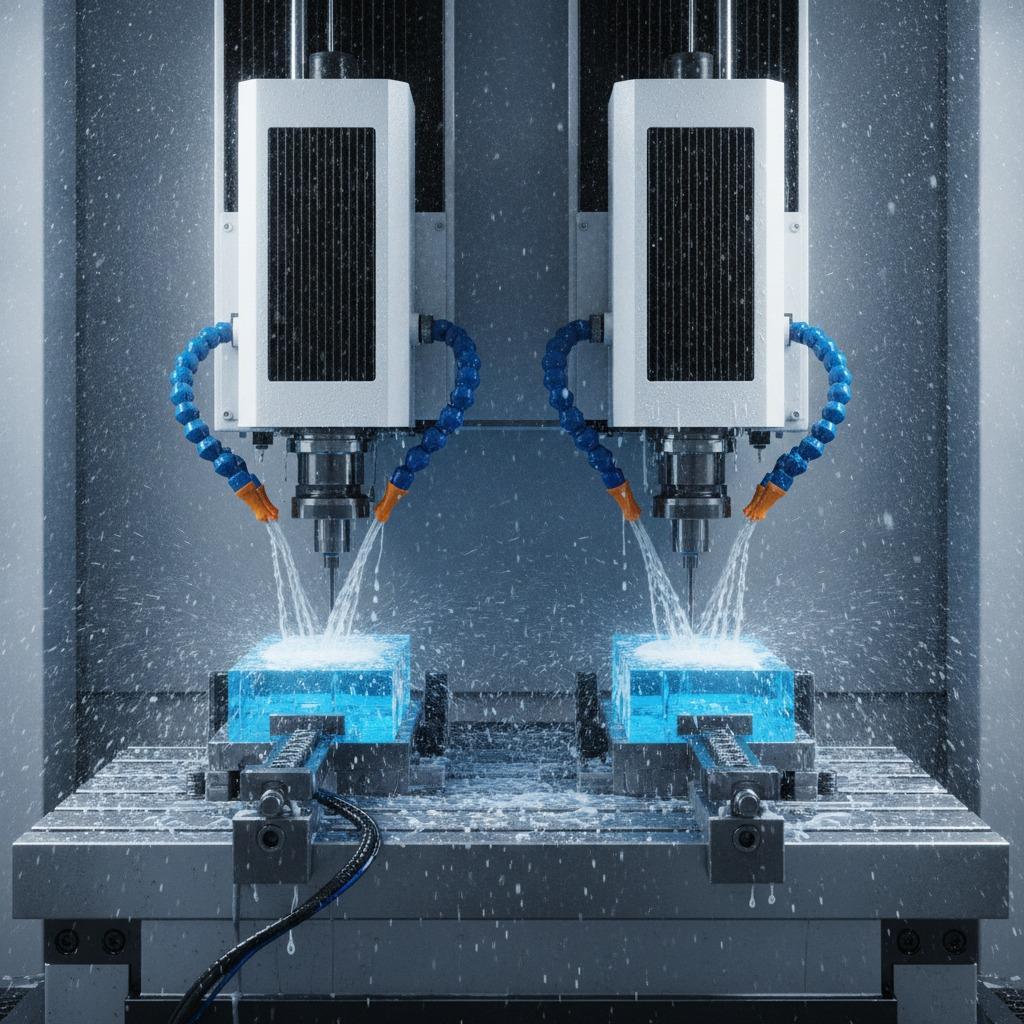
In practical terms, that kind of setup fits signage, display panels, packaging samples, decorative inserts, and other flat acrylic components. It may also sit alongside cutting or routing equipment, though that should always be confirmed rather than assumed. A good OEM Acrylic Manufacturer usually treats the printer as one station in a larger workflow, not as the whole answer.
The real pain point: consistency
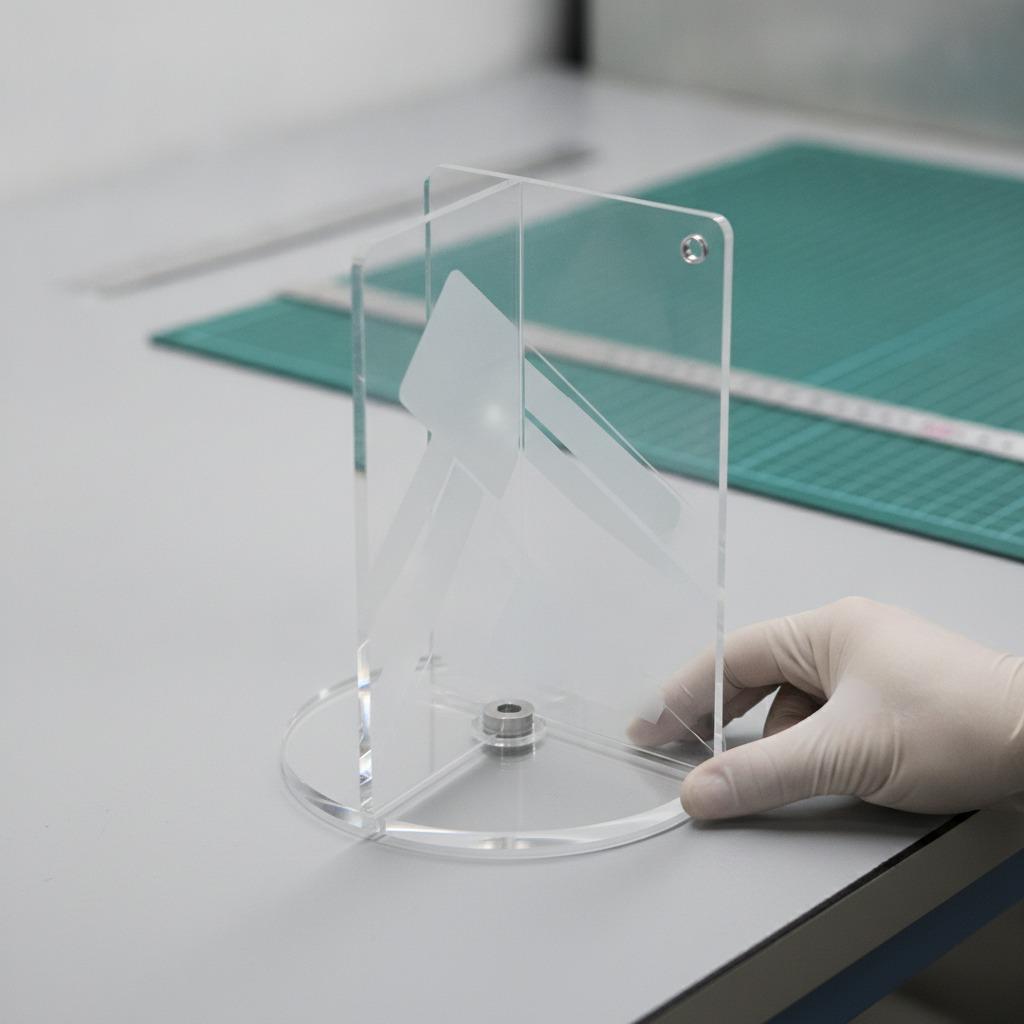
Most sourcing teams do not lose time on the first sample; they lose time on the second or third batch. The sample looks fine, then color shifts, edge quality changes, or the print sits slightly differently on the substrate. Acrylic is especially sensitive to handling marks and contamination, so a workshop needs disciplined floor practices, not just a capable machine.
That is where the production environment becomes important. A shop with organized workstations, operator monitors, and a controlled workflow is often better positioned to track settings, check files, and keep jobs moving. It is a modest point, but in real production it makes a difference. Clean handoff between printing, curing, inspection, and packing is often what protects margin.
How to judge a supplier before you place the order
Ask about the process, not just the price
Buyers should ask how the factory prepares artwork, whether it uses direct UV printing on rigid sheets, and what finishing steps follow. If the supplier cannot explain the sequence clearly, that is a warning sign. A lower quote means very little if the shop cannot describe how it controls adhesion, alignment, or surface protection.
Check the handling of custom work
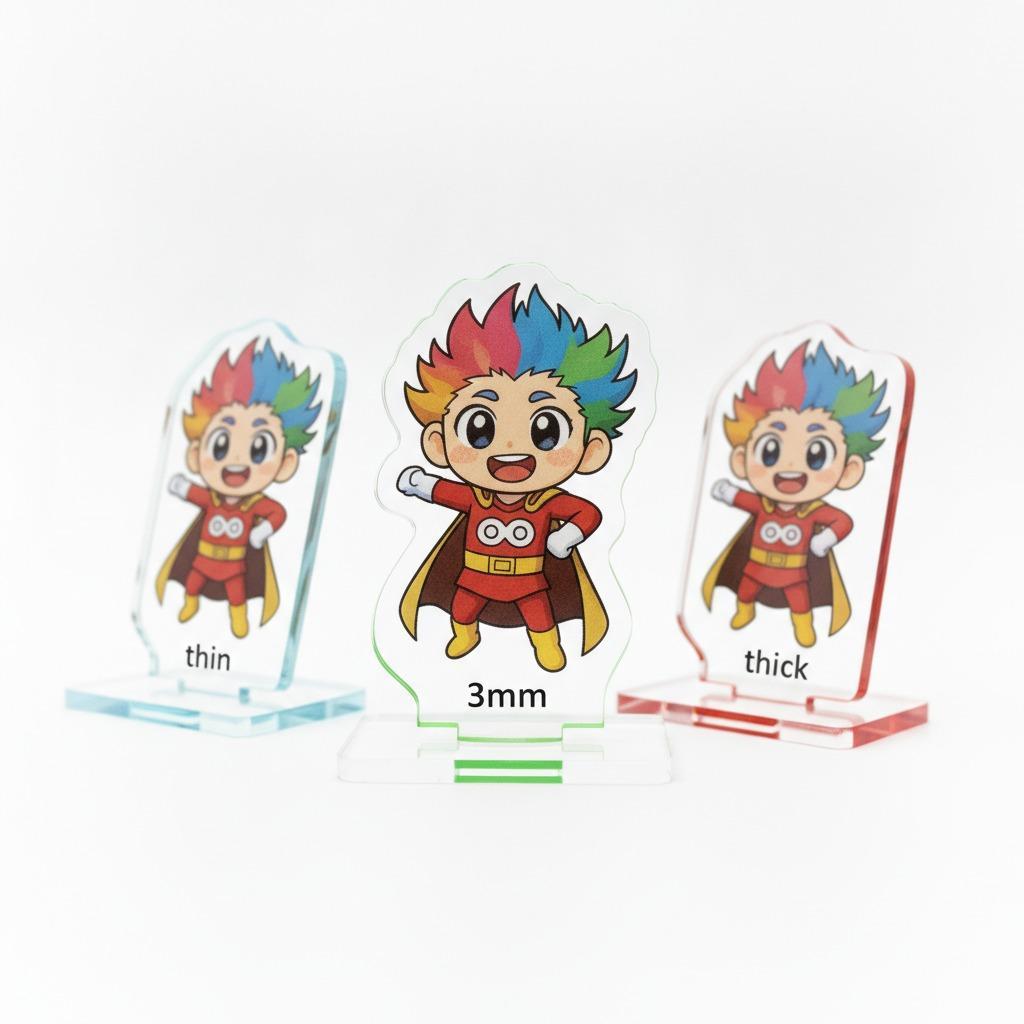
A Custom Acrylic Factory should be comfortable with different panel sizes, branded inserts, and variable artwork across the same order. If the job is for an anime merchandise factory workflow, for example, the pressure point is often not the artwork itself but the number of designs, the need for sharp color, and the demand for repeatable small batches. That requires more than a basic print-and-ship mindset.
Look for production discipline
Visible worktables, organized tooling, and a machine layout that supports operator movement are not cosmetic details. They tell you whether the shop is set up for throughput. A cluttered floor can still produce parts, but it tends to struggle when the order grows or the schedule tightens.
Common mistakes buyers make
The first mistake is assuming all acrylic work is interchangeable. Clear acrylic, colored sheet, decorative panels, and merchandise displays may travel through similar equipment, but they do not always behave the same in printing and finishing. The second mistake is approving a sample without asking how it will be repeated at scale. One good part does not guarantee a stable process.
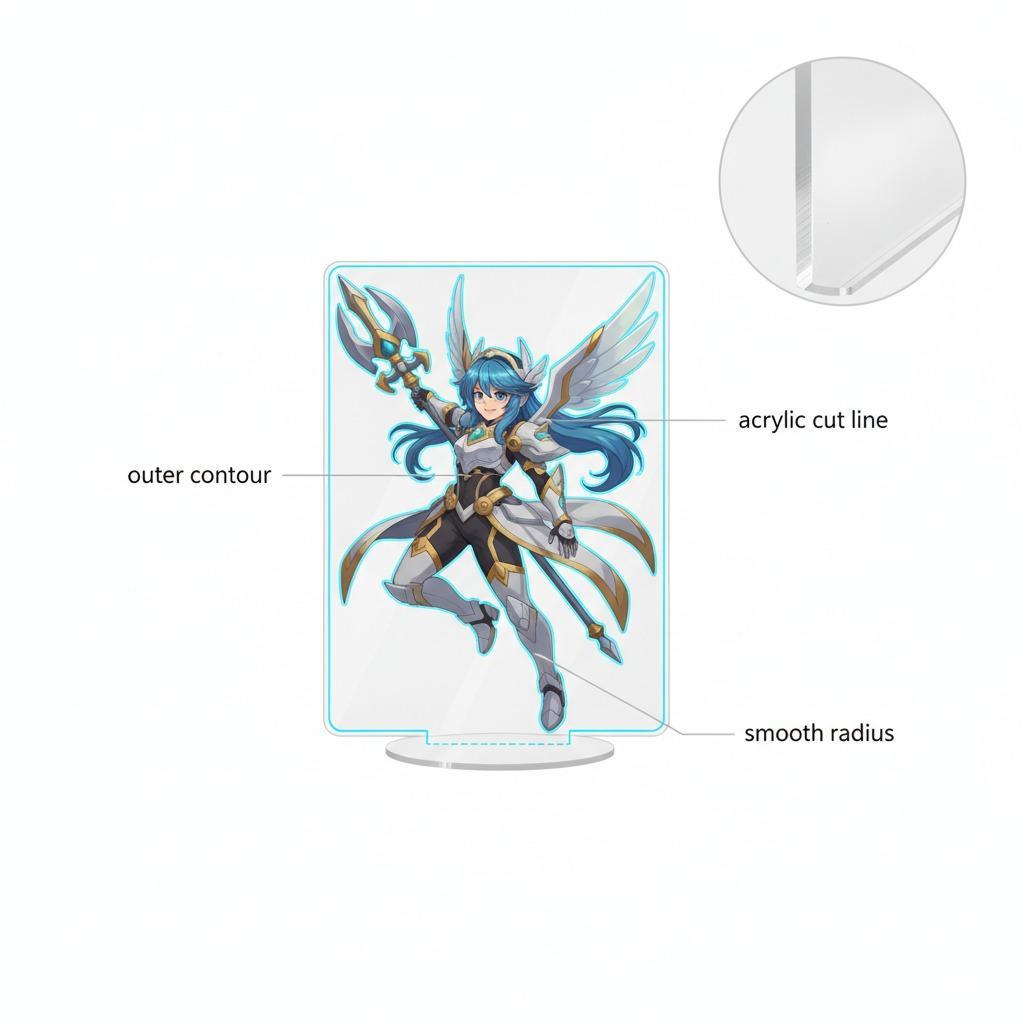
Another common trap is overlooking edge treatment and protection. A printed face can look excellent while the perimeter still carries saw marks, dust, or stress haze. That matters in retail displays and branded parts, where the customer sees the edge up close. It is also easy to forget packaging. Acrylic can arrive perfect and still fail in transit if it is not separated and protected properly.
What this means for sourcing managers
If you are comparing vendors, the strongest signal is a workshop that can talk through both the machine and the workflow. A good OEM Acrylic Manufacturer does not hide behind broad claims. It shows how the print bed is used, how the material is loaded, how curing is handled, and how the team checks consistency before shipment.
For engineering and product teams, that matters because the part is not just decorative. It can be part of a display system, a consumer gift item, a protective cover, or a branded component that must look aligned with the rest of the product line. If the acrylic piece fails, the whole presentation suffers.
Practical buyer advice
Start with the end use. Is the acrylic part meant for display, retail packaging, signage, or merchandise? Then ask the factory to describe the production route in plain language. If they mention direct UV printing on rigid panels, ask where it helps and where it does not. If cutting or routing is involved, ask how they protect the printed surface afterward.
When possible, request a sample that matches the real job size and finish. Small test pieces can hide problems that show up on full sheets. And if the project is time-sensitive, build in at least one review round for artwork, print alignment, and surface finish. That is not overcautious; it is cheaper than rework.
FAQ
Is UV flatbed printing enough for every acrylic project?
No. It is useful for many rigid-surface jobs, but not every part needs or benefits from direct printing. Some projects are better served by other finishing methods, depending on appearance and durability needs.
Can one workshop handle both production and merchandise work?
Yes, if the line is organized for mixed orders. A workshop serving signage, displays, and anime merchandise factory-style batches needs good file control and careful scheduling.
What should I verify first?
Verify the process flow, sample consistency, and how the factory protects finished parts during handling and shipping.
Next step
If you are evaluating an Acrylic Manufacturing Workshop, start by asking for a process explanation tied to your actual product. The right partner will be able to show how its equipment, layout, and workflow support your order without promising more than the process can reliably deliver. That is usually the most useful sign you have found a factory worth working with.