
Why acrylic card packaging gets tricky fast
Acrylic card packaging looks simple on a spec sheet, but anyone who has handled rigid cards, decorative inserts, or premium game sets knows the real problem is keeping the finish clean from the moment it leaves print to the moment a customer opens the pack. A polished surface shows scratches, scuffs, dust, and corner wear immediately. That is why scratch-free acrylic packaging is less about appearance alone and more about protecting value during handling, shipping, and retail display.
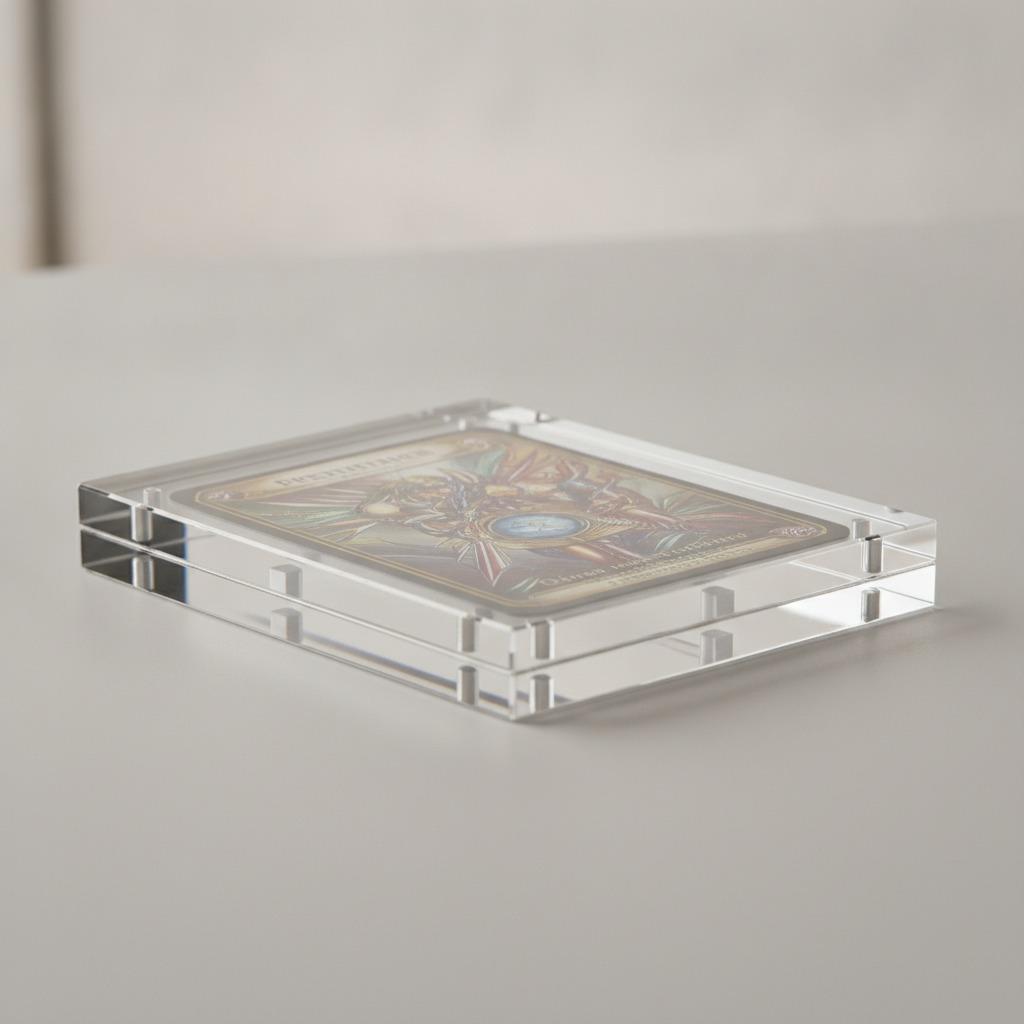
For sourcing managers and product teams, the decision is rarely just “clear box or sleeve.” It is whether the package can protect a glossy printed card, preserve the edge condition, and still present the artwork well enough to sell. In many programs, the packaging becomes part of the product experience. If the card set is premium, the package has to look premium too, or the whole item feels downgraded before it is even opened.
What buyers are usually trying to solve
The most common complaints are familiar: surface scratches from transit, rubbing between stacked units, corner damage from tight cartons, and fingerprints on highly reflective faces. Decorative printed panels and card-sized inserts can be especially vulnerable when the artwork uses metallic effects, glossy ink, or heavy contrast. A tiny mark that would be invisible on plain paper can stand out sharply on a polished acrylic surface.
This is where the packaging format matters. Some buyers need full enclosure. Others can use acrylic card sleeves with a supporting insert. In either case, the goal is the same: prevent movement, prevent abrasion, and avoid packing materials that leave residue or haze behind.
Common package structures and when they make sense
Protective sleeves and individual covers
For high-value cards, a sleeve can be the first line of defense. The advantage is obvious: less direct contact and easier retail handling. The drawback is that sleeves only work well if sizing is consistent. Too loose, and the card shifts. Too tight, and the edges can drag during insertion. That is a small detail that becomes a real production headache at scale.
Retail backing card plus clear front
A retail backing card is often the practical choice when the product needs structure and shelf presence. The backing helps keep the item flat, improves barcode or brand visibility, and can support hanging display formats. For promotional cards or sample cards, this setup can also reduce bending during fulfillment. It is not the most luxurious format, but it is dependable and cost-aware.
Rigid acrylic packs for premium presentation
When the goal is a more premium feel, rigid packaging can better support presentation and protection together. Here, the challenge is not just the shell itself; it is the internal fit, film protection, and how the unit is sealed or stacked. If the acrylic is highly transparent, any trapped dust will be visible. Buyers sometimes overlook that and later wonder why the shelf sample looks tired before it reaches the customer.
Where printing and packaging meet
The production side matters as much as the package format. Decorative card-stock panels, game cards, and custom inserts are often made with flatbed digital printing or UV printing because short runs and variable designs are common. A flatbed setup can print multiple card-sized pieces at once on a vacuum table, which is useful for small-batch work, prototyping, and personalized orders. The output may include ornate borders, metallic-looking details, or glossy effects that raise the visual standard but also increase the need for careful handling.
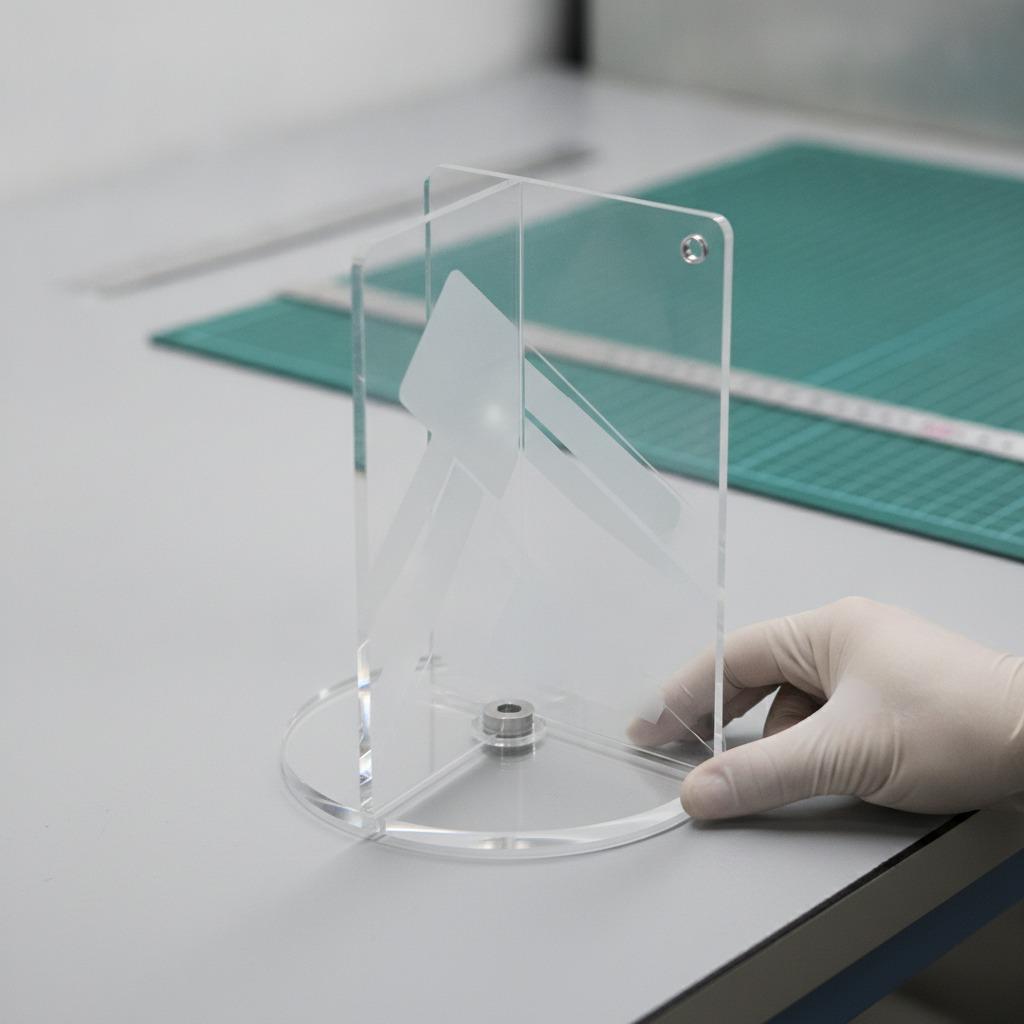
That is why protective film is not a trivial add-on. If the printed face is glossy or speckled, even brief contact with another surface can create visible wear. Protective film can help during packing and assembly, though it has to be chosen and removed carefully so it does not leave marks or slow down the line.
Selection criteria that actually matter
Buyers should look at three things first: how easily the product scratches, how much handling it will see, and whether the package needs to support retail display. After that, compare material clarity, fit consistency, sealing method, and whether the package allows the customer to open it without damaging the contents.
For promotional or sample cards, overengineering the package can waste money. For collectible or gift-oriented sets, underprotecting the product is worse. The right answer often sits in the middle: enough structure to prevent abrasion, but not so much material that the product feels overpacked.
Common mistakes buyers still make
The biggest mistake is assuming a clear package equals safe packaging. It does not. Clarity helps presentation, but it does nothing by itself for edge protection or scratch resistance. Another frequent problem is choosing a sleeve or insert based on prototype fit only, then discovering that the production lot varies slightly in thickness or corner radius.
It is also worth checking compatibility with inks, coatings, and any decorative finish. A package that looks fine in a dry sample test may behave differently after cartons sit in warm storage or are compressed in transit. That is a boring risk until a shipment turns up with scuffed faces and customer complaints.
Practical buyer advice before you place an order
Ask for a pack-out sample, not just a flat sample. Check how the unit behaves when inserted, stacked, shaken, and opened. If the product uses acrylic card packaging for retail, verify whether the package will hold the card steady without marring the surface. If it uses scratch-free acrylic packaging claims, ask what part of that protection comes from the material and what part comes from the protective film or inner wrap.
For short-run custom graphics, make sure the print workflow and package workflow are aligned. A nicely printed card can still fail commercially if the packaging marks it up before sale. That mismatch is more common than people admit.
FAQ
Do acrylic card sleeves replace protective film?
Not always. Sleeves help with handling, but protective film can still be useful during packing, transport, or insertion into a rigid package.
Is a retail backing card necessary?
Not for every product, but it helps when the item needs display support, branding space, or added rigidity.
What should I prioritize for premium card products?
Fit, surface protection, and presentation. If one of those is weak, customers notice quickly.
Next step
If you are sourcing packaging for decorative cards, sample inserts, or short-run premium sets, start by matching the package structure to the product’s finish and handling risk. The best solution is usually the one that protects the surface first and only then tries to look impressive on the shelf.