
Custom Scene Acrylic Standees: What Buyers Should Look For Before Ordering
Custom scene acrylic standees sit in a useful middle ground between simple desk decor and fully developed collectible merchandise. For product teams, sourcing managers, and fan-goods buyers, they solve a familiar problem: how to turn a character illustration, seasonal motif, or event artwork into something that feels durable, compact, and retail-ready without pushing into the cost or bulk of molded goods. A well-made acrylic piece can carry a lot of visual energy. A weak one looks flat, scratches easily, and leaves the artwork doing all the work.
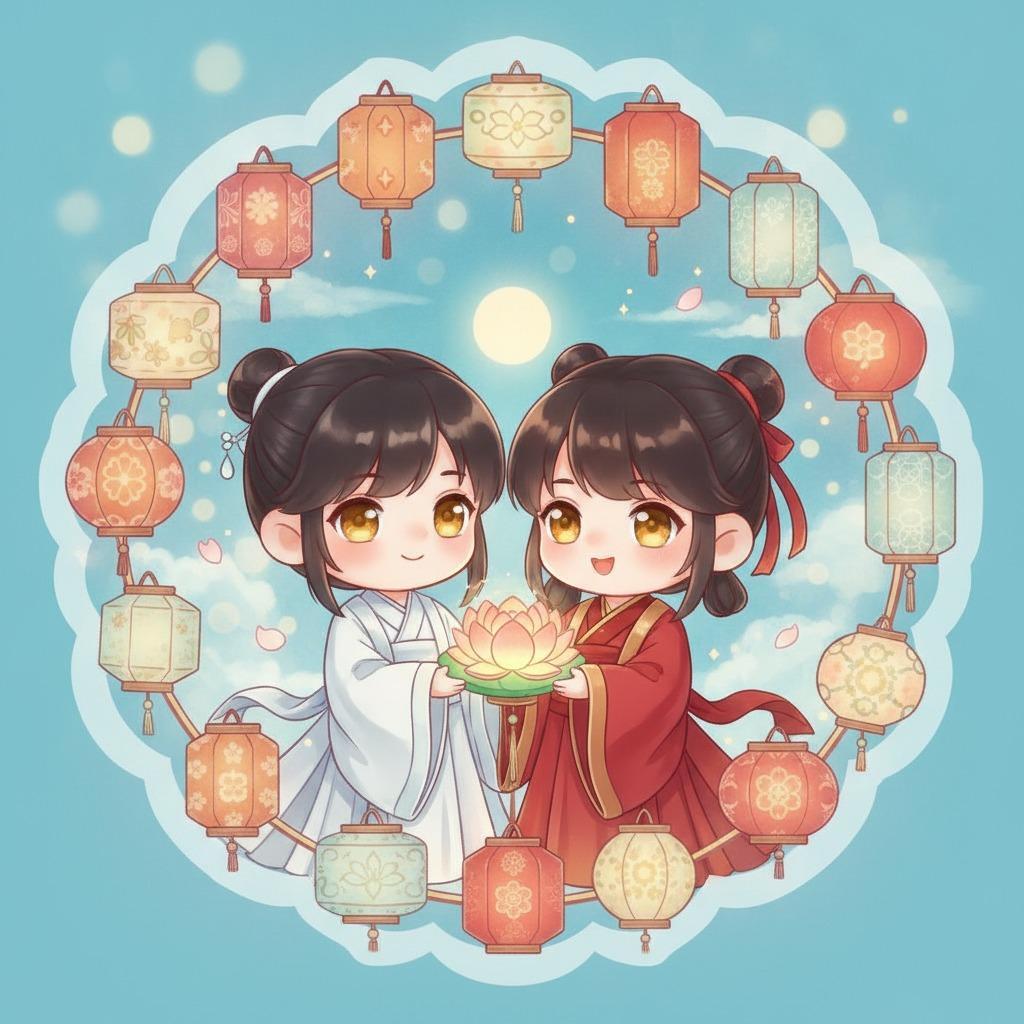
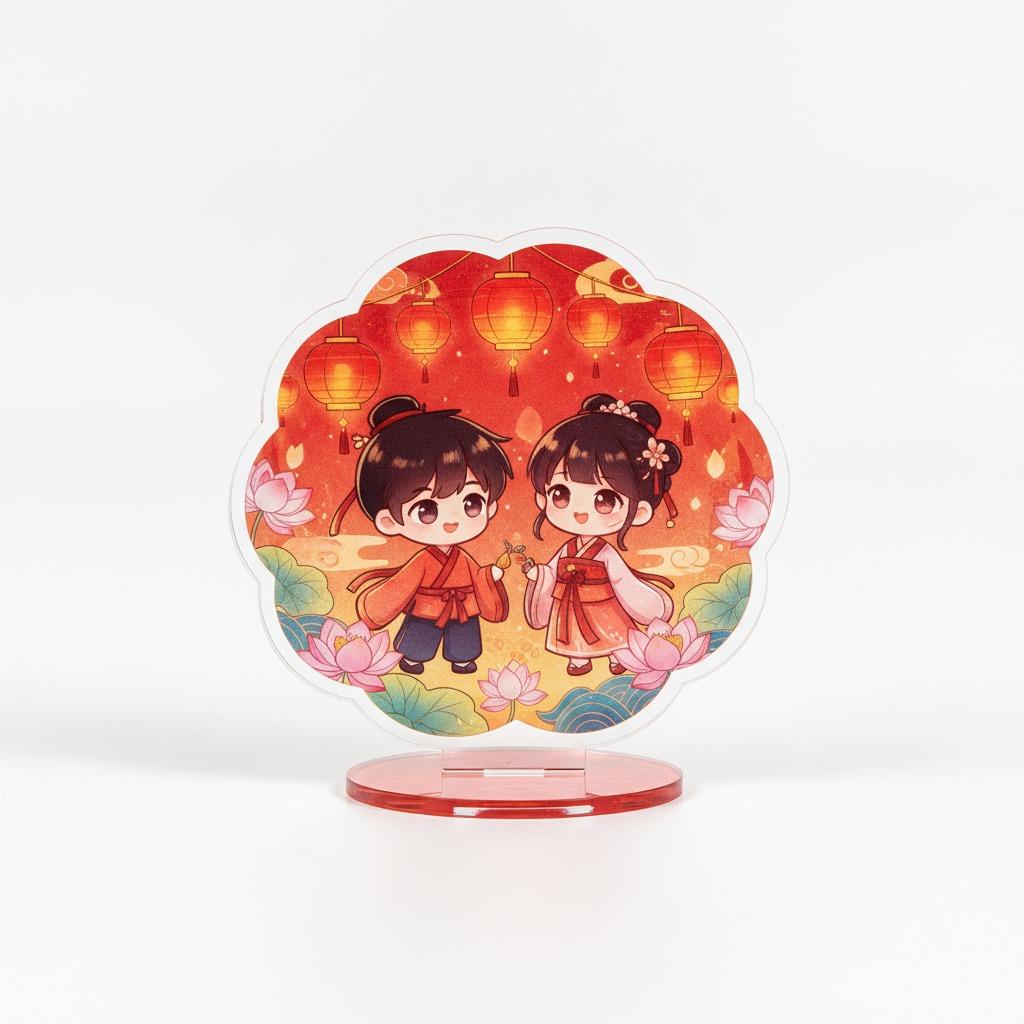
The item described here is a good example of the category. It appears to be a clear or translucent acrylic display piece with a scalloped circular outline, a small bottom tab or base area, and full-color printed artwork on the front. The design uses a festival scene with two chibi-style characters, lanterns, and lotus imagery, which is exactly the kind of visual story that works well on an anime acrylic display. The format is small, decorative, and easy to place on a desk, shelf, or souvenir rack.
Why this format keeps showing up in merchandising
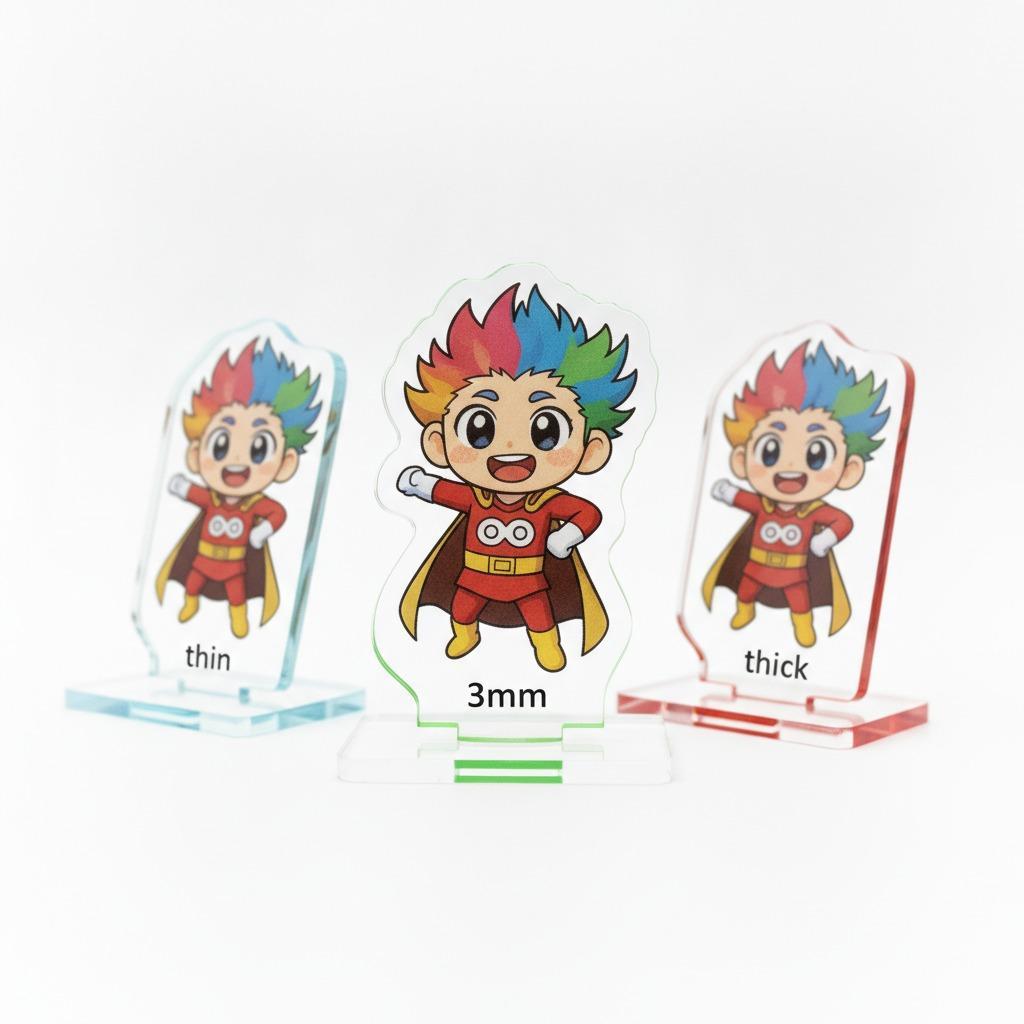
Acrylic has become the default material for a reason. It gives printed art a clean edge, catches light nicely, and can be cut into custom shapes without looking overcomplicated. For buyers, that means a custom shaped acrylic standee can be designed around the artwork rather than forcing the artwork into a standard rectangle. When the outline echoes the scene, the product feels more intentional. A lantern border, scalloped frame, or themed silhouette can do a lot of branding work.
That said, the appeal is not only visual. Acrylic pieces are relatively light, which matters for shipping and retail handling. They also read clearly through a display case or on a crowded shelf, where a paper card or soft packaging insert may disappear. In fan merchandise especially, a printed acrylic stand has a familiar collectible feel. Customers understand the format quickly.
What the visible product details suggest
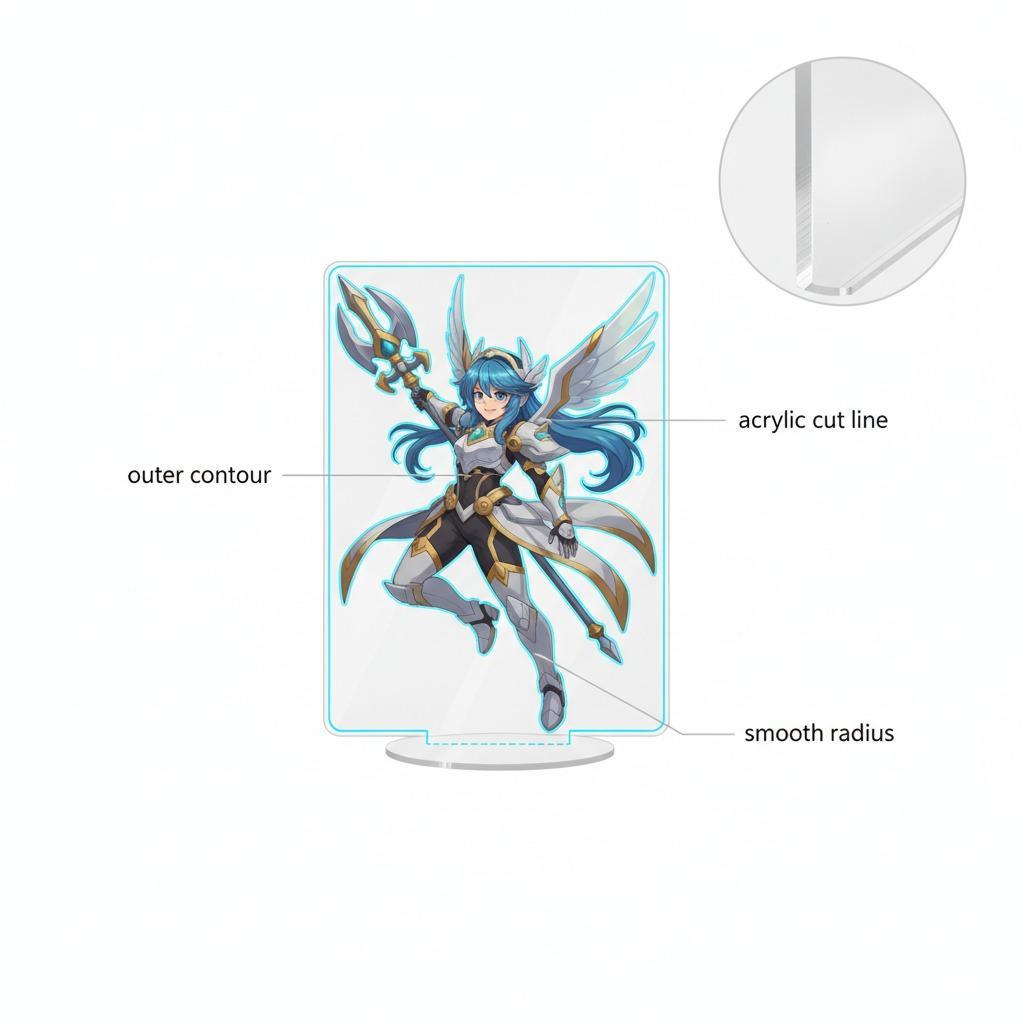
From the available product information, this looks like a laser-cut acrylic display piece with a glossy printed front. The full-surface artwork and layered visual effect suggest UV-style printing or another direct print method, though the exact process cannot be confirmed from the image alone. The clear outline and shaped border give it a more finished look than a plain cutout.
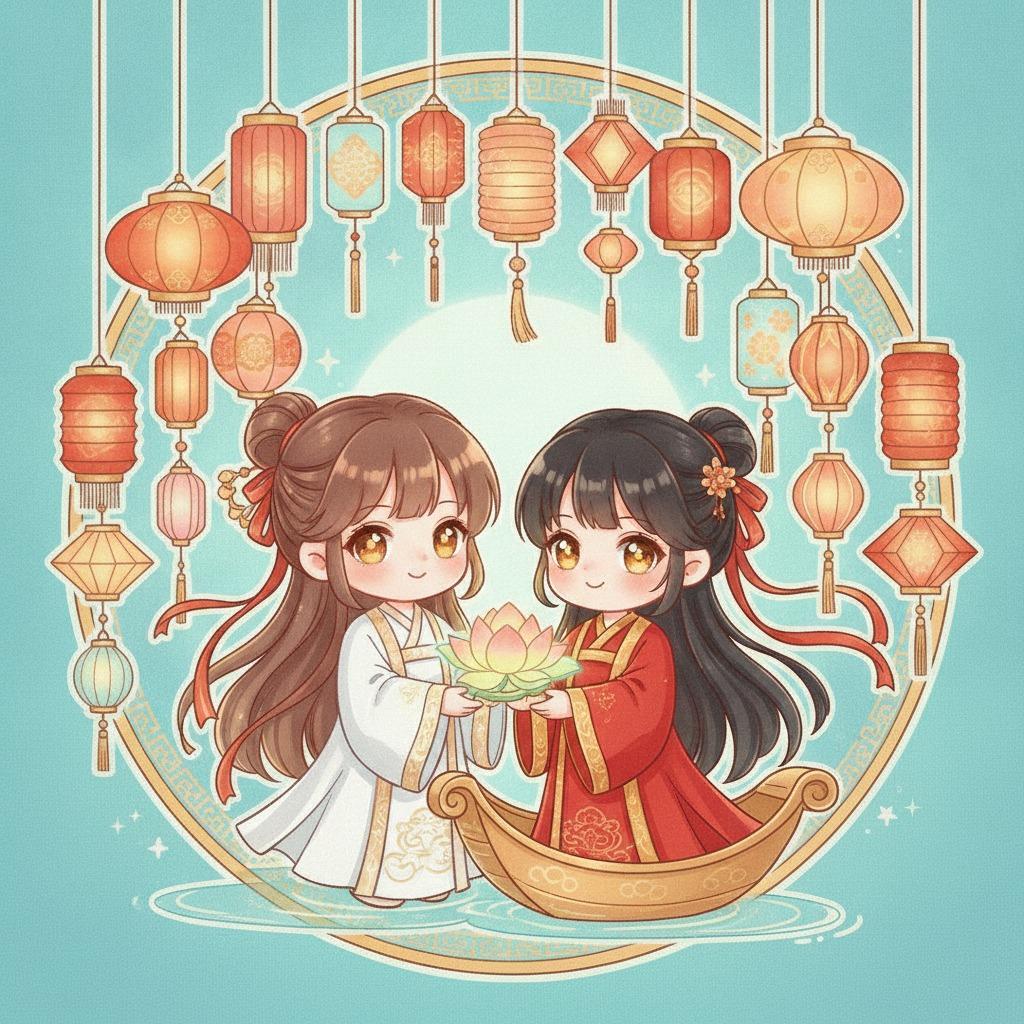
The festival theme also matters. Seasonal products often live or die on detail. Lanterns, traditional clothing, and a symbolic object such as a lotus give the piece context. That context helps the item work not just as decoration, but as a gift item or event souvenir. For buyers sourcing retail souvenirs, that distinction is important. A generic object may sell slowly; a scene with a recognizable celebration can pull a customer in faster.
Selection criteria that actually matter
For custom scene acrylic standees, the usual ordering questions are practical ones.
Artwork fit
The shape should complement the scene. If the design has a circular festival composition, a scalloped or rounded outline makes sense. If the outline fights the image, the product looks accidental.
Print quality
Ask how fine details, skin tones, gradients, and small text will reproduce. Acrylic surfaces can look excellent when the artwork is strong, but weak print control will show quickly in bright colors and thin linework.
Display stability
The product description mentions a small bottom tab or base area, but does not confirm whether a separate stand is included. Buyers should clarify how the item is meant to sit, because a beautiful piece that tips over gets returned or relegated to a drawer.
Surface protection
It is worth asking about protective film, packing method, and scratch risk. Acrylic is attractive, but it also shows handling marks. This is one of those small details that makes the difference between “new item” and “warehouse item.”
Common mistakes buyers make
The most common mistake is treating all acrylic merchandise as interchangeable. It is not. A souvenir piece, an anime acrylic display, and an OEM acrylic standee may use similar materials, but they serve different sales channels and need different levels of finish, packaging, and presentation.
Another mistake is overloading the art with too many tiny elements. Acrylic is best when the composition reads cleanly at arm’s length. If the scene depends on microscopic lines or heavy text blocks, the result can feel busy instead of premium.
A final caution: do not assume single- or double-sided printing unless it is stated. That detail changes both appearance and cost structure, and it can affect whether the artwork looks rich enough from the rear if the piece is displayed in a window or at a counter.
When to choose acrylic over other display merchandise
Choose acrylic when you want something durable-looking, colorful, and compact. It is a strong fit for fan merchandise, festival giveaways, shelf displays, and small retail assortments where visual impact matters more than volume. It is less suitable when the brand story requires soft texture, heavy dimensionality, or a luxury feel that acrylic cannot provide on its own.
For sourcing teams, the decision usually comes down to three things: how the art will be seen, how the item will be packed, and where it will be sold. If those three points are aligned, the format tends to perform well.
Practical buyer advice before you place an order
Ask for a sample image, confirm the cut line against the artwork, and check how the stand will be supported. If the design is for a holiday or festival run, also think about timing. Seasonal products are unforgiving; a late arrival is often a missed season, not a delayed shipment.
If you are developing a series, keep the outline system consistent. That helps the line look intentional on shelf and simplifies repeat ordering. Small differences in base shape, print area, or edge treatment can make a series feel disjointed.
What to request from a supplier
Before approving a custom shaped acrylic standee, request clear confirmation of the following: artwork side, display method, cut profile, print approach, packing style, and whether the design can be repeated across multiple scenes. For OEM acrylic standee programs, consistency matters as much as the individual piece.
If you are building a fan-goods line or a seasonal souvenir program, the next step is usually simple: start with one scene, one shape, and one clear display use. That gives you a cleaner read on color, finish, and shelf appeal before you scale the design into a larger assortment.