
Why the Manufacturer Matters More Than the Keychain
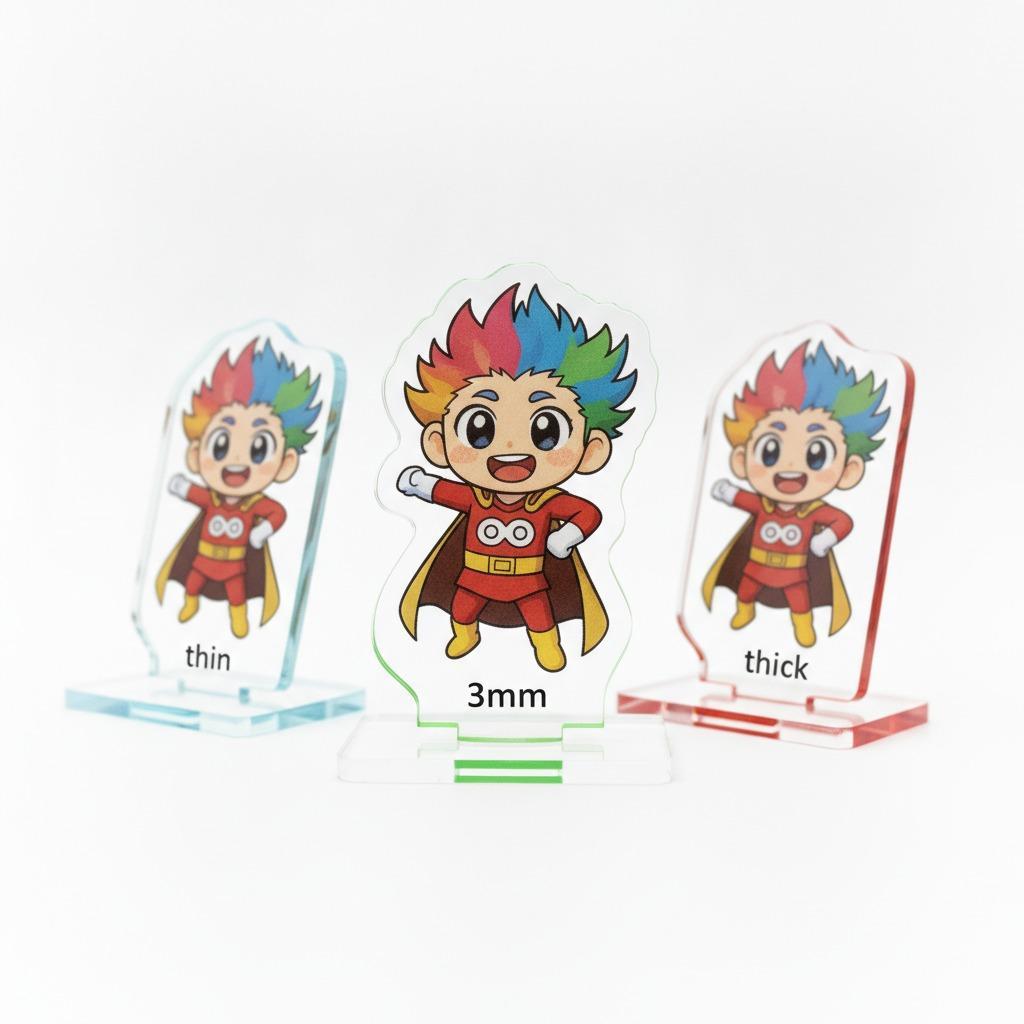
When a buyer searches for a Custom Acrylic Keychain Manufacturer, the real question is usually not whether acrylic keychains can be made. It is whether they can be made cleanly, repeatably, and in a way that reflects the brand on the artwork. A keychain is small, but it is not simple. Edge clarity, print alignment, cut consistency, protective film handling, and packaging all affect how the final piece looks in hand.
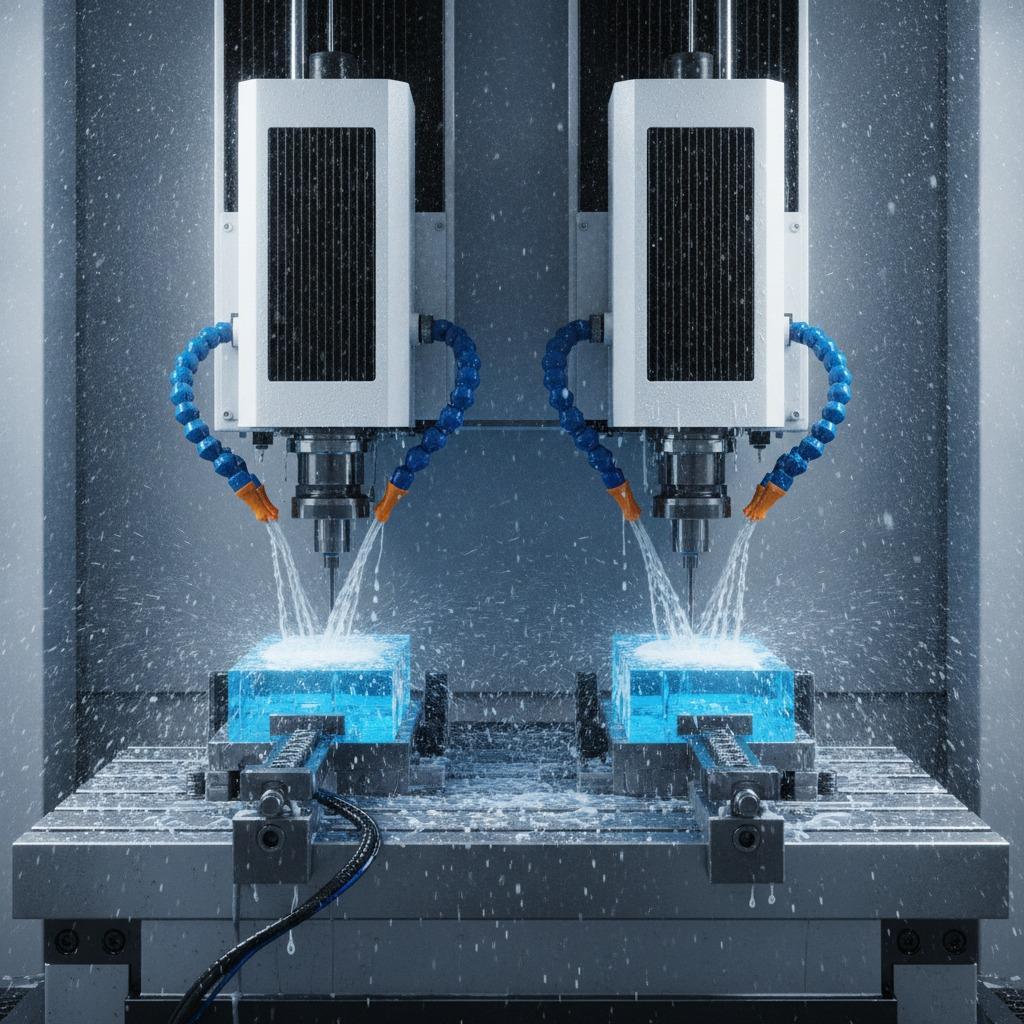
That is why the factory behind the product matters. A supplier with the right sheet-processing setup is usually better positioned to handle acrylic blanks, sample runs, and steady production than a shop that is improvising with general-purpose tools. Large-format flatbed equipment, especially gantry-based systems used for cutting, engraving, or routing flat stock, suggests a workflow built around panel materials such as acrylic, plastic sheet, MDF, and signage parts. For buyers, that usually translates into more control over shape quality and fewer surprises during production.
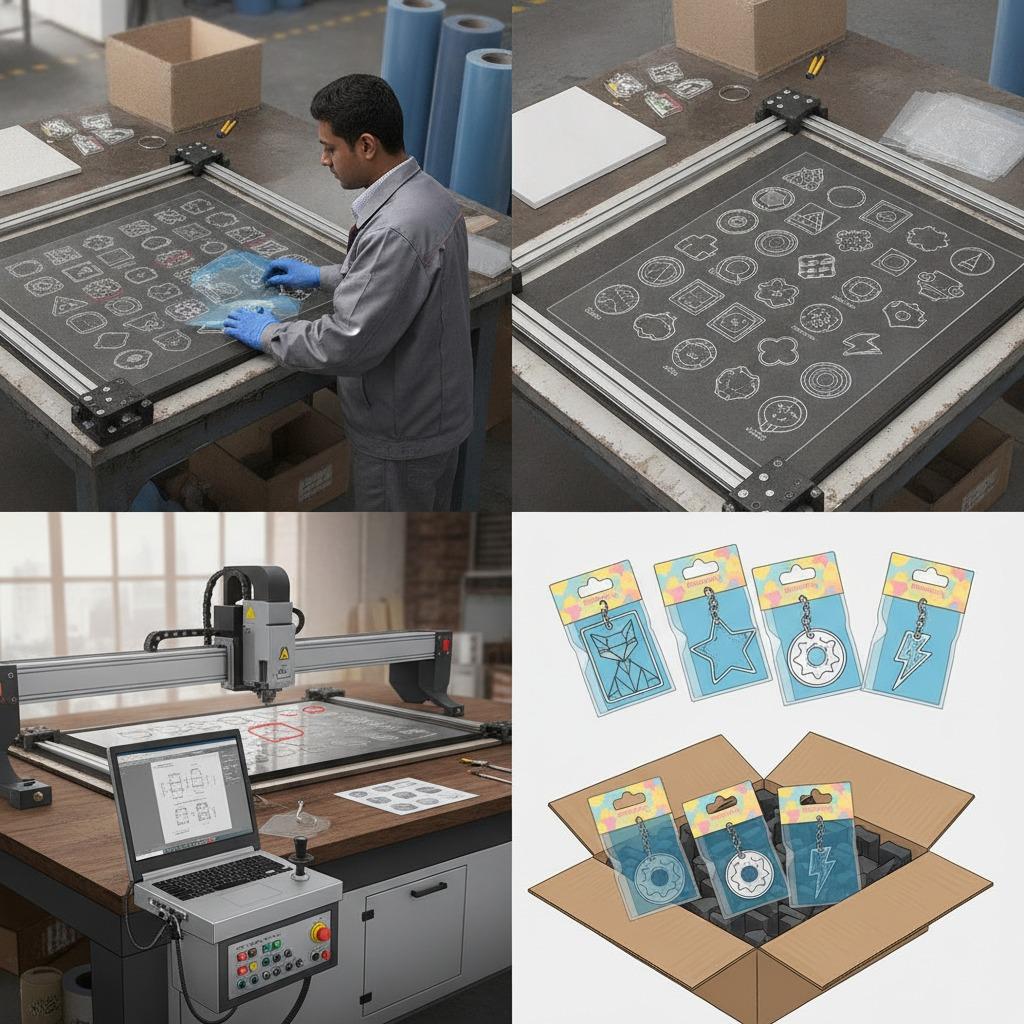
What Buyers Are Really Trying to Solve
Most sourcing teams are not just trying to place an order. They are trying to solve a packaging, merchandising, or brand-gift problem. A good acrylic keychain has to survive shipping, sit well on a retail peg, and look sharp enough that the artwork does the selling. If the supplier mishandles the cut edge or prints off-register, the item can feel cheap even when the design itself is strong.
That is why the best manufacturer is rarely the cheapest one on paper. A better decision is to look for a supplier that can explain how acrylic sheet is processed, how the blank is formed, and how samples are checked before full production. When a factory works from a flat worktable and an automated gantry system, it is often better suited to repeatable sheet cutting and sample making than a shop built around manual finishing alone. That matters when you need the same shape and finish across multiple batches.
What to Look for in a Custom Acrylic Keychain Manufacturer
Production method
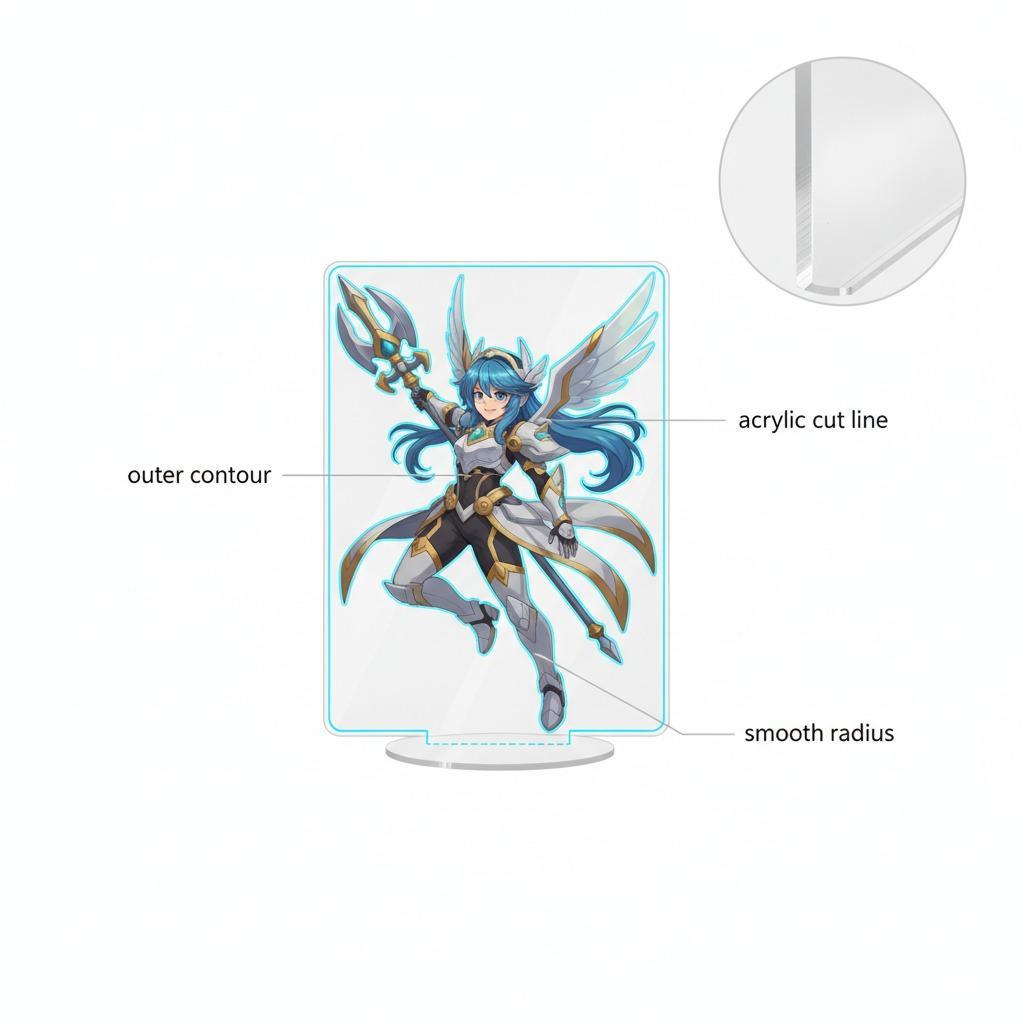
Ask how the keychain is made from sheet stock. A manufacturer that handles acrylic as a flat material, then cuts or engraves it on industrial equipment, will usually have a more stable process than one that treats each piece like a one-off craft job. The goal is not just visual appeal. It is edge quality, dimensional consistency, and the ability to reproduce the same design without drift.
Design handling
Custom acrylic keychains often live or die by the artwork file. Logos with fine lines, small text, or layered color blocks need a supplier who understands what survives at keychain scale. A practical factory will flag overly thin sections, crowded details, or weak attachment points before production starts. That kind of caution saves time later, even if it occasionally forces a design tweak nobody wanted at first.
Material and finish choices
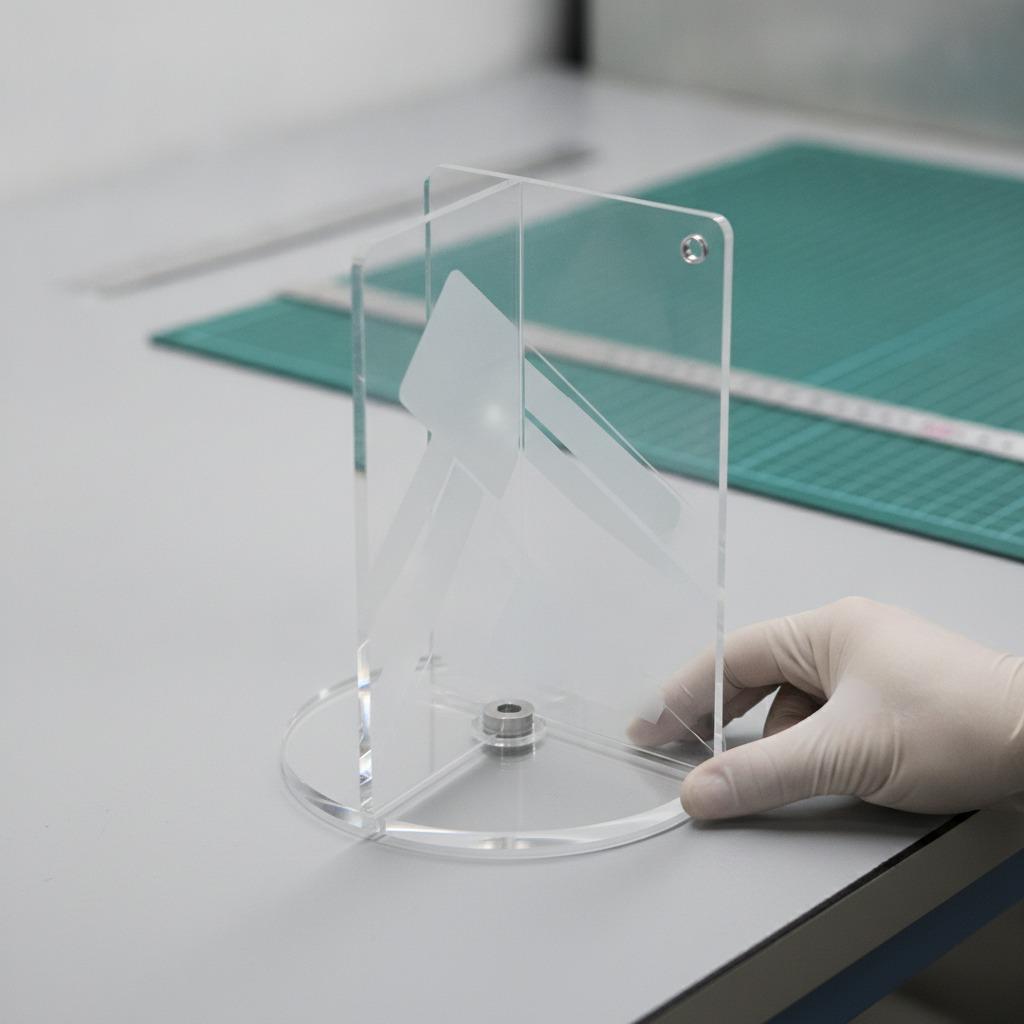
Acrylic is attractive because it is clean, vivid, and light, but it can also show scratches and stress if handled poorly. Buyers should ask about edge finish, surface protection, and how the parts are packed for transport. If a manufacturer also produces signage or other flat-sheet parts, that is often a sign they already understand how to manage sheet materials without cosmetic damage.
Why Sheet-Processing Capability Is a Good Sign
The product information here points to a large-format industrial flatbed machine with a bridge-and-gantry layout, control console, and open-bed table for sheet stock. The exact tooling is not identifiable, so it would be careless to call it a cutter, router, or printer with certainty. Still, the machine layout tells you something useful: the workshop is built to process flat materials at scale.
For acrylic keychains, that matters. A sheet-processing environment usually supports better nesting efficiency, cleaner repeatability, and easier sample development. It also suggests the factory can move between different flat-material jobs, such as signage fabrication, panel trimming, or sample production, which can be helpful when your acrylic keychain order includes unusual shapes or layered parts.
Common Mistakes Buyers Make
The first mistake is choosing a supplier based only on a mockup. A rendered image can look perfect while the physical piece has rough edges or weak connectors. The second mistake is underestimating packaging. Acrylic parts can scratch against one another during transit, and a small packaging change can save a lot of rejected goods later. The third mistake is not asking how the factory handles revisions. If your logo changes after the sample stage, you want a manufacturer that can adapt without turning every edit into a new project.
Another quiet mistake is treating all custom accessory vendors as interchangeable. They are not. A shop that understands flat-sheet fabrication, especially one with industrial gantry equipment and an operator control station built into the line, usually has more process discipline than a purely manual producer. That does not guarantee perfection, but it does improve the odds.
Practical Questions to Ask Before You Order
Ask what types of acrylic sheet the factory regularly handles, how it checks sample quality, and whether it can support small test runs before scaling up. Ask how the edges are finished, how protective layers are applied or removed, and how finished items are packed. If the answer is vague, that is a warning sign. A serious manufacturer can usually explain the workflow without sounding theatrical.
It also helps to ask whether the supplier produces other flat-material parts in-house. A facility that already works with signage, wood, MDF, or panel trimming may have better control over routing, placement, and repeatability. That does not automatically make it the right partner, but it is a useful signal that the operation is not built on shortcuts.
FAQ for Sourcing Teams
Is acrylic a good material for keychains? Yes, when the design is meant to look bright and clean. It is especially useful for brand merch and event giveaways.
Should I choose the lowest quote? Usually not. A low quote can hide weak finishing, poor packing, or a supplier that struggles with repeat orders.
Do I need a factory with special equipment? You need a factory with a stable process for flat materials. Industrial flatbed equipment is often a good sign, especially for custom shapes and sample work.
What a Good Decision Looks Like
The best choice is a Custom Acrylic Keychain Manufacturer that treats the product like a small piece of manufacturing, not a novelty item. That means clear artwork review, careful handling of acrylic sheet, repeatable cutting or engraving workflows, and enough production discipline to keep batches consistent. If a supplier can speak confidently about flat-sheet processing and show that its workshop is built for controlled material work, you are probably looking at a more dependable partner.
For buyers, that is the real advantage. Not just a prettier keychain, but a supplier that can carry the job from sample to shipment without turning every order into a fresh problem.
Next Step
If you are evaluating suppliers now, start with a sample request and ask for a production explanation, not just a quote. The right manufacturer will be able to walk you through the material, the process, and the points where quality can go wrong. That conversation usually tells you more than a catalog ever will.