
Why acrylic card packaging matters more than it looks
Acrylic card packaging sounds simple until a buyer has to choose between a display piece that arrives pristine and one that picks up scratches, corner wear, or dust before it ever reaches the customer. For collectible art cards, trading cards, fandom inserts, and gift items, the package is not just a wrapper. It is part of the product experience, and in many cases it decides whether the item feels premium or merely printed.
That matters especially for visually detailed cards, such as the kind with rounded corners, full-color character art, and ornamental framing. A clean front surface and a polished presentation can lift the perceived value immediately. A scuffed sleeve or a flimsy backing card does the opposite. Buyers in sourcing and product development usually know this already, but it is still common to under-spec the packaging and then pay for it later in returns, rework, or damaged first impressions.
What the packaging is actually trying to protect
The core job is not just to stop physical damage. It is to preserve the visual condition of the card from the factory floor to the retail shelf or final unboxing. For a printed collectible, that means protecting the image surface, the edges, and the corners. Rounded corners help, but they do not eliminate abrasion. In transit, cards rub against each other, against cartons, and sometimes against the package itself.
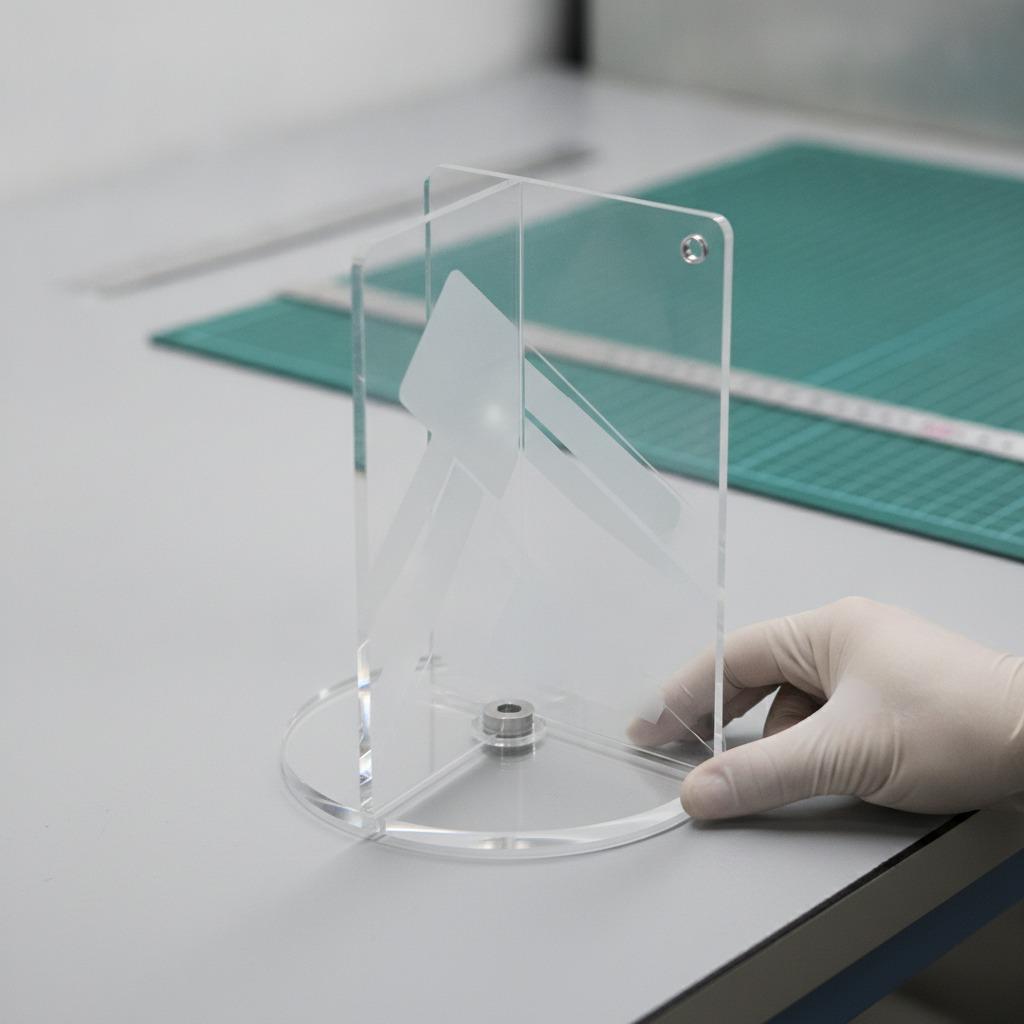
That is why buyers often look at acrylic card packaging alongside scratch-free acrylic packaging features, protective film, and acrylic card sleeves. Each serves a slightly different purpose. A sleeve can reduce surface contact. A protective film can help during handling and assembly. A retail backing card can stiffen the presentation and prevent bending. The package choice should match how the card will be sold and handled, not just how it looks in a sample photo.
Quick comparison: what each format does best
Acrylic card sleeves
These are useful when the card needs basic edge and surface protection with a clean retail look. They are often the first choice for lighter-duty display or merchandising. The caution here is obvious: a sleeve that fits too tightly can create pressure marks, while one that is loose can let the card shift and scuff.
Protective film
Film is helpful during production, packing, and shipping. It is not always meant to be the final customer-facing solution. If the film is difficult to remove, leaves residue, or wrinkles under lighting, the package may feel more frustrating than protective. This is one of those details that sounds minor until a store team or end user complains.
Retail backing card
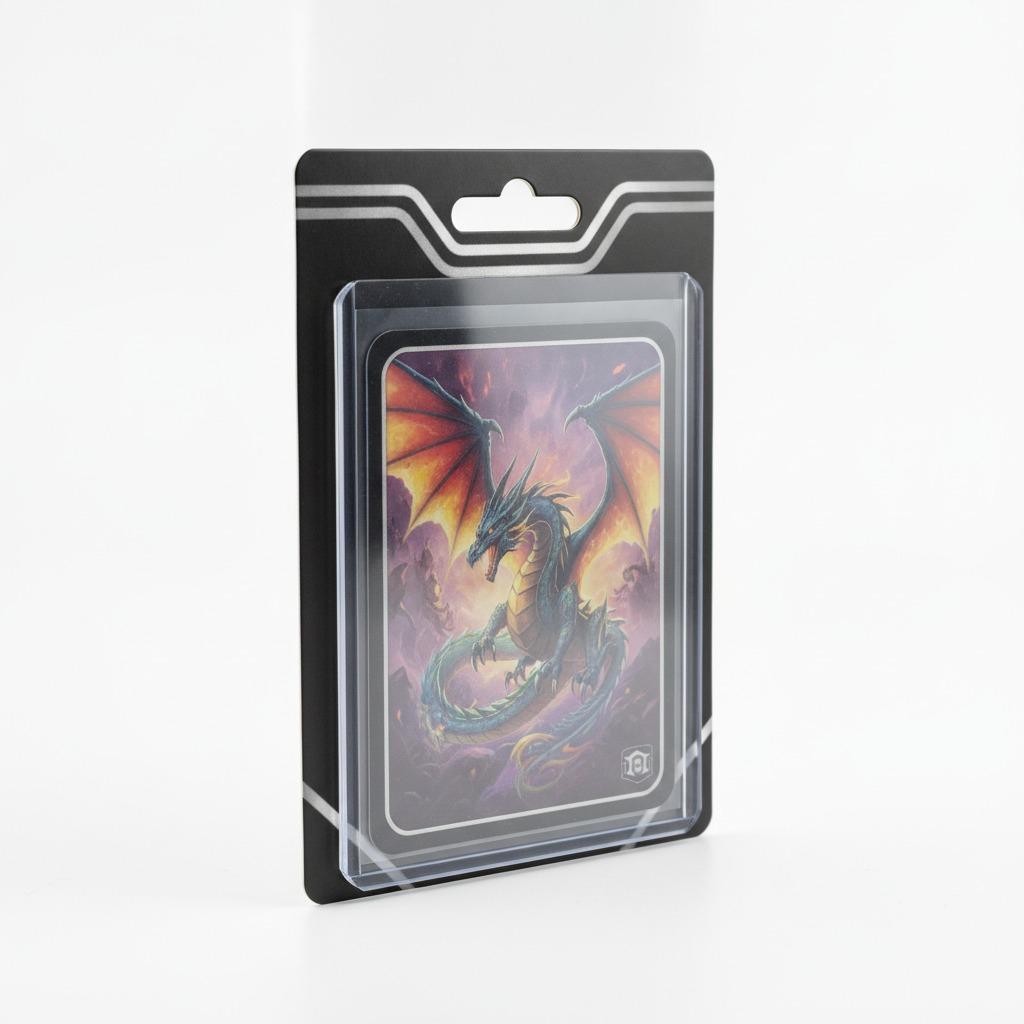
A retail backing card improves rigidity and presentation. For a portrait-format collectible with ornate artwork, the backing also helps the product look intentional rather than loose. It is especially useful when the card is part of a merch display or hung on a retail peg. The tradeoff is added material and assembly complexity, so the design should justify it.
How to choose the right structure
The right packaging depends on three decisions: how the card will be handled, how it will be displayed, and how much premium feel the brand wants to project. If the product is meant for display art, collectability, or gifting, then scratch resistance and visual clarity should come before low-cost minimalism. If the item is mainly an insert or promotional piece, a simpler structure may be enough.
For cards with detailed illustration and decorative borders, clarity matters more than many teams expect. A cloudy material, a textured surface, or an overly reflective finish can obscure the artwork. That is particularly risky when the design uses small linework or metallic-looking accents that rely on clean viewing angles. Packaging should frame the art, not compete with it.
Common mistakes buyers still make
One mistake is assuming all clear packaging performs the same. It does not. Material stiffness, surface finish, and sealing method all affect presentation and protection. Another is skipping handling tests. A package may look excellent in a sample tray and still fail when stacked, sleeved, carton-packed, or opened repeatedly.
Another frequent issue is overprotecting a card in a way that makes it hard to access. Collectors do not like wrestling a piece out of packaging, especially if they are worried about bending a corner. If the product is sold as a keepsake, ease of opening matters almost as much as tamper resistance. That balance is easy to miss in procurement discussions.
What sourcing teams should ask before placing an order
Before committing, ask whether the packaging is meant for shipping, retail display, or long-term storage. Ask how the package interacts with rounded corners and whether there is enough clearance to avoid edge stress. Ask if the visible surface will stay clear under typical store lighting. And ask what happens during packing: is there a protective film, a sleeve, or only a rigid outer structure?
It is also worth confirming the exact appearance of the printed card itself. In the example of a decorative portrait card with gold-accent framing, the art quality is part of the product story. Packaging that dulls that visual effect is a poor trade, even if it saves a small amount on materials.
A practical buyer’s rule of thumb
If the item is collectible, display-oriented, or giftable, choose packaging that supports a clean unboxing and reduces surface damage first. If the item is low-risk and highly cost-sensitive, simplify only after checking that the card can still survive handling without visible wear. In other words, let the product category decide the protection level, not the other way around.
For teams developing or sourcing acrylic card packaging, the smartest move is to define the end-use early, then request samples that simulate real packing and shipping conditions. A good sample should look good, yes, but it should also survive being touched, stacked, and opened without drama.
Next step for product teams
If you are evaluating packaging for a collectible card, art insert, or retail display piece, start with the presentation standard you want the customer to experience and work backward from there. Ask for a sample build that includes the sleeve or backing structure you expect to use, then inspect it under ordinary light for scuffs, glare, and fit. That one check can prevent a surprising amount of trouble later.